


When you're searching for the top rated baby bottles, you'll quickly notice a few names popping up again and again—brands like Lansinoh, Dr. Brown's, and Philips Avent consistently get rave reviews from parents. But the truth is, the "best" bottle is less about the brand name and more about what works for your baby.
The real test of a great bottle is how well it fits into your life. Does it help reduce your baby's fussy, gassy moments? Does it make switching from breast to bottle (and back again) a breeze? And, let's be honest, is it easy to clean when you're fumbling around in the kitchen at 3 AM?
Why Finding the Right Bottle Matters
Welcome to one of the first big decisions you'll make as a new parent! Staring at an entire aisle of baby bottles can feel like a pop quiz you didn't study for, but don't worry. Think of this guide as your friendly roadmap. We're here to cut through the marketing jargon and show you what actually makes a bottle top-rated.

It’s all about finding the right combination of comfort, safety, and features that genuinely make your life easier.
Bottles, bowls, and baby-led picks
Mealtime, simplified
Take 25% off at checkout, applied automatically when you shop through this link.
Shop with READER25 →Free US shipping over $100. Code applies automatically at checkout.
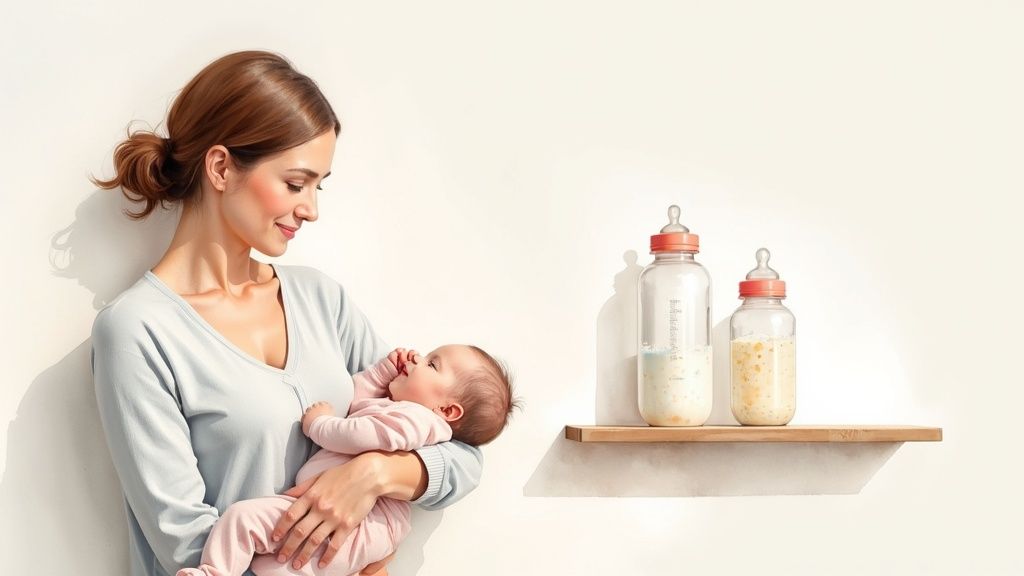
Together, we’ll explore why materials like glass and silicone are winning over so many parents and how clever bottle designs can tackle common feeding troubles like gas and colic. This is your starting point for making a confident choice for your little one, whether you're using formula, pumped milk, or a mix of both.
More Than Just a Container
A baby bottle is so much more than a simple container for milk. It’s a crucial tool that can directly affect your baby’s comfort and, let's face it, your sanity. The wrong bottle might lead to a frustrated baby, painful gassiness, or a flat-out refusal to switch between breast and bottle.
But the right one? It can turn feeding time into a calm, sweet bonding experience for both of you.
This quest for the perfect feeding setup often goes beyond bottles. For many moms who want to breastfeed, unexpected hurdles like soreness can make the experience feel impossible.
A Mom's Success Story: Overcoming Breastfeeding Pain "I was so determined to breastfeed, but the pain was just unbearable," shares Sarah, a new mom. "I honestly felt like I was failing. A friend recommended Moogco Silver Nursing Cups, and they were a total game-changer. They gave me instant relief and helped me heal, so I could finally nurse without wincing. It saved my breastfeeding journey when I was really ready to give up."
Sarah’s story is a powerful reminder of how having the right support system—from the perfect bottle to helpful nursing aids—can create a positive feeding environment. It’s all about building confidence and comfort for you and your baby. For more tips, check out our guide on the best baby products for newborns.
Picks From This Story
Picks related to this guide, ready to ship from Moogco.

momjug breastfeeding water bottle 50oz double-wall s...
$49.99
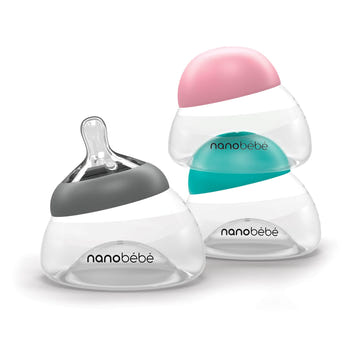
Nanobébé Breastmilk Baby Bottle 5 oz Pack Options Pi...
$16.99
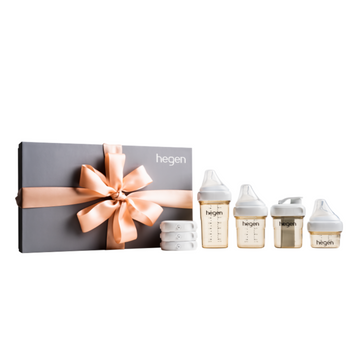
hegen PPSU Essentials Kit 60ml 150ml 240ml baby bottles
$99.99
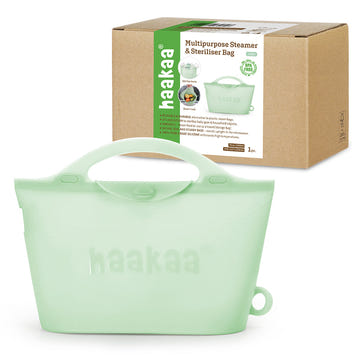
Haakaa Multipurpose Steamer & Sterilizer Bag 3 sizes...
$14.99
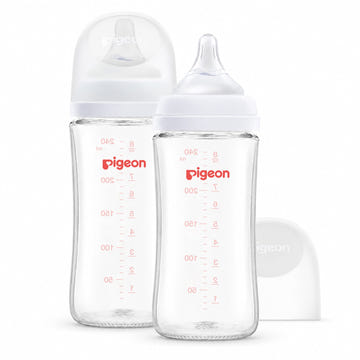
Pigeon Glass Wide Neck Baby Bottle 2-Pack 8.1 oz 3+ ...
$35.99
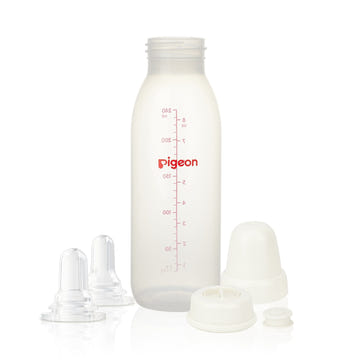
Pigeon Baby Cleft Lip/Palate Bottle 8.11 Oz 2 Nipples
$19.90
What "Top Rated" Really Means for Baby Bottles
When you see a baby bottle labeled "top rated," it’s easy to think of it as just a marketing buzzword. But for parents in the know, it’s a shorthand for a product that truly delivers. A top-rated bottle isn't just a container for milk; it's a well-designed tool that makes feeding time calmer, safer, and a whole lot easier for both you and your baby.
It all starts with what the bottle is made of. Think of it like picking out the right pan for cooking. A sturdy glass bottle is your classic cast-iron skillet—durable, super easy to get squeaky clean, and completely free of any chemical concerns. On the other hand, a soft, squeezable silicone bottle is more like a modern non-stick pan—lightweight, shatterproof, and warm and gentle for tiny hands to hold.
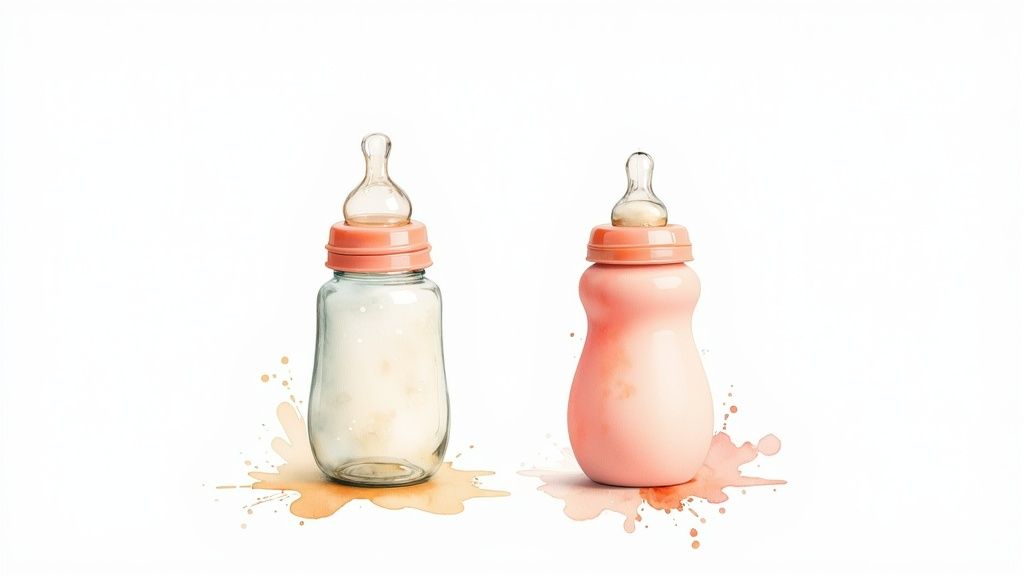
This push for better, safer materials is a huge deal for parents, and it’s completely changing the game. The global baby bottle market is expected to jump from USD 3.84 billion in 2025 to a massive USD 5.89 billion by 2033. While plastic bottles are still common, savvy parents are driving a huge shift toward BPA-free and eco-friendly options. You can dive deeper into this trend over at Straits Research.
Decoding Anti-Colic Technology
One of the biggest reasons a bottle earns that "top rated" badge is its anti-colic technology. So, what is that, really? In simple terms, it's a clever ventilation system designed to stop your baby from swallowing a bunch of air along with their milk.
Less air means less gas, which means a happier, less fussy baby after feeding. It’s a game-changer. Different brands have their own smart solutions for this:
- Internal Vents: Think of the system in Dr. Brown's bottles. A small straw-like tube runs through the middle, whisking air from the nipple straight to the back of the bottle so it never mixes with the milk.
- Nipple Vents: Brands like Philips Avent and Lansinoh often build tiny vents right into the base of the nipple. As your baby drinks, air can escape through these vents instead of going into their tummy.
- Collapsible Liners or Pouches: This is another clever approach. The bottle has a soft liner inside that collapses as your baby drinks, which means no air pockets can form to begin with.
No matter how it works, the mission is always the same: a smooth, vacuum-free feed that feels more like breastfeeding and keeps your little one comfortable.
Finding the Perfect Flow Rate
The other piece of the puzzle is the nipple’s flow rate. This is way more important than it sounds. It’s all about making sure the milk flows at just the right speed for your baby’s age and feeding style.
Think of it like adjusting the nozzle on a garden hose. A newborn needs a slow, gentle trickle, while a hungry 6-month-old can handle a much faster, steadier stream.
Getting the flow right prevents a lot of frustration. Too slow, and your baby will get tired and cranky. Too fast, and they might sputter, choke, or spit up. Most brands label their nipples by age (0m+, 3m+, etc.), but your baby is the real expert here. If they’re sucking so hard the nipple collapses, it’s probably time to size up. If milk is dribbling from their mouth, you’ll want to try a slower flow. A truly great bottle system gives you the options you need to get this just right.
How the Right Support Can Save a Breastfeeding Journey
When you start searching for the perfect baby bottle, you’re usually picturing a smooth, happy feeding experience. But let's be honest, sometimes the real challenges have nothing to do with the bottle itself. For so many families, the toughest hurdles pop up during breastfeeding, which makes finding a great bottle feel that much more critical.
This is where having the right support system comes in—and that includes products designed to make mom feel comfortable, too.
Take it from one mom, Jessica. Her dream of breastfeeding was quickly turning into a nightmare. "I was so excited to nurse my son, but within days, I was in so much pain," she recalls. "Every feeding felt like an eternity, and I was starting to dread it. I felt like a failure and was ready to switch to formula exclusively."
Finding a Simple, Powerful Solution
Just when she was about to throw in the towel, a friend mentioned Moogco Silver Nursing Cups. Jessica was skeptical but also desperate enough to try anything.
The idea behind them is pretty simple: they're small cups made of pure silver that you wear between feedings. They work by soothing and protecting sore, cracked nipples, letting the natural antimicrobial and anti-inflammatory properties of silver create the perfect little healing environment.
"I honestly couldn't believe it," Jessica says. "Within 24 hours, the relief was incredible. The cups protected me from friction and gave my body a chance to heal naturally. It was the turning point that allowed me to continue my breastfeeding journey, pain-free."
Jessica's experience gets at a huge truth for parents: a successful feeding routine is about more than just the bottle. It’s about building a whole ecosystem of support, with tools that help both mom and baby feel comfortable and confident.
The Bigger Picture in Feeding Success
Jessica’s story is a powerful reminder that a little perseverance, paired with the right tools, can make all the difference. While finding the right bottle is a big piece of the puzzle, it's just as important to address the root causes of feeding stress.
Once she could breastfeed without pain, introducing a bottle for pumped milk became a much calmer, less frantic process. She could take her time finding one her son liked without feeling the pressure to give up on breastfeeding altogether.
If you’re facing similar struggles, please know you’re not alone. What looks like a "bottle problem" can often be a sign that you need a bit more support in another part of your feeding journey. For parents trying to figure out this transition, learning how to handle things like bottle refusal is key. You can find some great strategies in our guide on navigating bottle refusal for breastfeeding mothers.
More Related Picks
A few more favorites from the same collection.
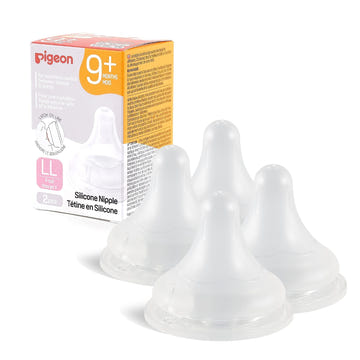
Silicone Nipple (LL), 9+ Months
$21.99
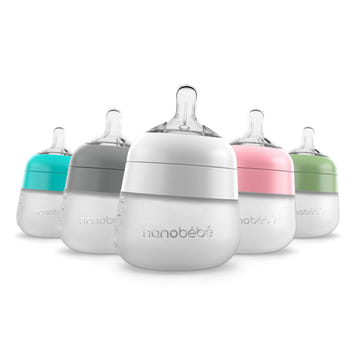
Nanobébé Flexy Silicone Baby Bottle 5oz
$16.99

Nanobébé Silicone Anti-Colic Baby Bottle Nipples Gen...
$5.99
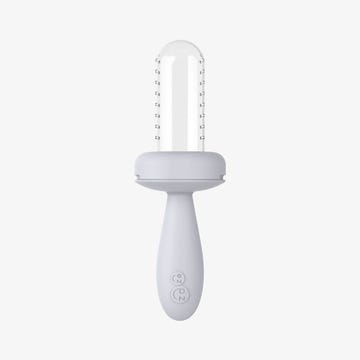
ezpz Baby-Led Gumline Feeder silicone pouch for baby...
$13.99
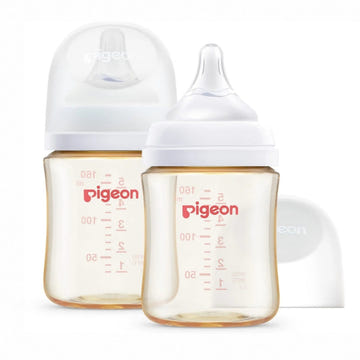
Pigeon PPSU Wide Neck Baby Bottle 2 Pack 5.4 oz Newborn
$34.99
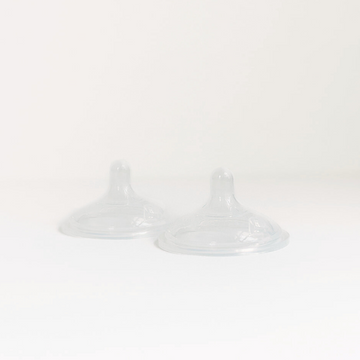
Mason Bottle Silicone Nipples 2 Pack Regular-Mouth B...
$12.99
Matching the Perfect Bottle to Your Baby’s Needs
Every baby is their own little person, and that definitely includes their preferences at feeding time. This is why looking for top-rated baby bottles isn't about finding one universally "best" option. It’s about becoming a matchmaker for your baby’s unique situation.
Think of it like shopping for shoes—a marathon runner and a ballerina have completely different needs. In the same way, the perfect bottle for a breastfed newborn won’t be the right fit for a hungry, formula-fed six-month-old. Your goal is to line up the bottle’s features with your family's feeding journey.
For the Breastfed Baby
If you're planning to switch between breast and bottle, the name of the game is making that transition as smooth as possible. You'll want to look for a bottle with a wide, soft, breast-like nipple and a very slow flow rate.
This design encourages your baby to latch on deeply, just like they do when nursing. It also helps prevent "flow preference," where a baby starts to prefer the faster, easier flow from a bottle over the breast.
- Key Feature: A wide base and a gradually sloped nipple are your best friends here, as they promote that all-important wide latch.
- Ideal Material: Soft silicone bottles, which warm up to the touch, can feel more familiar and comforting to a baby who is used to nursing.
For the Gassy or Colicky Baby
For little ones who struggle with gas, fussiness, or reflux after feeding, a good anti-colic venting system is a must-have. These systems are specifically designed to channel air away from the milk, which means your baby swallows less of it. Dr. Brown’s bottles are practically famous for their internal vent systems, which many parents find incredibly effective at reducing that post-meal discomfort.
When Breastfeeding Support is the Real Issue
Sometimes, the frantic search for the right bottle is actually a symptom of another problem: a tough breastfeeding journey. When nursing is painful or challenging, it can put a ton of pressure on finding a bottle that works. But addressing the root cause can change everything.
This is where tools designed to support the mother are just as critical as the bottle itself.
This decision tree shows a common crossroads for nursing moms who are dealing with pain.
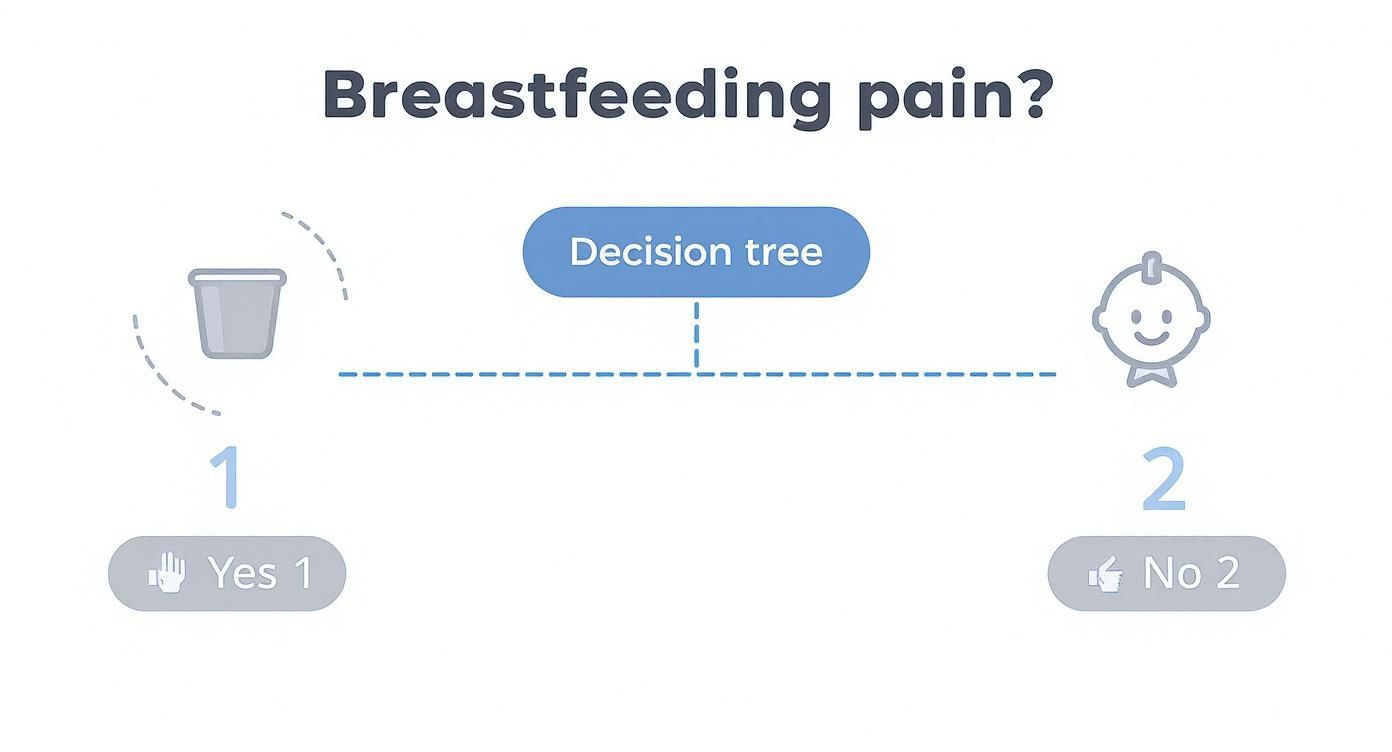
As you can see, getting the right support can lead to a much happier feeding experience for everyone involved.
One Mom's Story: The Power of the Right Tool "I was struggling with so much pain while breastfeeding my daughter, and the stress was making bottle introduction a nightmare," says Emily, a new mom. "On a friend's advice, I tried Moogco Silver Nursing Cups. The relief was almost immediate. They allowed me to heal and continue nursing comfortably, which took all the pressure off finding a bottle. It saved my journey."
Matching Bottles to Growth Stages
As your baby gets bigger, their feeding needs are going to change right along with them. Premature babies, for example, often need specialized, extra-slow-flow nipples to feed safely. On the other hand, older, hungrier babies and toddlers will graduate to larger, more durable bottles, and they'll likely need faster flow rates or even sippy cup tops.
Baby Bottle Feature Comparison for Different Needs
To make things a little clearer, here’s a quick-glance table to help you connect your baby’s needs with the right bottle features.
| Feeding Situation | Recommended Nipple Type | Key Bottle Feature | Ideal Material |
|---|---|---|---|
| Breastfed Baby | Wide, soft, breast-shaped; slow flow | Gradual slope to encourage a deep latch | Soft silicone |
| Gassy/Colicky Baby | Any type | Internal vent or anti-colic valve system | Glass or BPA-free plastic |
| Formula-Fed Baby | Standard or wide neck; varies by preference | Easy-to-read ounce markings for precise mixing | Glass or durable plastic |
| Premature Baby | Preemie-specific; extra-slow flow | Smaller size (2-4 oz) for tiny appetites | Hospital-grade plastic or glass |
| Independent Toddler | Fast-flow or sippy spout | Handles, durable construction, spill-proof lid | Stainless steel or durable plastic |
Finding the right bottle is all about being a good detective and observing your baby’s cues. What works wonders for one might not work for another, and that’s perfectly normal.
The baby bottle market is always bringing out new ideas to meet these different needs. You'll see everything from smart bottles that track feeding to designs that mimic the breast more closely than ever. This trend is driven by parents like you who want safe, convenient products that are just right for their families.
Ultimately, the goal is to find the right tool for the job. By understanding your baby, you can confidently choose a bottle that makes feeding time a happy, stress-free experience. For a complete look at all the gear you might need, check out our guide on the best baby feeding supplies.
Alright, let's put it all together and find that perfect bottle for your little one. Think of this as your final, simple gut-check before you hit "buy" or head to the checkout aisle.
No more guesswork. We’re going to walk through a few key questions to make sure the bottle you choose is a winner for both you and your baby.
Finding the top rated baby bottles shouldn't be stressful. This is all about making feeding time a calm, happy experience for everyone involved.
Key Questions to Ask Before You Buy
Run any bottle you're considering through these quick questions. It’ll help you see if it truly fits your family’s needs, from your baby’s feeding style to your daily routine.
- Is it easy to clean? Seriously, think about 2 AM feedings. A wide-neck bottle with just three or four simple parts (the bottle itself, the nipple, and the collar) is a lifesaver. Bottles with tons of tiny, complex pieces can become a real headache to scrub.
- Am I comfortable with the material? Whether you lean toward glass, silicone, or BPA-free plastic, go with what gives you peace of mind. Each has its own benefits, and there’s no single "right" answer—just what's right for you.
- Can it grow with my baby? Check if the brand sells nipples with different flow rates. You'll want a slow flow for a newborn and faster options as your baby gets older and becomes a more efficient eater. This saves you from having to buy a whole new set of bottles down the road.
Your baby is the ultimate reviewer. I always tell new parents to buy just one bottle from a couple of different brands to start. Let your little one be the tie-breaker before you commit to a full set.
Final Checks for a Happy Feeder
A few last-minute details can make a world of difference in your day-to-day life.
For example, how are you planning to warm up milk? Some of the more uniquely shaped bottles on the market don't actually fit into standard warmers—a frustrating discovery you don’t want to make when you have a hungry baby. If you're on the fence, our guide on whether you need a bottle warmer can help you sort that out.
And finally, does it have proven anti-colic features? Look for bottles with vents built into the nipple or a special internal system. These are designed to keep your baby from swallowing extra air, which often means less gas and fussiness later. A win-win for everyone
Putting It All Together: Choosing Your Bottle with Confidence
Alright, you’ve done the hard work. You’ve explored what makes a bottle "top-rated," dug into the nitty-gritty of features, and seen how the right bottle can make all the difference for a real family. The goal now isn't to feel overwhelmed by all the options, but to feel empowered.
When it comes down to it, picking from the best baby bottles is all about finding the perfect match for your family. The "best" bottle on the market is simply the one that makes feeding time a calm, happy experience for you and your little one. Don’t be afraid to try one or two different kinds before buying a whole set!
Trust Your Gut
As you narrow down your choices, let these simple ideas be your guide:
- Safety Above All: Stick with bottles made from safe, BPA-free materials. Glass, silicone, and high-quality plastics are all excellent choices.
- Match the Mission: Think about your baby's unique needs. A breastfed baby might need a different nipple shape than a formula-fed one, and a gassy baby will thank you for good anti-colic tech.
- Keep It Simple: You'll be washing these bottles a lot. A bottle that’s a breeze to assemble and clean will be your best friend during those 3 a.m. feedings.
It's clear that parents everywhere are prioritizing these features. The demand for safer, more effective baby bottles is booming, with the global market projected to grow from USD 4.6 billion in 2025 to USD 7.2 billion by 2035. This huge jump is all thanks to parents like you pushing for innovation in materials like glass, silicone, and stainless steel. If you're interested, you can read more about these baby bottle market trends.
Ultimately, feeding is a journey of discovery. You now have everything you need to navigate the choices and pick the perfect bottle for your baby with total confidence.
Frequently Asked Questions About Baby Bottles
Diving into the world of top rated baby bottles can bring up a lot of questions. We get it! Here are some straightforward answers to the things we hear most often from new parents trying to figure it all out.
How Many Baby Bottles Do I Really Need?
For most families, starting with four to six bottles is a pretty solid game plan. This magic number usually means you have a clean one ready to go while a few others are in the sink or dishwasher, saving you from a middle-of-the-night washing panic.
If you’re planning to exclusively bottle-feed, you might want to bump that number up to eight or even ten just to make life a little easier.
Here's a little trick seasoned parents swear by: before you go all-in on one brand, just buy a single bottle from a couple of different types you're considering. Your baby will be the ultimate judge, and you can stock up once you know what they like.
When Should I Switch to a Faster Nipple Flow?
Honestly, your baby will tell you exactly when it's time. You just have to learn to spot the signs.
Is your little one suddenly taking forever to finish a bottle? Or are they getting fussy, frustrated, and pulling away during feedings? Those are classic "I'm working too hard for this milk!" signals. It's probably time to size up.
On the flip side, if you see milk spilling out of their mouth or hear them coughing and gulping, the flow is likely too fast for them. Don't worry too much about the age ranges on the packaging—they're just a suggestion. Your baby's cues are always the most important guide.
What Is the Safest Material for a Baby Bottle?
You can breathe easy knowing that any new bottle you buy in the U.S. or Europe is required to be BPA-free and pass some pretty tough safety checks.
Many parents lean toward glass because it’s completely free of plastics, super easy to get squeaky clean, and won't hold onto any odors or tastes. Food-grade silicone and stainless steel are also fantastic, totally safe options. While modern BPA-free plastic is safe, opting for glass or silicone is a simple way to put any worries about chemicals to rest.
What Is the Best Way to Clean and Sterilize Bottles?
For everyday washing, nothing beats good old hot, soapy water. Use a dedicated bottle brush to get into all the nooks and crannies of the bottle, nipple, and ring, then give everything a thorough rinse.
For a more in-depth clean, you can check out our guide on the easy methods for sterilizing baby bottles and pacifiers.
As a rule of thumb, experts suggest sterilizing bottles at least once a day for babies under three months, preemies, or any little one with a delicate immune system.
At Moogco Baby, we're here to make your feeding journey a little bit smoother. We’ve carefully chosen products that put your baby's safety and comfort first, so you can have one less thing to worry about. Take a look through our collection to find the perfect bottle for you and your little one. https://www.moogcobaby.com
Bring this guide home with 25% off.
Use code READER25 for 25% off →
Frequently Asked Questions
Can I Mix Breast Milk and Formula in the Same Bottle?
Yes, you can safely mix breast milk and formula in the same bottle, but it's best to prepare the formula first according to package directions, then add your pumped breast milk. This way, if your baby doesn't finish the bottle, you won't waste precious breast milk. Just remember to use the mixture within two hours at room temperature or refrigerate it promptly and use within 24 hours.
Why Does My Baby Keep Rejecting the Bottle?
Bottle rejection is super common, especially if your baby is used to breastfeeding. The nipple might feel too different, the flow rate could be wrong, or your baby might simply prefer the warmth and closeness of nursing. Try having someone else offer the bottle when you're out of the room, experiment with different nipple shapes and flows, and make sure the milk is body temperature. Patience and consistency are key here.
How Do I Know If My Baby Has Colic or Just Normal Gas?
Colic is typically defined as crying for three or more hours a day, three or more days a week, often in the evening, and it usually peaks around six weeks. Normal gas might make your baby fussy for shorter periods and usually improves after burping or passing gas. If your baby seems inconsolable despite feeding, burping, and diaper changes, and the crying feels extreme, chat with your pediatrician to rule out colic or other issues.
Is It Safe to Reheat a Bottle My Baby Didn't Finish?
No, once your baby has started drinking from a bottle, bacteria from their mouth mixes with the milk, and it's no longer safe to save or reheat. You should discard any unfinished milk within one to two hours of starting the feeding. It feels wasteful, we know, but it's the safest approach to protect your little one from potential tummy troubles or infections.
Do Glass Bottles Really Make a Difference for My Baby?
Glass bottles don't necessarily change how your baby feeds, but they do offer peace of mind for many parents because they're completely free of plastics and chemicals like BPA. They're also incredibly easy to sterilize, don't retain odors or stains, and last forever if you don't drop them. The main trade-off is weight and breakability, so many families use glass at home and save lightweight bottles for travel.
Can I Use the Same Bottle for Breast Milk and Formula?
Absolutely! As long as you wash the bottle thoroughly between uses, you can use the same bottle for both breast milk and formula. Just make sure to give it a good scrub with hot, soapy water and a bottle brush, or run it through the dishwasher. Some parents like to have dedicated bottles for each to avoid any lingering tastes, but it's totally a personal preference.
What Should I Do If My Baby Seems Gassy Even with an Anti-Colic Bottle?
Even the best anti-colic bottles can't solve every gas issue, because sometimes the problem is related to your baby's digestion, feeding position, or even a sensitivity to formula or something in your diet if you're breastfeeding. Make sure you're burping frequently during and after feeds, hold your baby upright for a bit after eating, and check that the nipple isn't flowing too fast. If the gassiness continues or seems severe, reach out to your pediatrician.
When Is It Time to Transition from Bottle to Sippy Cup?
Most pediatricians recommend starting to introduce a sippy cup or open cup around six months, and aiming to wean off bottles completely by 12 to 18 months. Prolonged bottle use, especially at bedtime, can lead to tooth decay and make the transition harder later on. Start slow by offering a cup with meals or snacks, and let your baby explore it at their own pace. It's a gradual process, and every baby is different.
From Moogco Studio
Printable and personalized nursery essentials. Designed by moms for moms.


About the Editor
Eda Ulger is the editor at Moogco Baby and a mom of two. She curates and edits our guides so every piece is honest, practical, and genuinely helpful for the early days of motherhood.
Shop This Story
Picks related to this guide, ready to ship from Moogco.
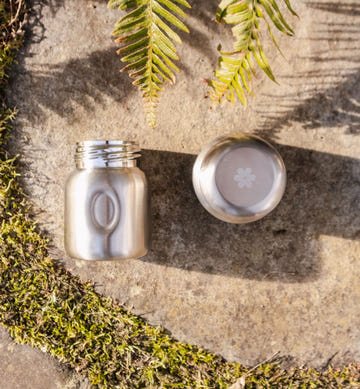
better baby care Better Baby Bottle Pair Plastic-free
$45.00
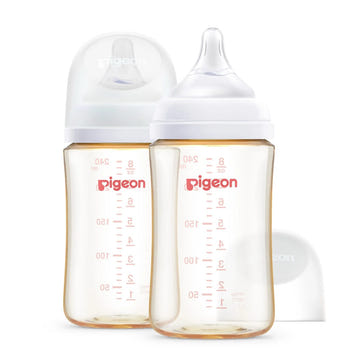
Pigeon PPSU Wide Neck Baby Bottles 2 Pack 8.1 oz 3+ ...
$35.99
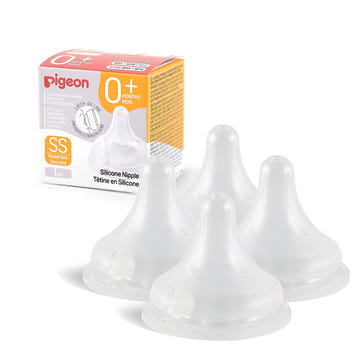
Pigeon Silicone Nipple SS 0+ Months Latch-On Line An...
$22.99
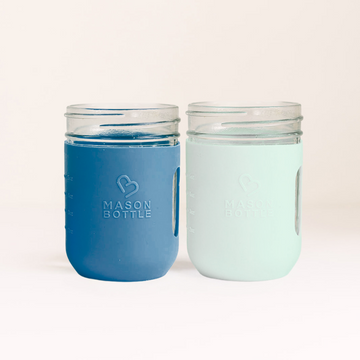
Mason Bottle Silicone Sleeve 2-Pack Fits 4 oz and 8 ...
$16.99
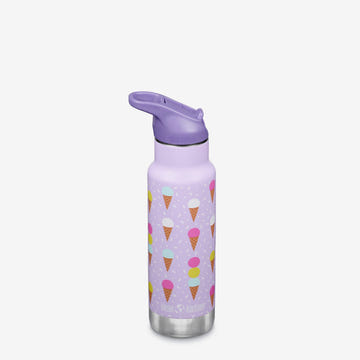
Klean Kanteen 12oz Kid's Classic Insulated Bottle Fl...
$25.95
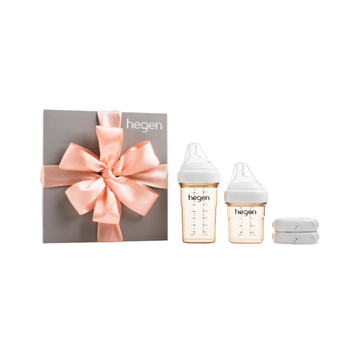
hegen PPSU Baby Bottle Starter Kit 150ml 240ml 0-6 m...
$59.99
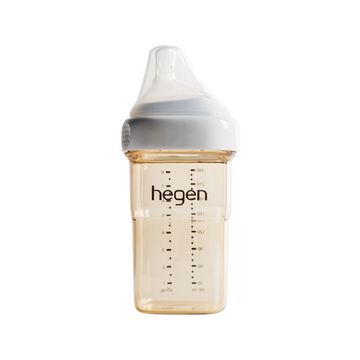
hegen PPSU Anti-Colic Baby Bottle 240ml White Medium...
$24.99
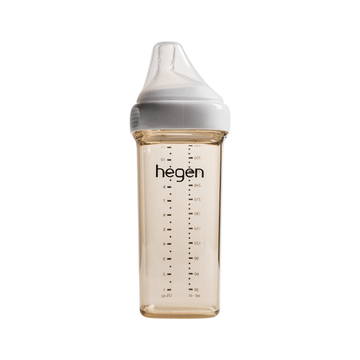
hegen PPSU Anti-Colic Baby Bottle 330ml 11oz White F...
$27.99
ezpz Baby-Led Tiny Spoons infant self-feeding spoons
$15.99
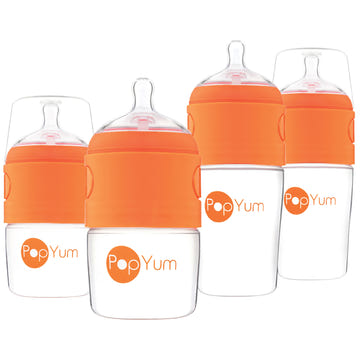
PopYum Baby Bottle Starter Set 4-Pack Orange 5oz 9oz
$44.99