


Let's get right to it: is a bottle warmer a non-negotiable piece of baby gear, or is it just another gadget destined to clutter your countertop? The honest-to-goodness answer is, it depends. For some parents, it's a total lifesaver, making those 3 a.m. feedings just a little bit smoother. For others, a simple bowl of warm water does the trick perfectly well.
So, Do You Actually Need One?
This guide is here to help you figure that out. We'll walk through the real-world perks, the not-so-obvious downsides, and some clever alternatives. The goal is to help you make a choice that actually fits your family’s routine, budget, and lifestyle. The decision really comes down to your unique situation—how you're feeding your baby and even your little one's personality.

This decision tree can give you a quick visual to see if your daily life points toward "yes" or "no."
Bottles, bowls, and baby-led picks
Mealtime, simplified
Take 20% off at checkout, applied automatically when you shop through this link.
Shop with MOM20 →Free US shipping over $100. Code applies automatically at checkout.
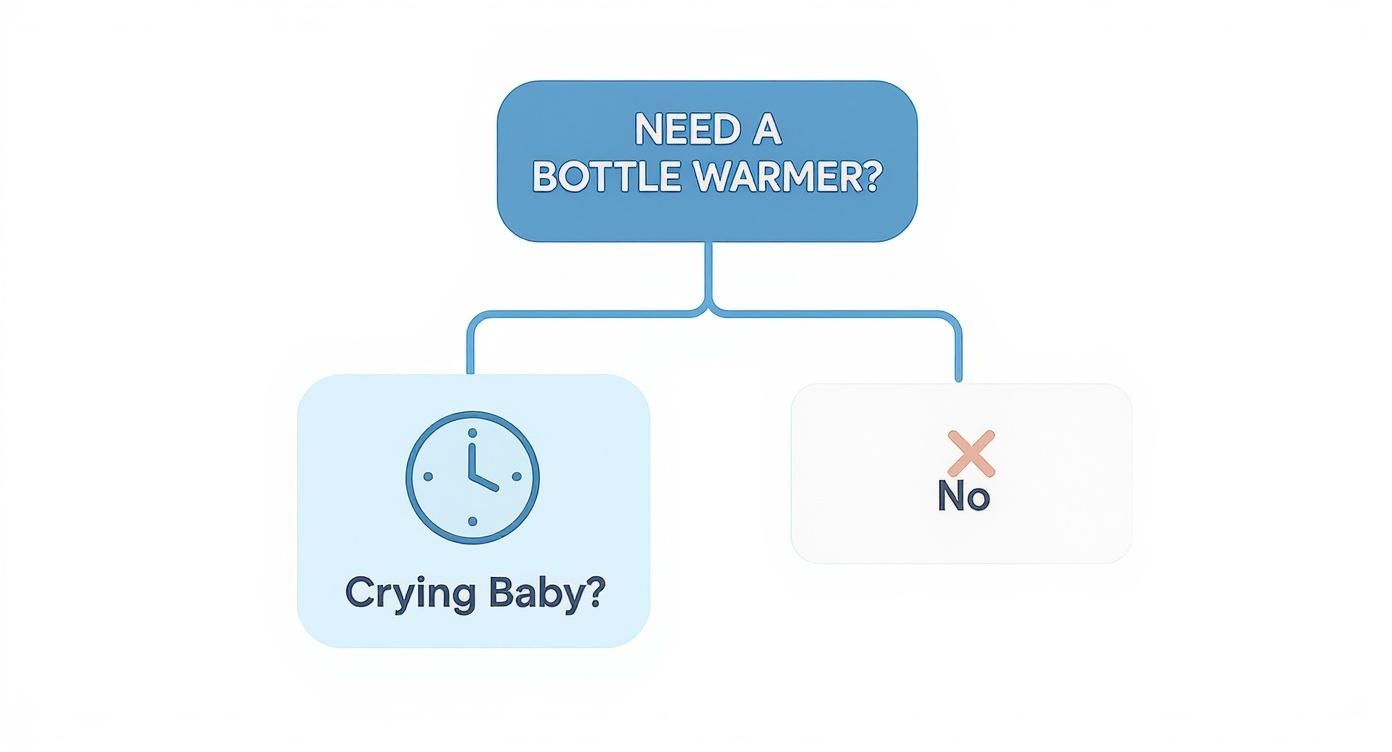
As you can see, things like frequent night feedings or having a baby who flat-out refuses a cold bottle can make a warmer feel less like a luxury and more like a necessity.
Why Does This Little Gadget Matter So Much?
Picking the right feeding tools is about more than just convenience; it's about chipping away at the stress of an already demanding time. Those early morning feeds, where a bottle warmer can really shine, are a huge part of your baby’s day and can even affect their sleep. If you're looking for more ways to create comforting routines for peaceful nights, you might find some great strategies to help kids fall asleep for good.
Ultimately, how you feed your baby is your journey. Whether you breastfeed, bottle-feed, or do a mix of both, the most important thing is finding a system that works for you. Understanding the pros and cons of both feeding methods can help you feel more confident in these smaller, day-to-day decisions.
The goal isn't to own every baby gadget on the market. It's about having the right ones—the ones that genuinely make your life easier and support your baby's well-being. A bottle warmer falls squarely into this category: a luxury for some, a necessity for others.
At a Glance: Should You Get a Bottle Warmer?
This quick comparison can help you see if a bottle warmer aligns with your feeding style and daily routine. Think of it as a cheat sheet to guide your decision.
| Feeding Style | A Bottle Warmer Is a Great Fit If... | You Can Probably Skip It If... |
|---|---|---|
| Exclusively Formula Feeding | You want consistent temperature every time and prefer not to use a microwave for safety reasons. | Your baby happily takes room-temperature or cold formula. |
| Exclusively Breastfeeding/Pumping | You're pumping and storing milk in the fridge or freezer and need a safe, reliable way to warm it. | You're primarily nursing directly, and bottle use is rare. |
| Combination Feeding | You frequently switch between breast and bottle, and consistency helps your baby transition smoothly. | You're comfortable with the warm water bowl method for occasional bottles. |
| Feeding a Preemie or Sensitive Baby | Your baby has digestive sensitivities and prefers milk at a precise body temperature. | Your baby isn't picky about milk temperature. |
| Parenting Multiples | You need to prepare multiple bottles quickly and efficiently, especially during simultaneous feedings. | You have a simple system that works, and another gadget feels like too much. |
Hopefully, seeing it laid out like this makes the choice a little clearer. It’s all about what will bring a little more ease and a little less chaos to your day. By weighing the pros and cons, you can decide if it's a worthwhile investment for your home.
Picks From This Story
Picks related to this guide, ready to ship from Moogco.

momjug breastfeeding water bottle 50oz double-wall s...
$49.99
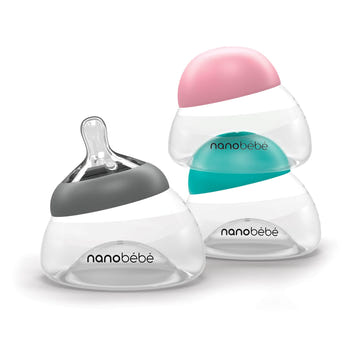
Nanobébé Breastmilk Baby Bottle 5 oz Pack Options Pi...
$16.99
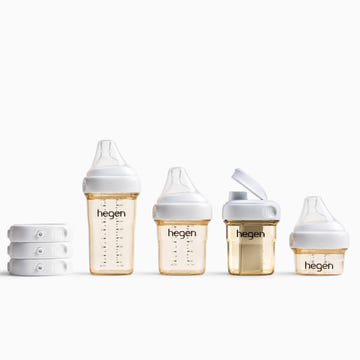
hegen PPSU Essentials Kit 60ml 150ml 240ml baby bottles
$99.99
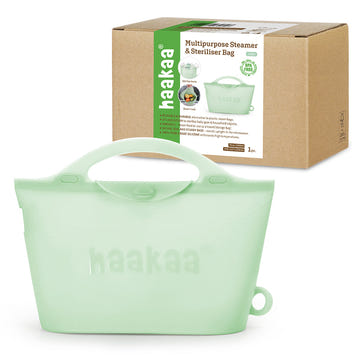
Haakaa Multipurpose Steamer & Sterilizer Bag 3 sizes...
$14.99
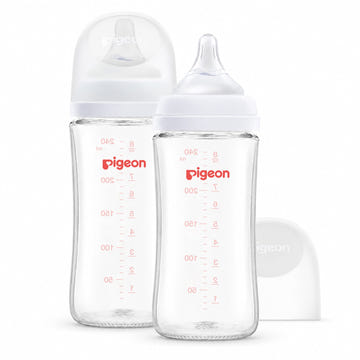
Pigeon Glass Wide Neck Baby Bottle 2-Pack 8.1 oz 3+ ...
$35.99
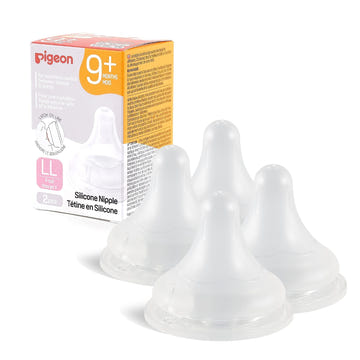
Silicone Nipple (LL), 9+ Months
$21.99
Why Parents Swear By Bottle Warmers
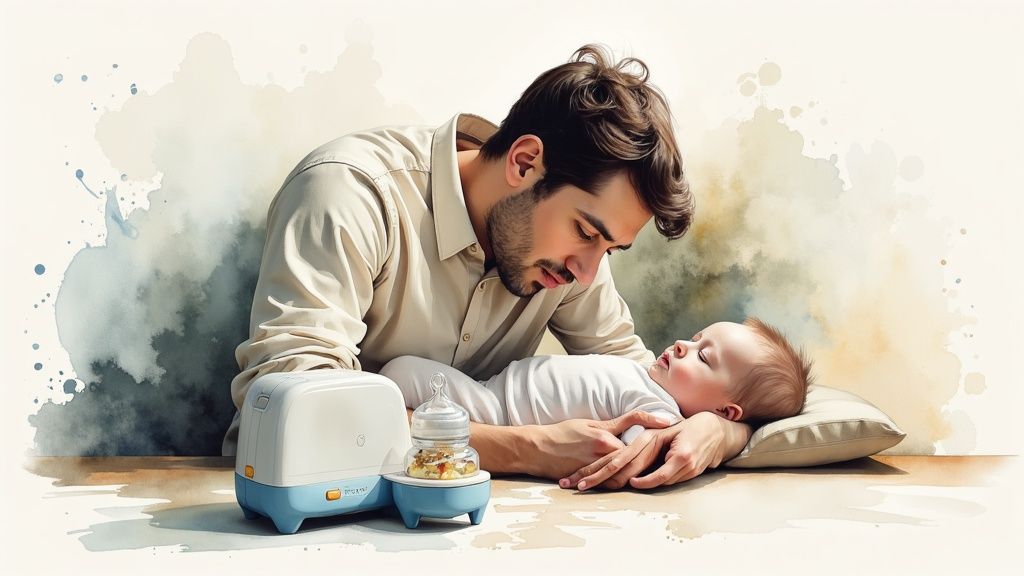
If you've ever found yourself stumbling into the kitchen at 3 AM with a crying baby on your hip, you know that every second counts. Trying to get a bowl of warm water just right while your little one gets more and more upset is a special kind of parental stress. This is exactly when a bottle warmer goes from a "nice-to-have" gadget to an absolute lifesaver.
Think of it as a specialized tool built for one purpose: to make your life just a little bit easier during some of the most demanding moments. It's not just about warming up milk—it’s about creating a calm, predictable routine when you need it most.
The Power of Precision and Consistency
So, what makes a warmer so much better than a bowl of water? The secret is in the consistent, just-right temperature. Many parents will tell you their baby has a "Goldilocks" preference for milk—not too hot, not too cold. A good warmer nails that perfect body temperature every single time.
This precision is especially important when you’re dealing with precious liquid gold: breast milk. The amazing nutrients and antibodies in breast milk are delicate and can be destroyed by too much heat. Microwaving is a huge no-no because it creates dangerous hot spots, and even a simple warm water bath can be a total guessing game.
A bottle warmer gently and evenly heats the milk, usually with a steady water bath or steam. This careful process protects the milk's nutritional quality, making sure your baby gets every bit of the good stuff you worked so hard to provide.
For pumping moms, this peace of mind is everything. Knowing that every ounce is being warmed safely is a huge relief. If you're navigating that journey, our guide for working moms who are pumping breast milk has some great tips.
Speed and Convenience When It Counts
Beyond getting the temperature just right, the sheer convenience is a game-changer. A modern bottle warmer can have a chilly bottle ready to go in as little as 2 to 4 minutes. Compare that to the 5-10 minutes you might spend running a bottle under the tap, and you’ll see why parents are such big fans.
That time saved feels like an eternity when you've got a fussy baby waiting. It helps turn a frantic scramble into a smooth, manageable process.
Here’s where that speed really shines:
- Night Feedings: Keeping a warmer on your nightstand means you can get a bottle ready without even leaving the bedroom. Everyone gets back to sleep faster.
- Managing Multiples: When you’ve got two or more hungry mouths to feed, efficiency is your best friend. A warmer keeps the assembly line moving so no one has to wait long.
- Handing Off Duties: It makes it incredibly simple for a partner, grandparent, or sitter to help out. There’s no complex instruction manual—just push a button and you're good to go.
At the end of the day, parents swear by bottle warmers because they solve a real, everyday problem. They deliver a perfectly warmed, safe bottle with almost no effort, bringing a welcome dose of calm to the beautiful chaos of life with a new baby.
The Hidden Downsides of Bottle Warmers
https://www.youtube.com/embed/EFNiHW6NqQY
Before you click "add to cart" on that shiny new bottle warmer, let's take a beat and look at the other side of the coin. The promise of convenience is definitely tempting, but for some parents, the reality of another gadget on the counter brings more hassle than help.
First up, let's talk about space and money. Your kitchen counter is already prime real estate, right? A bottle warmer stakes a claim to a permanent spot. It’s also one more thing to buy, adding to that ever-growing list of baby expenses. It's not the most expensive piece of gear, but it's still a cost you might not need to take on.
The Maintenance You Didn't Sign Up For
Beyond the price tag, there’s the hidden chore of upkeep. Bottle warmers need to be cleaned regularly to keep mold and bacteria from setting up shop in the water reservoir. We're not talking about a quick wipe-down, either—it's a critical safety step you can't skip.
On top of that, you’ll have to descale the unit every few weeks, especially if you live in an area with hard water. Mineral deposits can build up and mess with the warmer's performance and lifespan. It’s another small but constant task on your already very full plate.
The real question isn't just do you need a bottle warmer, but do you need another appliance to clean and maintain? For some, the answer is a clear no.
Tethered to the Outlet
Portability is another big thing to think about. Most standard bottle warmers need to be plugged into an electrical outlet to work. This is fine when you're chilling at home, but what happens when you’re out for the day or traveling?
Suddenly, your trusty countertop warmer is pretty useless on a road trip, at the park, or on a plane. This limitation means you'll still need a backup plan for warming bottles on the go, which kind of defeats the purpose of having a special device in the first place. Knowing how to store breast milk safely is a huge part of traveling with a baby, and your warming method needs to be just as flexible.
Here are a few times a standard warmer just doesn't cut it:
- Day Trips: Visiting grandma for the day means you either have to lug the warmer with you or figure something else out when you get there.
- Travel: Most warmers are way too bulky to earn a spot in your suitcase for a family vacation.
- Power Outages: In an unexpected outage, your high-tech warmer becomes just another piece of plastic.
At the end of the day, it's all about weighing these potential headaches against the benefits. By getting a clear picture of the downsides, you can sidestep buyer's remorse and make a choice that actually makes your life simpler.
More Related Picks
A few more favorites from the same collection.
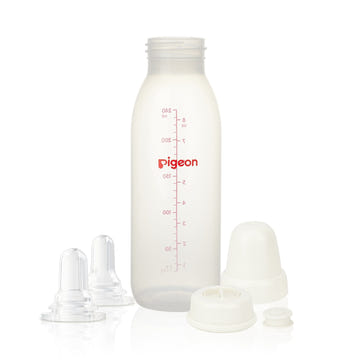
Pigeon Baby Cleft Lip/Palate Bottle 8.11 Oz 2 Nipples
$19.90
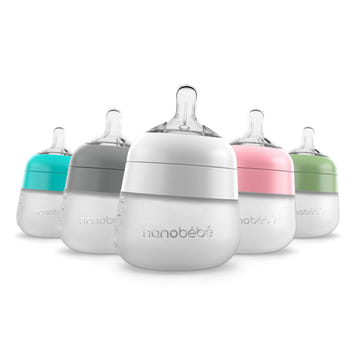
Nanobébé Flexy Silicone Baby Bottle 5oz
$16.99
Mason Bottle Silicone Nipples 2 Pack Regular-Mouth B...
$12.99

Nanobébé Silicone Anti-Colic Baby Bottle Nipples Gen...
$5.99
ezpz Baby-Led Gumline Feeder silicone pouch for baby...
$13.99
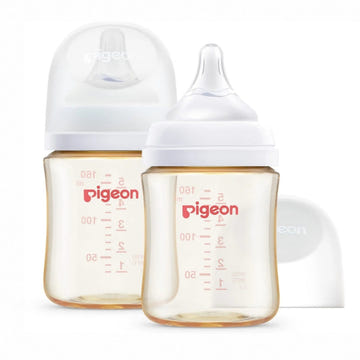
Pigeon PPSU Wide Neck Baby Bottle 2 Pack 5.4 oz Newborn
$34.99
Smart and Simple Alternatives to a Bottle Warmer
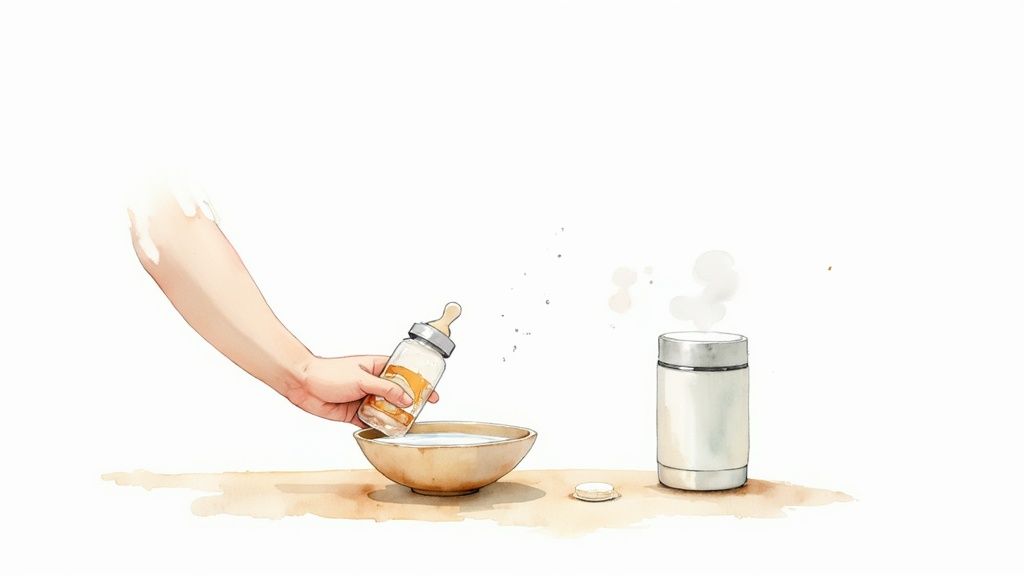
So, you've decided a bottle warmer isn't for you. That doesn't mean you're stuck with a cold bottle and a fussy baby! Parents have been warming milk for generations using simple, effective methods that don’t require another gadget cluttering up the counter.
The most classic technique is the good old warm water bath. It’s as straightforward as it sounds: just place the bottle in a bowl or mug of warm water for a few minutes. The key here is warm, not boiling. This gentle approach heats the milk evenly without creating dangerous hot spots, making it a super safe choice for both breast milk and formula.
Think of the warm water bath as the original, low-tech bottle warmer. It works on the same principle of gentle heating, just without the cord or cleaning schedule. It just requires a little patience—and remember, never use a microwave.
Some babies have very strong feelings about warm milk and might turn their nose up at a cold bottle. If you're running into that issue, our guide to navigating bottle refusal has some practical tips that might help.
Clever Hacks for Different Situations
While the water bath is a great go-to, a few other tricks can make your life even easier, especially when you're away from the kitchen.
-
The Trusty Thermos Method: This is an absolute game-changer for middle-of-the-night feeds or days out. Before you head to bed or leave the house, fill a thermal flask with hot water. When it's feeding time, just pour the water into a cup (or even the thermos lid) and pop the bottle in for a few minutes. It's the perfect portable solution.
-
Formula Pitchers: If you're formula-feeding, mixing a day's worth of formula in a pitcher and keeping it in the fridge saves so much time. When your baby gets hungry, you can pour what you need and warm it up. Honestly, you might find your baby is perfectly happy with room-temperature formula, which simplifies things even more.
-
Baby Formula Kettles: This is a more specialized gadget, but for formula-feeding families, it can be a lifesaver. These kettles heat water to a precise, baby-safe temperature and hold it there all day. You can mix a perfectly warm, fresh bottle in seconds.
Even with these simple methods, dedicated warmers are more popular than ever. The global baby bottle warmers market is growing at a rate of around 4.2% a year and is expected to continue that pace through 2030. This shows just how much parents are thinking about getting that milk temperature just right. In 2023, the Asia Pacific region alone made up over 22% of the market share. You can dig into these market trends on cognitivemarketresearch.com if you're curious.
At the end of the day, it's all about finding a simple system that takes the stress out of your feeding routine.
How to Choose the Right Bottle Warmer
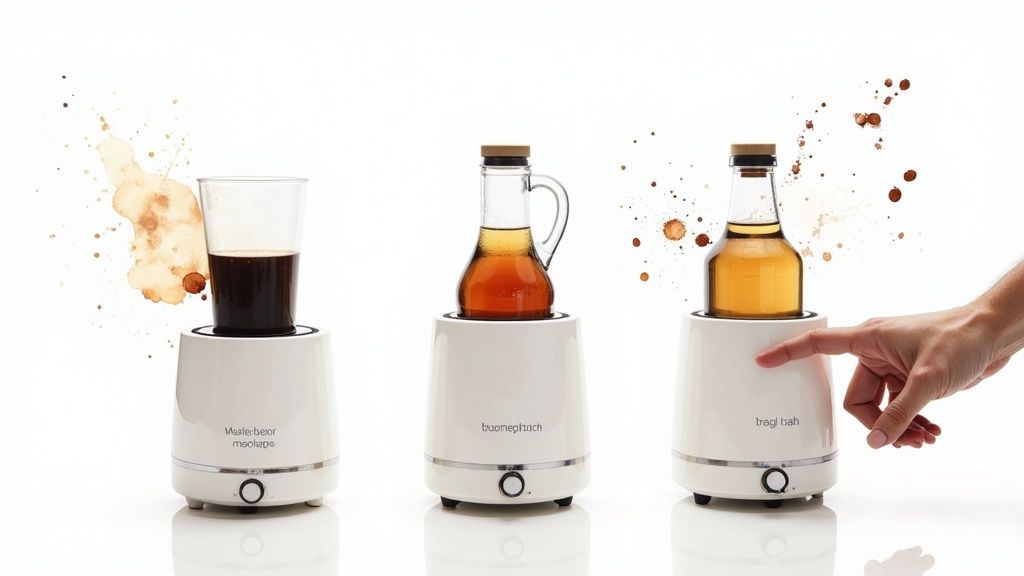
So, you’ve decided a bottle warmer might just be the lifesaver you need. Awesome! Now for the fun part: picking one out. Walking into the baby aisle can feel like stepping into a sea of gadgets, all promising to be the best. The secret isn't grabbing the one with the most buttons, but finding the one that truly fits your family’s routine.
Think of it this way: a microwave is great for zapping things fast, but you'd use a conventional oven for a slow, even bake. Bottle warmers are a lot like that. Your first big decision will be how it actually heats the milk.
Steam vs. Water Bath: A Quick Breakdown
This is probably the most important choice you'll make, as it impacts everything from heating time to nutrient preservation.
-
Steam Heat Warmers: These are the speed demons. They use a tiny bit of water to create a blast of steam, heating a bottle in just a few minutes. If you've got a hangry baby on your hands and every second counts, a steam warmer is your best friend. The only catch is you have to be careful, as they can sometimes overheat the milk if you're not paying attention.
-
Warm Water Bath Warmers: Think of these as the "low and slow" cookers of the baby world. They gently circulate warm water around the bottle, bringing the milk to the perfect temperature without any hot spots. This method is hands-down the best for protecting the precious nutrients in breast milk. It takes a bit longer, but the peace of mind is often worth the trade-off.
Your choice really comes down to what you're warming and what you value most. For formula feeders who need speed, steam is a fantastic option. For breast milk, the gentle, nutrient-preserving approach of a water bath is almost always the winner.
Essential Features to Look For
Okay, beyond the heating method, there are a few other things that separate a good warmer from a great one. Keeping an eye out for these features will make your life so much easier.
A quick look at different warmer technologies to help you choose the best features for your family's needs.
Comparing Key Bottle Warmer Features
| Feature Type | How It Works | Ideal for Parents Who... |
|---|---|---|
| Compatibility & Fit | The warming chamber is designed to accommodate various bottle shapes and sizes (wide-neck, angled, glass, etc.). | Use different bottle brands or want a warmer that adapts as their baby grows. |
| Auto-Shutoff | The device automatically turns off when the heating cycle is complete. | Are often multitasking and want to prevent overheating and ensure safety. |
| Audible/Visual Alerts | A beep or a light signals that the bottle has reached the desired temperature. | Need a clear signal they can hear or see from across a room (especially at night). |
| Multi-Function | Combines a warmer with other functions, like a sterilizer or food jar heater. | Want to save counter space and get more value from a single gadget. |
| Smart Connectivity | Connects to a smartphone app, allowing you to start warming or get notifications remotely. | Love tech and appreciate the convenience of controlling devices from their phone. |
This table just scratches the surface, but it gives you a good idea of how different features cater to different needs. The key is to picture yourself using it at 3 a.m. and decide which of these will genuinely make that moment easier.
Must-Have Safety and Convenience Features
Compatibility and Fit
This one sounds obvious, but it’s a common mistake! Before you buy, double-check that the warmer will actually fit your bottles. If you use wide-neck, angled, glass, or silicone bottles, make sure the chamber is roomy enough. A "universal" design is usually a safe bet.
Safety Features
An auto-shutoff is a non-negotiable, must-have feature. It kills the power once the cycle is done, so you never have to worry about accidentally overheating a bottle. Let’s be honest, you have enough on your mind! An alert—like a beep or a light—is also a huge help to let you know when it's ready.
Smart and Multi-Function Features
The world of baby gear is always getting smarter, and bottle warmers are no exception. The global market was valued at around $174 million in 2022 and is expected to hit nearly $260 million by 2031, largely thanks to new innovations. You can learn more about these infant care product trends on Business Wire.
Some of the newer models can even sterilize bottles, which is a fantastic way to save precious counter space. If you're wondering whether an all-in-one is right for you, our guide on methods for sterilizing baby bottles can help you weigh the pros and cons.
Got Questions About Your Bottle Warmer? We’ve Got Answers.
Even after you've decided a bottle warmer is right for you, a few practical questions always pop up once you get it home. It's totally normal. Think of this as your cheat sheet for all those little things the instruction manual doesn't quite cover.
We'll walk through the common queries we hear from parents, giving you clear, straightforward answers. From daily cleaning to making sure every drop of that precious liquid gold is warmed just right, we've got you covered.
Can You Leave Water in a Bottle Warmer Overnight?
It’s so tempting, especially when you’re exhausted, to just leave the water in the chamber for the next feeding. But it’s really best not to. When you leave water standing in a warm environment, it can quickly become a breeding ground for mold and bacteria—the last things you want anywhere near your baby’s bottle.
On top of that, letting water sit also speeds up mineral buildup (that chalky stuff called limescale). This residue can make your warmer less efficient and even shorten its lifespan. The best habit to get into is to empty and dry the unit every day.
For those middle-of-the-night feeds, here’s a pro tip: keep a bottle of fresh, purified water on your nightstand right next to the warmer. That way, you can pour and go without compromising on hygiene. Using distilled water is another great trick, as it dramatically cuts down on how often you’ll need to descale the machine.
Is It Safe to Warm Breast Milk in a Bottle Warmer?
Absolutely! In fact, using a bottle warmer is one of the safest ways to heat expressed breast milk, as long as you do it right. The whole goal is to protect all the incredible nutritional and immunological goodies in that milk.
Unlike a microwave, which nukes milk unevenly and creates dangerous hot spots that can destroy vital nutrients, a bottle warmer uses gentle, even heat. To preserve those amazing antibodies and vitamins, always choose a slow, steady setting. If your warmer has a "warm water bath" mode, that’s your best bet—steer clear of the high-heat steam settings for breast milk.
After warming, give the bottle a gentle swirl to mix the fatty layers that have separated. Never shake it! Shaking can damage the milk's delicate proteins. And of course, always do a quick temperature check by squirting a few drops on the inside of your wrist to make sure it’s comfortably warm, not hot.
How Do You Clean and Descale a Bottle Warmer?
Keeping your bottle warmer clean is non-negotiable for safety and performance. I like to think of it in two parts: the daily wipe-down and the occasional deep clean.
Daily Upkeep:
- Unplug and Cool: First things first, always unplug the unit and let it cool down completely.
- Empty and Wipe: Pour out any water left in the chamber.
- Dry Thoroughly: Grab a clean cloth and wipe the inside and outside until it’s totally dry.
Periodic Descaling (every 2-4 weeks):
Mineral buildup from tap water can stop your warmer from heating properly. Descaling sounds technical, but it’s super simple.
- Mix the Solution: Just mix one part white vinegar with two parts water.
- Run a Cycle: Pour the mix into the chamber and run a heating cycle without a bottle inside. You could also just let it sit for 20-30 minutes (but always double-check your manual for what the manufacturer recommends).
- Rinse It Out: Dump the vinegar solution and rinse the chamber two or three times with clean water to get rid of any lingering vinegar smell.
What Is the Difference Between a Bottle Warmer and a Formula Kettle?
This is a great question, and it’s easy to get them confused! They might look similar, but they do two very different jobs. A bottle warmer is designed to take a pre-made, chilled bottle of either breast milk or formula and gently bring it up to feeding temperature. It's a handy tool for pretty much any parent who bottle-feeds.
A baby formula kettle, on the other hand, is specifically for parents using powdered formula. It heats water to a precise, baby-safe temperature and then holds it there. This gives you perfectly warmed water on demand, ready to be mixed with formula powder for a fresh bottle in seconds.
So, a formula kettle is only really useful for formula-feeding families. While some parents swear by it for speed, a bottle warmer is the more versatile gadget, working for breast milk, ready-to-feed formula, and pre-mixed formula. The market for these devices is huge; the North American baby bottle warmer and sterilizer market held about 40.4% of global revenue in 2024. The bottle warmer segment alone makes up roughly 51.8% of that market, and it’s expected to keep growing. You can find more details on these market trends on transparencymarketresearch.com.
Here at Moogco Baby, we know that having the right tools can make your parenting journey feel a lot calmer and more confident. We've handpicked a collection of feeding essentials, from top-rated bottles to nursing must-haves, all designed to support you and your little one. Come explore our curated collection and find the perfect gear for your family at https://www.moogcobaby.com.
Bring this guide home with 20% off.
Use code MOM20 for 20% off →
Frequently Asked Questions
Can I Use a Bottle Warmer for Both Formula and Breast Milk?
Absolutely! Most bottle warmers are designed to handle both formula and breast milk safely. The key is making sure the warmer heats gently and evenly to protect the nutrients in breast milk while getting formula to a comfortable temperature. Just follow the manufacturer's guidelines for each type of milk, and you're all set.
How Long Does It Actually Take to Warm a Bottle?
Most modern bottle warmers get a bottle ready in about 2 to 4 minutes, though it can vary based on the starting temperature and the amount of milk. If you're warming straight from the fridge, expect it to be on the longer end. From room temperature, it's usually closer to 2 minutes. It's still way faster than the warm water bowl method.
Do Bottle Warmers Work With All Bottle Brands?
Most warmers are designed to fit standard and wide-neck bottles, so they're pretty universal. That said, some warmers have size restrictions, especially if you're using unusually tall or wide bottles. Always check the product specs before buying to make sure your favorite bottles will fit comfortably.
Can You Overheat Milk in a Bottle Warmer?
It's rare, but it can happen if you leave the bottle in too long or if the warmer malfunctions. That's why many parents love warmers with auto-shutoff features. Overheating is especially risky for breast milk because it can destroy valuable nutrients and antibodies. Always test the milk temperature on your wrist before offering it to your baby.
Are Portable Bottle Warmers Worth It for Travel?
If you're often on the go or traveling, a portable warmer can be a total game changer. Many run on car adapters or rechargeable batteries, so you can warm bottles anywhere without hunting for an outlet or hot water. They're especially handy for road trips, flights, or long days out and about.
Is It Okay to Warm a Bottle Twice?
No, once you've warmed a bottle, you shouldn't reheat it again. Reheating can encourage bacteria growth, especially if your baby has already started drinking from it. If your little one doesn't finish the bottle within an hour or two, it's safest to toss the leftover milk and start fresh next time.
Do I Really Need to Descale My Bottle Warmer?
Yes, descaling is super important for keeping your warmer running smoothly and safely. Mineral buildup from tap water can clog the heating element and affect performance. Most manufacturers recommend descaling every two to four weeks, depending on your water hardness. It only takes a few minutes and helps your warmer last longer.
What If My Baby Prefers Cold or Room Temperature Bottles?
If your baby is totally happy with a cold or room temperature bottle, count yourself lucky and skip the warmer! Not all babies are picky about milk temperature, and if yours isn't, you can save yourself the money, counter space, and cleaning time. There's no nutritional reason milk needs to be warmed, it's purely about preference.
From Moogco Studio
Printable and personalized nursery essentials. Designed by moms for moms.


About the Editor
Eda Ulger is a co-founder of Moogco Baby, the editor of the Moogco Baby Journal, and a mom of two. She curates and edits our guides so every piece is honest, practical, and genuinely helpful for the early days of motherhood.
Shop This Story
Picks related to this guide, ready to ship from Moogco.
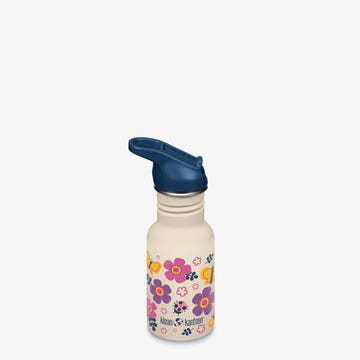
Klean Kanteen 12oz Kid's Classic Bottle Flip Seal Sp...
$17.95
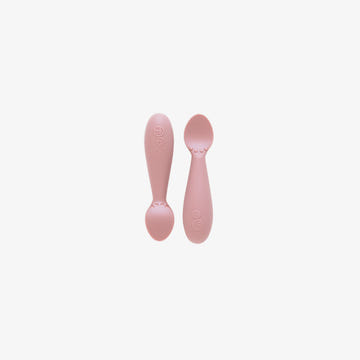
ezpz Baby-Led Tiny Spoons infant self-feeding spoons
$15.99
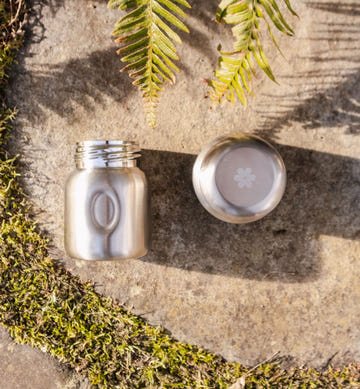
better baby care Better Baby Bottle Pair Plastic-free
$45.00
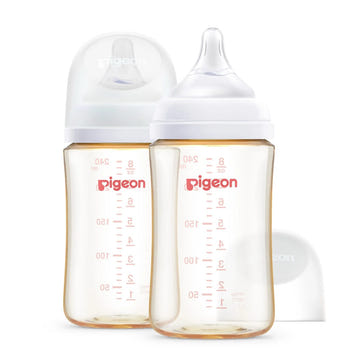
Pigeon PPSU Wide Neck Baby Bottles 2 Pack 8.1 oz 3+ ...
$35.99
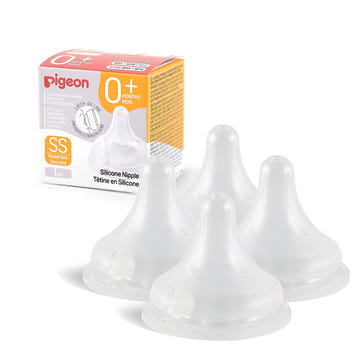
Pigeon Silicone Nipple SS 0+ Months Latch-On Line An...
$22.99
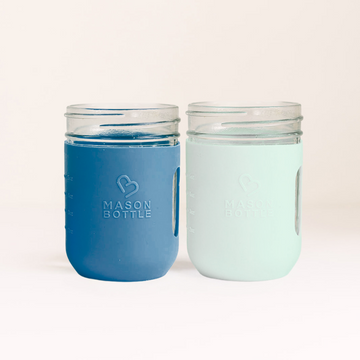
Mason Bottle Silicone Sleeve 2-Pack Fits 4 oz and 8 ...
$16.99
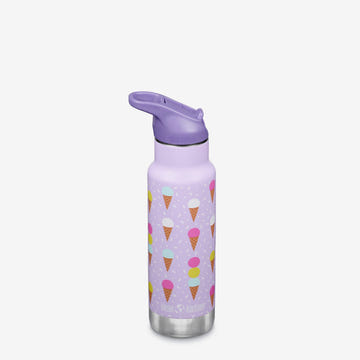
Klean Kanteen 12oz Kid's Classic Insulated Bottle Fl...
$25.95
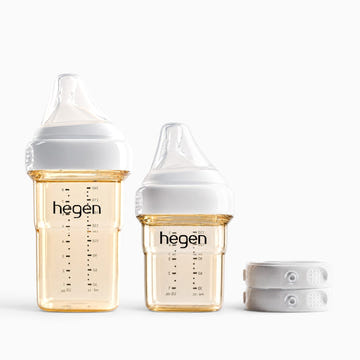
hegen PPSU Baby Bottle Starter Kit 150ml 240ml 0-6 m...
$59.99
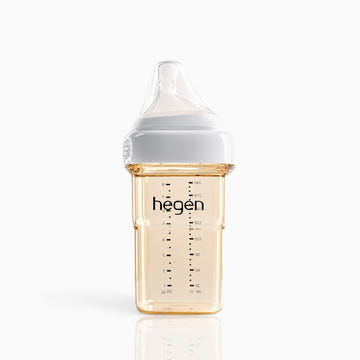
hegen PPSU Anti-Colic Baby Bottle 240ml White Medium...
$24.99
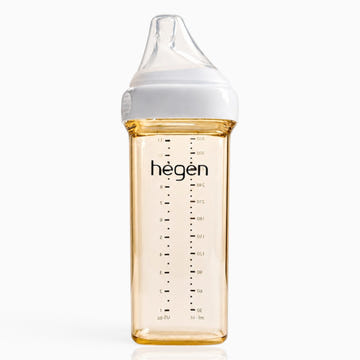
hegen PPSU Anti-Colic Baby Bottle 330ml 11oz White F...
$27.99