


When you're expecting, the sheer volume of "must-have" baby gear can feel overwhelming. Sustainable baby products are about cutting through that noise. Think of them as thoughtfully designed items that are gentle on your baby, kind to the planet, and built to last.
From diapers and swaddles to toys and teethers, these products focus on reducing waste, avoiding harsh chemicals, and supporting a healthier environment for our little ones to grow up in.
So, What Are Sustainable Baby Products, Really?
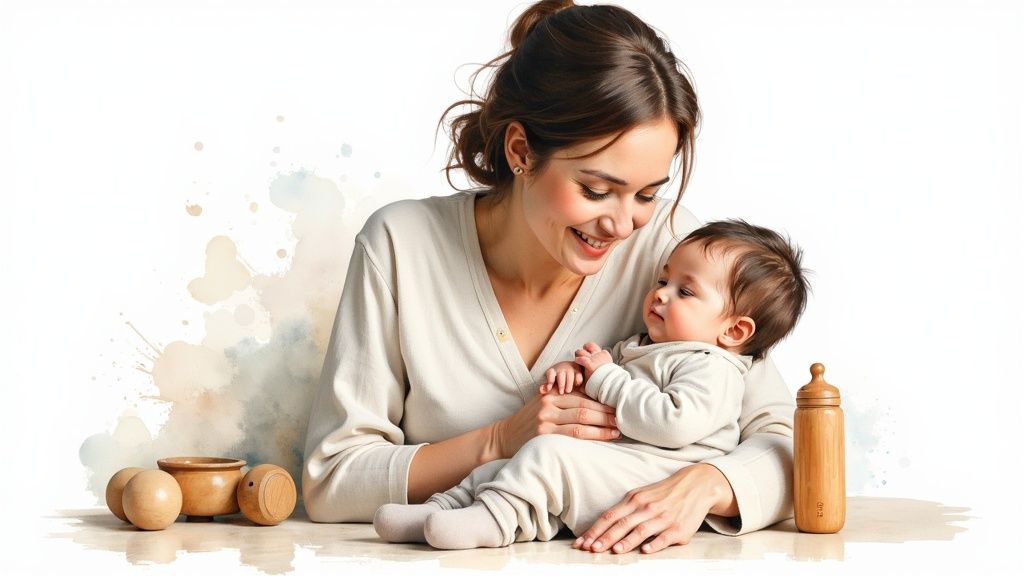

Let's use an analogy. When you start thinking about your baby’s first foods, you naturally lean toward things that are pure, nourishing, and free from anything artificial. Sustainable baby products apply that very same principle to everything else—their clothes, their crib, their bottles, you name it.
Free US shipping over $100
Real essentials, picked by real moms
Take 20% off at checkout, applied automatically when you shop through this link.
Shop with BABY20 →Free US shipping over $100. Code applies automatically at checkout.
These items aren't just about a trend; they're about making a conscious choice to put your baby's health and the future of their world first. At its heart, sustainability in the baby world is simple: creating and using things in a way that meets our needs today without messing things up for future generations.
The Core Ideas Behind Sustainability
To really get it, it helps to understand what makes a product "eco-friendly" or "non-toxic." These aren't just buzzwords slapped on a label; they're the pillars of a more mindful way of parenting.
- Eco-Friendly Materials: This is all about using renewable resources that grow back, like bamboo, organic cotton, or wood from responsibly managed forests. The idea is to leave the smallest possible footprint, from how a product is made to how it's eventually disposed of.
- Non-Toxic and Safe: This one is huge. It means a total ban on harmful chemicals. Sustainable products are free from things like BPA, phthalates, and synthetic fragrances that can be harsh on a baby's super-delicate system.
- Durability and Longevity: Sustainability is also the antidote to our throwaway culture. It's about choosing well-made items that are built to last, can be passed down to the next baby, or can be used in multiple ways. It's quality over quantity, every time.
This way of thinking is catching on, big time. The global baby care market is expected to jump from USD 240.54 billion to USD 385.97 billion by 2030, and a huge part of that growth comes from parents actively looking for safer, greener options. In fact, about 64% of parents now say they prefer chemical-free products for their kids. The demand for healthier alternatives is clear, and you can explore more data on the growing sustainable baby market trends.
A Story of Relief and Sustainability
For so many parents, the switch to sustainable products starts with solving a real, nagging problem. Take Sarah, a new mom who was determined to breastfeed but was dealing with painful, cracked nipples. She was frustrated, discouraged, and just about ready to give up. She started searching for a natural solution that didn’t involve slathering on creams or using single-use plastics.
That's when she stumbled upon Moogco Silver Nursing Cups. Made from pure 925 silver, these little cups offered natural, antimicrobial healing without a single chemical or lotion. They brought immediate relief and helped her stick with her breastfeeding goals, but they also checked every box for her values.
They were reusable, created zero waste, and were completely safe for her baby. It was a simple, elegant solution that solved her problem while letting her be the kind of sustainable parent she wanted to be.
Picks From This Story
Picks related to this guide, ready to ship from Moogco.
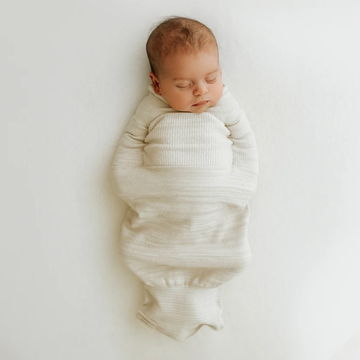
Swaddelini Bamboo Blend Beige Swaddle Sleep Sack 3D-...
$69.95
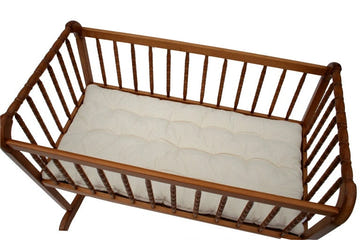
Wendy Anne Organic Cotton Futon Pad Rectangle Custom...
$69.00
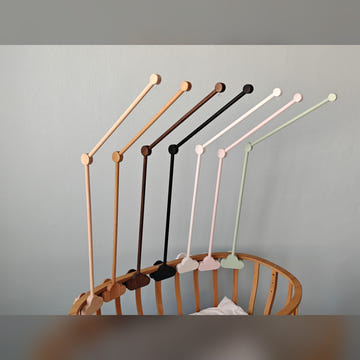
Premium Wood Mobile Arm for Crib, Boho Nursery Decor...
$42.00
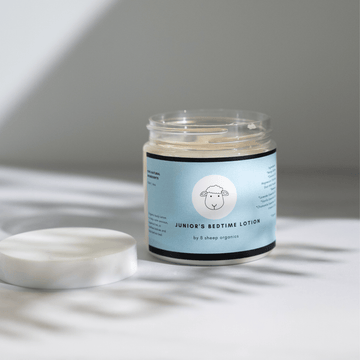
8 Sheep Organics Juniors Bedtime Lotion deep sea mag...
$23.00
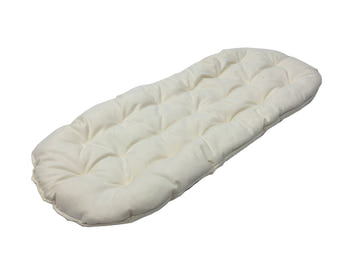
Organic Cotton Futon Mattress Topper Pad - Custom Si...
$69.00
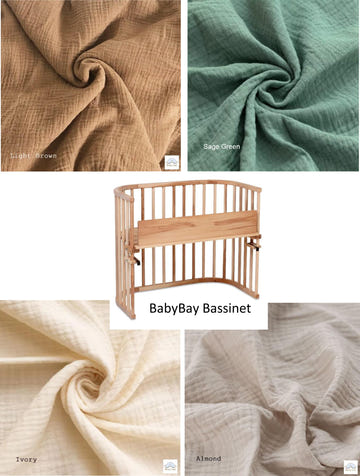
Wendy Anne Bedside Bassinet Fitted Sheet Organic Cot...
$36.00
Why Eco-Friendly Choices Matter for Your Family
Choosing sustainable baby products isn't just about following a trend—it's about making thoughtful decisions that directly affect your child’s health and the world they’ll grow up in. When you hold your newborn, their well-being is everything, and these conscious choices are a natural extension of that protective instinct.
Many mainstream baby items, unfortunately, can introduce some surprisingly harsh irritants to your baby’s delicate system. Think synthetic fragrances in lotions or chemical residues on factory-made clothing. Sustainable products flip the script by prioritizing natural, non-toxic materials, making sure that what touches your baby is as pure and gentle as possible.
Protecting Your Baby’s Health First
A baby’s skin is like a little sponge—it’s thinner and way more absorbent than ours, making it extra vulnerable to everything it comes into contact with. This is exactly why choosing products free from nasties like parabens, phthalates, and harsh dyes is such a big deal.
When you opt for things made from organic cotton or food-grade silicone, you’re building a safer, healthier bubble for your little one. This focus on purity helps minimize the risk of skin irritation, allergies, and exposure to unnecessary chemicals during those crucial early stages. It's a simple change that brings a whole lot of peace of mind.
To make this crystal clear, let's look at a quick comparison.
Sustainable vs Conventional Baby Products: A Quick Comparison
This table breaks down the key differences between conventional and sustainable baby products, focusing on what matters most for your family's health and the environment.
| Aspect | Conventional Products | Sustainable Products |
|---|---|---|
| Materials | Often made with synthetic fabrics, plastics, and treated with chemicals (pesticides, chlorine, dyes). | Made from natural, renewable, and organic materials like cotton, bamboo, wood, and food-grade silicone. |
| Health Impact | Potential for skin irritation, allergies, and exposure to toxins like BPA, phthalates, and parabens. | Hypoallergenic, breathable, and free from harmful chemicals, reducing the risk of skin issues and reactions. |
| Environmental Footprint | Heavily reliant on single-use items (diapers, wipes) that end up in landfills. Manufacturing can be resource-intensive. | Emphasizes reusability, biodegradability, and recyclable packaging. Sourced from ethically managed, renewable resources. |
| Durability | Often designed for short-term use, leading to frequent replacement and more waste. | Built to last, often designed for multiple uses or to be passed down, reducing overall consumption. |
Seeing it side-by-side really highlights how small, conscious choices can add up to make a significant, positive impact.
Looking at the Bigger Picture
Beyond your baby's immediate health, our consumer choices create ripples that affect the entire planet. The baby industry, let's be honest, has a huge disposability problem. A mind-boggling number of single-use items, from diapers to wipes, are tossed into landfills every single day, where they can sit for hundreds of years.
Choosing reusable options is one of the most powerful changes you can make. For example, the idea of cloth diapering might feel a little intimidating at first, but even using them part-time can keep thousands of disposables out of the trash. If you're curious, you can explore the environmental benefits of reusable diapers and see if it feels right for your family.
Sustainable baby products are also designed with the earth in mind from start to finish. The brands behind them tend to use renewable materials, follow ethical manufacturing practices, and use minimal, recyclable packaging. By supporting these companies, you’re not just buying a product—you’re investing in a healthier planet and teaching your child about conscious consumption from day one.
How to Decode Labels and Certifications
Walking down the baby aisle can feel like learning a new language. You’ll see words like "eco-friendly," "natural," and "organic" everywhere. But how do you know what’s real and what’s just clever marketing? Let's break it down so you can become a confident, label-reading pro.
Think of certifications as a product's report card. They're seals of approval from independent organizations that check if a product meets strict standards for safety, sustainability, and ethical practices. When you spot one, you can feel good knowing the claims on the package aren't just empty words.
This infographic really helps bring it all together, showing how one small, sustainable choice can create positive ripples for your baby's health and our planet.
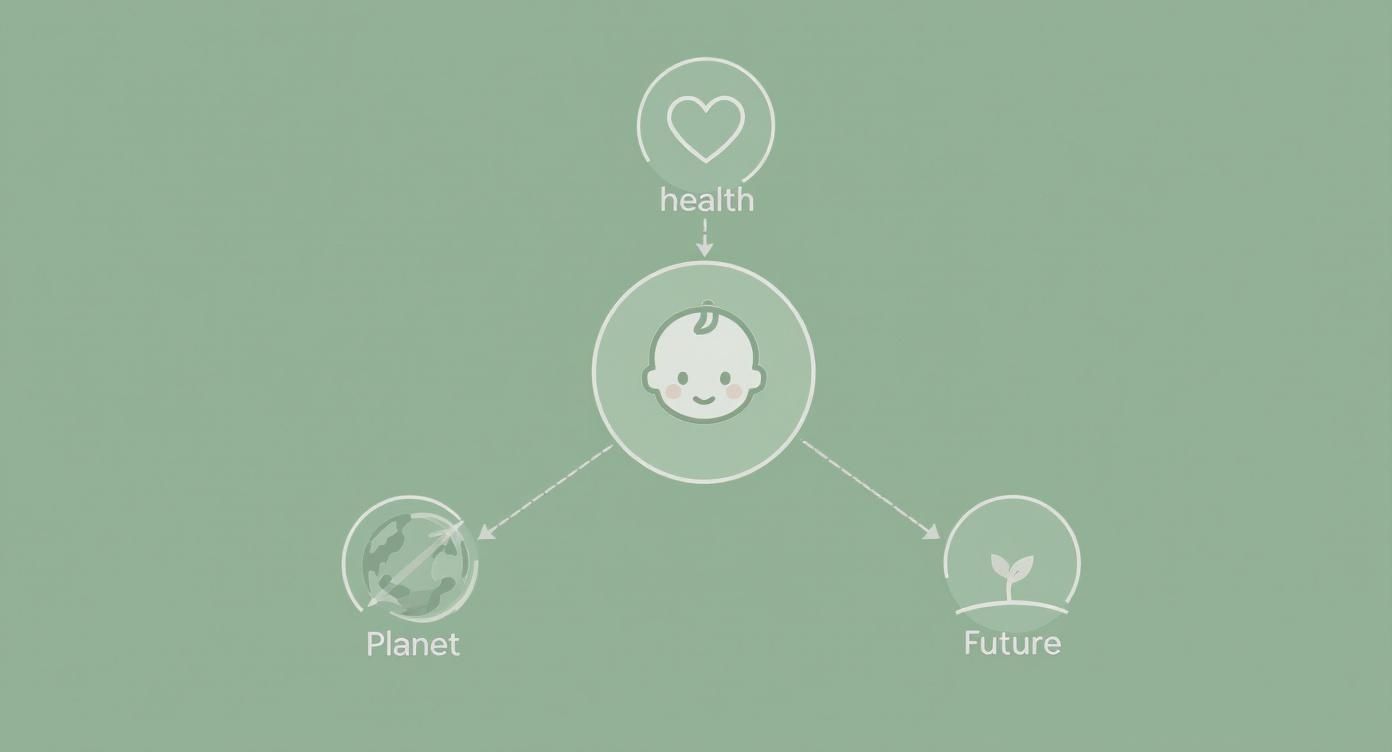
It’s a great reminder that every thoughtful purchase connects to a much bigger, healthier picture for everyone.
Spotting the Best Materials
The heart of any truly sustainable product is what it’s made of. Your first and most important step is to look for high-quality, natural materials. These are so much better for the environment, and they're also much gentler on your baby’s sensitive skin.
Here are a few of the top materials to keep an eye out for:
- Organic Cotton: Grown without any synthetic pesticides or fertilizers, organic cotton is unbelievably soft, breathable, and hypoallergenic. It's the perfect choice for anything that touches your baby's skin, from their first onesie to their crib sheets. For more tips, check out our guide on choosing the right fabric blend for baby clothes and bedding.
- Bamboo: I love bamboo for its silky feel and serious sustainability creds. It’s a fast-growing grass that needs very little water and no pesticides to thrive. Plus, it’s naturally antibacterial and moisture-wicking, which is amazing for clothes and swaddles.
- Food-Grade Silicone: This is a fantastic, non-toxic alternative to plastic. Food-grade silicone is super durable, a breeze to clean, and completely free from BPA, phthalates, and other nasty chemicals. It’s my go-to for bibs, teethers, and little one's dishware.
- FSC-Certified Wood: When you're buying wooden toys or furniture, look for the FSC (Forest Stewardship Council) label. This little logo is your guarantee that the wood came from a responsibly managed forest that protects wildlife and supports local communities.
Parents just like you are driving a huge shift in the industry. The North American baby care market now holds a massive 34.2% revenue share of the global industry, and a big reason for that is the demand for premium, organic, and environmentally friendly products. This push from parents is why we're seeing more trusted labels like USDA Organic and EWG Verified on shelves.
Your Guide to Key Certifications
While good materials are a great start, certifications give you that extra layer of confidence. They help you see past the "greenwashing" and find real proof that a product is as sustainable as it claims to be.
What is Greenwashing? It's a sneaky marketing tactic where companies use misleading claims to seem more eco-friendly than they are. Relying on verified, third-party certifications is the best way to make sure you're getting the real deal.
Here are the most important labels to recognize:
1. GOTS (Global Organic Textile Standard)
This is the gold standard for organic fabrics. If you see the GOTS logo on a blanket or piece of clothing, it means the entire process—from harvesting the cotton to labeling the final product—met incredibly strict ecological and social rules. It’s a guarantee that the item is at least 95% organic fiber and made without any harmful chemicals.
2. OEKO-TEX® Standard 100
This certification is all about chemical safety. When a product has the OEKO-TEX® label, it’s been tested and proven to be free from a long list of substances known to be harmful. It's your peace of mind that no hazardous dyes, pesticides, or heavy metals are lurking in the things your baby touches.
3. FSC (Forest Stewardship Council)
Like we mentioned before, this is the label you want on any wood or paper products. It promises responsible forestry, making sure that the ecosystems and communities connected to the forest are protected for the future.
Getting familiar with these labels is the key to choosing products you can truly feel good about. If you want to dig a little deeper, this guide on how to make sure you're really buying organic is a fantastic resource for cutting through the noise. Once you have this knowledge, you can shop with total certainty, knowing your choices are a perfect match for your family's values.
More Related Picks
A few more favorites from the same collection.
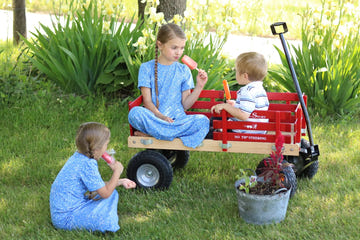
Amish Toy Box Berlin Flyer Sport Wagon F410 36x17.25...
$274.50
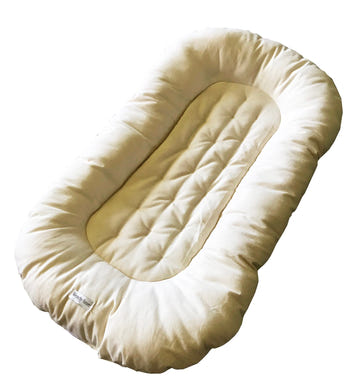
Wendy Anne Lounger Nest Organic Cotton Futon Oval Bo...
$129.00
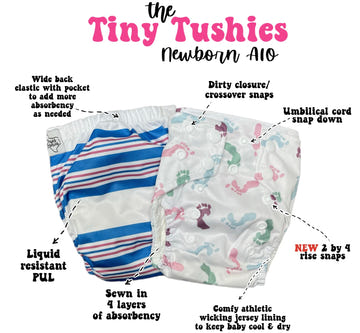
Texas Tushies Tiny Tushies Newborn AIO Cloth Diaper ...
$9.00
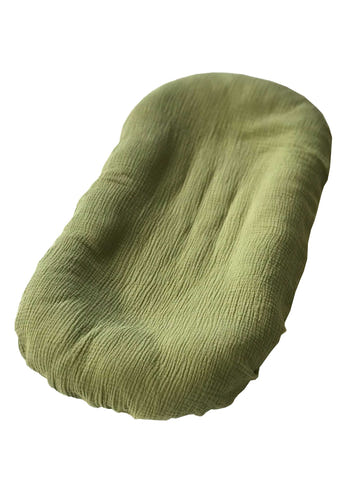
Wendy Anne Infant Lounger Slip Cover Organic Cotton ...
$59.00
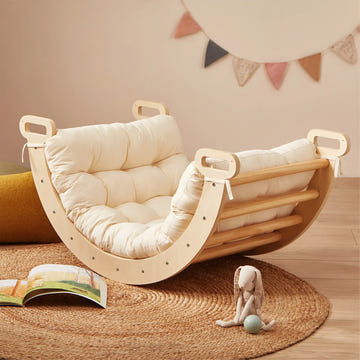
Tiny Land Thick Padded Play Cushion Arch Not Included
$74.99
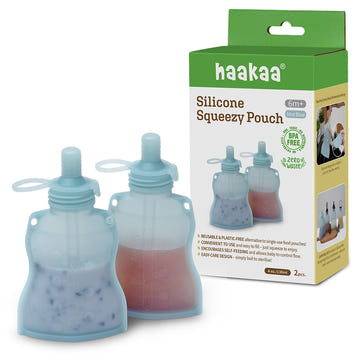
Haakaa Silicone Yummy Pouch 4.5 oz
$13.56
Building Your Sustainable Baby Registry
Putting together a baby registry can feel like a massive undertaking. But what if you approached it with a sustainable mindset? Suddenly, it becomes less about getting everything and more about choosing the right things. It’s all about embracing a "less is more" philosophy.
This shift in perspective helps you create a registry that’s not just kinder to the planet but also a whole lot friendlier to your wallet. The real goal is to select items that are safe, incredibly durable, and genuinely useful to your family for years, not just a few months.
Quality Over Quantity: The Sustainable Mindset
The secret sauce to a truly sustainable registry? Focusing on items that can pull double (or triple) duty. We're talking about a convertible crib that morphs into a toddler bed, tough-as-nails glass bottles that can be passed down, or a baby carrier that adjusts as your little one grows from a tiny newborn into a curious toddler.
Leaning into second-hand treasures is another fantastic way to go. You can often find high-quality gear like bouncers, swings, and strollers in practically new condition, which saves a ton of resources and cash. Also, don’t hesitate to ask for group contributions toward bigger, pricier items instead of ending up with a mountain of small plastic toys.
One new mom we know was all-in on this idea during her breastfeeding journey. She was determined to nurse but was struggling with some serious pain and soreness, almost to the point of giving up. Instead of reaching for disposable creams and single-use pads, she found Moogco Silver Nursing Cups. These simple, reusable cups offered natural, antimicrobial healing and let her continue breastfeeding comfortably. It was a perfect real-world example of how one high-quality, sustainable product can solve a major problem and cut out a whole stream of waste.
Her story really shows how a single, thoughtful choice can make a huge difference—both in your day-to-day life and for the environment.
Curated Essentials for Your Registry
To help you get started on the right foot, we've put together a curated checklist of the essentials. This isn't about a mile-long list; it's about getting what you truly need. For a much deeper look, check out our guide on baby registry must-haves.
Here are a few key categories with a sustainable spin:
Feeding Essentials:
- Reusable Nursing Pads: A must for any breastfeeding mom looking to cut down on daily waste.
- Moogco Silver Nursing Cups: The perfect registry add-on for natural nipple care without needing any creams or disposables.
- Glass or Stainless Steel Bottles: These are built to last through multiple kids and are a durable, non-toxic alternative to plastic.
- Organic Cotton Burp Cloths: Super soft, absorbent, and made without harsh pesticides.
Diapering Station:
- Cloth Diapers or an Eco-Friendly Disposable Subscription: Many parents find a hybrid approach works best, so don't be afraid to experiment.
- Wipeable Changing Pad: A game-changer like the Keekaroo Peanut Pad means you never have to buy or wash disposable covers again.
- Cloth Wipes: So much gentler on your baby’s skin and the planet. Just toss them in the wash!
Sleep and Nursery:
- Convertible Crib: Think of this as an investment piece that grows right alongside your child, from infant to toddler.
- GOTS-Certified Organic Cotton Crib Sheets: This certification guarantees the fabric is free from harmful chemicals and safe for sensitive skin.
- Solid Wood Dresser: Choose a timeless, well-made piece that will last for years, long after the nursery days are over.
If you want a convenient way to discover new, vetted brands that share your values, you might also look into an eco-friendly baby subscription box. These services do the research for you. At the end of the day, building a sustainable registry is simply about making intentional choices that feel right for your growing family.
Simple Sustainable Habits for Daily Life
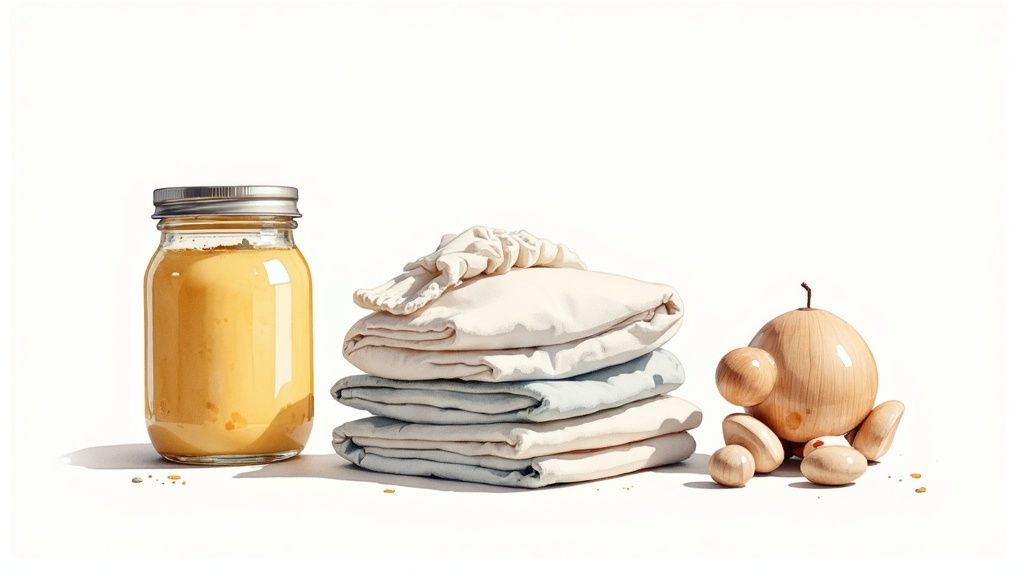
Choosing sustainable baby products is a fantastic start, but the real magic happens when you weave those choices into your day-to-day. Sustainability isn't about grand, sweeping gestures. It's built from the small, conscious habits you practice every day.
These simple actions make an eco-friendly lifestyle feel manageable and rewarding, not like another chore on your to-do list. It's a mindset shift—nurturing both your baby and the planet through mindful routines. From how you wash their clothes to what you do with outgrown gear, every little bit adds up. The goal is joy and progress, not impossible perfection.
Extending the Life of Your Products
Honestly, one of the most sustainable things you can do is simply take good care of what you already own. High-quality, eco-friendly products are built to last, but a little TLC goes a long way in keeping them out of the landfill.
A few easy care routines can make a world of difference:
- Organic Fabrics: Wash organic cotton and bamboo clothes in cold water. Tumble dry on low or, even better, let them line dry. This saves energy and keeps the fabric from shrinking.
- Wooden Toys: A quick wipe-down with a simple solution of vinegar and water is all you need. Just try not to soak them, as it can make the wood swell and warp.
- Silicone Items: Those awesome food-grade silicone bibs and plates are tough! Just pop them on the top rack of the dishwasher to keep them in great shape.
When you care for your items properly, you ensure they stay in amazing condition for a future sibling or can be passed along to another family.
Making Your Own Baby Food
Making your baby’s food at home is such a powerful way to cut down on waste and know exactly what they’re eating. Think about it—all those single-use pouches and jars from store-bought food create a constant stream of trash. Making your own is surprisingly simple; all you really need is a blender and some fresh ingredients.
Steaming and pureeing fruits and veggies like sweet potatoes, peas, and apples is a great way to start. You can even make big batches and freeze them in reusable silicone trays for perfectly portioned meals. This habit not only slashes packaging waste but also means your baby is getting pure, preservative-free food.
This hands-on approach is getting more and more popular. The global organic baby food market is expected to hit an estimated USD 14.8 billion, and the whole baby care market is projected to reach USD 88.72 billion by 2026. It just goes to show that healthy, sustainable choices are becoming the new normal for parents everywhere. You can discover more insights about these baby product statistics.
A Success Story From a Mom Like You
Sometimes the best sustainable swaps are the ones that solve a real, everyday problem. That was definitely the case for Jessica, a new mom who cherished breastfeeding but was struggling with intense nipple pain. She was on the verge of quitting, frustrated by single-use balms and disposable pads that just weren't helping.
Determined to find a better way, she came across Moogco Silver Nursing Cups. Made from pure 925 silver, these reusable cups offered natural, antimicrobial healing without any creams or chemicals. Within just a few days, the relief was incredible. The cups not only soothed her pain but gave her the confidence to continue her breastfeeding journey.
"I was so close to giving up," Jessica shared. "Finding the Silver Nursing Cups was a turning point. They worked, they were completely natural, and I loved that I wasn't throwing anything away. It felt like a choice that was good for me, my baby, and the planet."
Jessica’s story is a perfect example of how one thoughtful, sustainable product can make all the difference. For more ideas on weaving sustainability into your feeding routine, check out our guide on eco-friendly breastfeeding practices for nursing mothers. It’s a great reminder that the best eco-friendly choices are often the simplest ones.
Your Questions on Sustainable Parenting Answered
Jumping into the world of sustainable baby products can feel like learning a new language, and it almost always comes with a few questions. It’s completely normal to wonder about the cost, the effort involved, and whether you're making the "right" call. Think of this section as your personal cheat sheet, here to tackle those common concerns with clear, honest answers.
Our goal is to help you feel confident and capable, turning that feeling of "where do I even start?" into simple, doable steps. Let's get into the questions that are probably on your mind.
Aren't Sustainable Baby Products Just More Expensive?
This is easily the number one question we hear, and the short answer is: sometimes upfront, but almost always no in the long run. The trick is to shift your perspective from the initial price tag to the cost-per-use.
Take cloth diapers, for example. Buying a full set can feel like a big investment at first. But when you compare that to the $2,000 to $3,000 most families will spend on disposables over the first few years, the savings become crystal clear. The same logic holds true for things like durable glass bottles or convertible furniture that grows with your child—you buy them once instead of over and over again.
Budget-Smart Tip: Getting friendly with the second-hand market is a total game-changer. You can find beautiful, high-quality clothes, bouncers, and toys for a fraction of what they cost new. It’s the ultimate win-win: you save a ton of money and give a great item a second life, which is one of the most sustainable things you can do.
I Feel So Overwhelmed. Where Should I Even Start?
Feeling a little swamped is pretty much the definition of early parenthood. Adding "be more sustainable" to your to-do list can feel like one thing too many. So, the most important thing to remember is this: it’s about progress, not perfection. Seriously. You don't have to overhaul your entire life overnight.
The best way to get started is to start small. Just pick one or two areas that feel the most meaningful or manageable for your family right now.
Here are a couple of easy entry points:
- Focus on What Touches Their Skin: Begin with the things that have the most direct contact with your baby’s sensitive skin. Swapping to organic cotton onesies or choosing a gentle, non-toxic baby wash is a simple change with a big impact.
- Swap One Single-Use Item: Pick one disposable product you use every single day and find its reusable cousin. This could be as simple as switching from disposable wipes to soft cloth wipes or using washable nursing pads.
Every little change is a genuine win. Celebrate it, and then build from there at a pace that feels right for you.
How Do I Avoid "Greenwashing" from Brands?
Ah, "greenwashing." It's that frustrating marketing trick where companies use fuzzy language and earthy-looking packaging to seem more eco-friendly than they actually are. It can make trying to shop consciously feel like you're navigating a minefield. The good news is, once you know what to look for, you can spot it a mile away.
Your best defense is to look right past vague buzzwords like "natural," "eco-friendly," or "pure." These terms aren't regulated, which means they can mean anything... or nothing at all. Instead, hunt for actual proof.
Third-party certifications are your most trusted friends here. Seals like GOTS (Global Organic Textile Standard), OEKO-TEX®, and FSC (Forest Stewardship Council) mean a company had to meet strict, verifiable standards. Truly sustainable brands are also transparent—they’ll happily tell you about their materials, their supply chain, and their packaging. If a brand makes you dig for that info, consider it a red flag.
A Mom’s Success Story with a Sustainable Swap
Sometimes, the best sustainable choices are the ones that solve a real, everyday problem. That was exactly the case for Maria, a new mom who was committed to breastfeeding but was dealing with excruciating nipple pain. She was on the verge of giving up, feeling defeated by single-use creams that didn't help much and just created more waste.
Determined to find something that worked and aligned with her values, Maria discovered Moogco Silver Nursing Cups. Made from pure 925 silver, these beautifully simple, reusable cups offered natural, antimicrobial healing without any chemicals or lotions. The relief was almost instant, but the impact was about so much more than physical comfort.
"I was so close to stopping breastfeeding entirely," Maria shared. "The Moogco cups were a complete game-changer. Not only did they heal me and allow me to continue nursing my son, but they also felt so right. I wasn't creating trash, I wasn't putting any chemicals on my body, and I was investing in one high-quality product that I could use over and over. It was the first time I truly understood how a sustainable product could make my life easier and better."
Maria’s story is a perfect example of how a single, thoughtful swap can make a profound difference. It supported her well-being as a mother and her commitment to a more sustainable lifestyle, showing that the best sustainable baby products are often the ones that become essential parts of your daily life.
What Are the Most Impactful Swaps I Can Make?
If you're looking to make changes that create the biggest positive ripple effect, your best bet is to focus on the things you use and toss out most often. This is where you can make a huge dent in your family's waste and environmental footprint.
The top three high-impact areas are:
- Diapering: This is the undisputed champion of baby-related waste. Switching to cloth diapers—even if it's just part-time—can keep thousands of disposables out of the landfill.
- Feeding: For nursing moms, reusable breast pads and natural solutions like Silver Nursing Cups cut out a constant stream of waste. For bottle-feeding, choosing durable glass or stainless steel is a fantastic move. If you're exploring your options, our guide to the top-rated baby bottles is a great place to start.
- Clothing and Gear: Choosing second-hand first is one of the most powerful sustainable choices you can make. It completely skips the environmental costs tied to manufacturing, packaging, and shipping a brand-new item.
By zeroing in on these key areas, you can make a massive difference without feeling like you have to change everything all at once.
At Moogco Baby, we believe choosing high-quality, sustainable products should feel good, not stressful. Our Silver Nursing Cups are a perfect example of how a simple, natural solution can support you on your parenting journey while honoring your commitment to the planet.
Discover the healing power and sustainability of Moogco Silver Nursing Cups today.
Bring this guide home with 20% off.
Use code BABY20 for 20% off →
Frequently Asked Questions
Are bamboo baby products really better than regular cotton?
Yes, bamboo is naturally antimicrobial, grows incredibly fast without pesticides, and requires far less water than conventional cotton. When it's processed responsibly (look for mechanical processing rather than chemical), bamboo fabric is soft, breathable, and gentle on sensitive baby skin. It's a genuinely sustainable choice, especially when certified organic, and holds up beautifully wash after wash.
Can I mix sustainable and conventional products, or is it all or nothing?
Absolutely mix and match! Sustainability isn't about perfection, it's about progress. Start with the items your baby uses most often, like diapers, wipes, or clothing, and swap those first. Every single sustainable choice you make adds up, so even replacing one or two conventional products with eco-friendly alternatives is a meaningful win for your baby and the planet.
What does GOTS certification actually mean for baby clothes?
GOTS stands for Global Organic Textile Standard, and it's one of the gold standards for organic fabrics. It guarantees that the cotton or other fibers were grown organically without toxic pesticides, and that every step of production, from dyeing to finishing, meets strict environmental and social criteria. When you see GOTS on a baby outfit, you know it's truly clean, safe, and responsibly made from farm to closet.
How do I know if a wooden toy is actually safe for my baby?
Look for toys made from solid, untreated hardwood or those finished with food-grade, water-based paints and oils. Certifications like ASTM, EN71, or FSC (for sustainably sourced wood) are reassuring signs. Avoid anything with a strong chemical smell, peeling paint, or small detachable parts. A good sustainable wooden toy should be smooth, sturdy, and simple, designed to last through years of play and chewing.
Is glass really safer than plastic for baby bottles and food storage?
Glass is non-toxic, doesn't leach chemicals, and won't absorb odors or stains, making it a fantastic choice for bottles and storage. It's also completely recyclable and lasts forever if you don't break it. The trade-off is weight and fragility, so many parents use silicone sleeves for protection. If glass feels too risky, food-grade stainless steel or silicone are excellent, safe, and durable alternatives to plastic.
What's the deal with organic crib mattresses? Do they really matter?
They absolutely matter. Babies spend up to 18 hours a day sleeping, and conventional crib mattresses can off-gas chemicals from flame retardants, vinyl, and foam. An organic crib mattress uses natural materials like organic cotton, wool, and natural latex, all free from harsh chemicals and toxins. It's one of the most impactful investments you can make for creating a safe, healthy sleep environment for your little one.
Can I find sustainable baby products at regular stores, or do I have to shop online?
You can definitely find sustainable options at many mainstream retailers now, especially larger chains that have added eco-friendly and organic baby sections. That said, shopping online often gives you access to a wider variety of certified sustainable brands, better transparency, and customer reviews. Whether in-store or online, just take a moment to check labels, certifications, and ingredient lists to make sure the product truly aligns with your values.
How long do sustainable baby products typically last compared to regular ones?
Sustainable baby products are usually built with durability in mind, so they often outlast their conventional counterparts by a long shot. Quality organic clothing, wooden toys, and reusable gear like cloth diapers or stainless bottles are designed to survive multiple kids, hand-me-downs, and years of use. While the upfront cost might be higher, the longevity and ability to reuse or resell them means you save money and reduce waste in the long run.
From Moogco Studio
Printable and personalized nursery essentials. Designed by moms for moms.


About the Editor
Eda Ulger is a co-founder of Moogco Baby, the editor of the Moogco Baby Journal, and a mom of two. She curates and edits our guides so every piece is honest, practical, and genuinely helpful for the early days of motherhood.
Shop This Story
Picks related to this guide, ready to ship from Moogco.
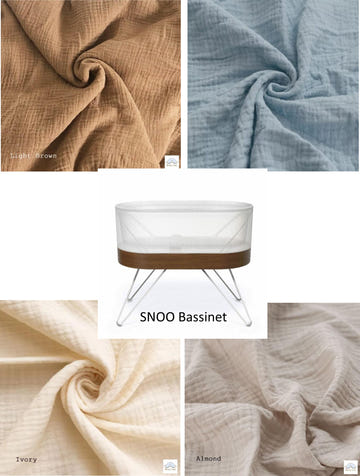
Wendy Anne Cradle Bassinet Fitted Sheet Organic Cott...
$32.00

Wooden Baby Mobile Holder for Crib & Changing Table
$39.50
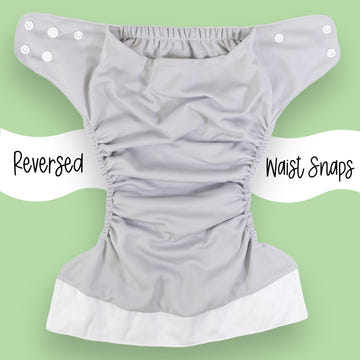
Texas Tushies Flex Fit Pocket Cloth Diaper fits 7lbs...
$12.00
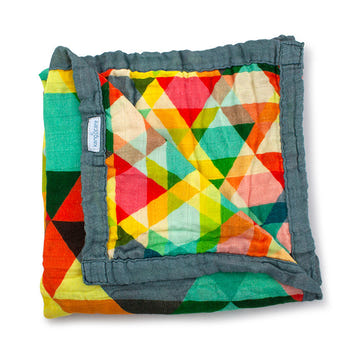
Kanga Care Bamboo Muslin Blanket Baby Finn Reversibl...
$39.99
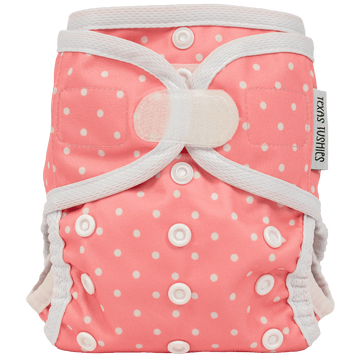
Texas Tushies Tiny Tushies Newborn Hook & Loop Cover...
$8.50
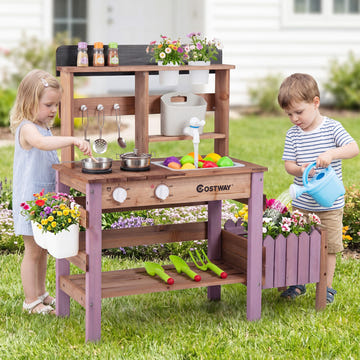
Wooden Mud Kitchen Set with Running Water Faucet Tank
$104.99

Goosewaddle Rattle Teether Wooden Silicone 4 Colors
$16.00
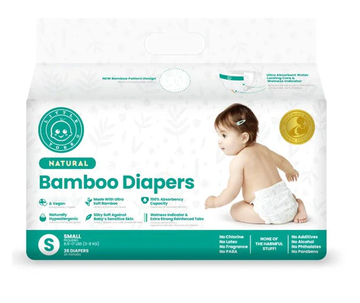
Little Toes Natural Bamboo Diapers 36 Pack
$25.99
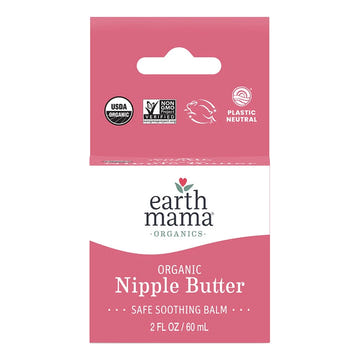
Organic Nipple Butter™ - Double-Sided for Kids
$14.99
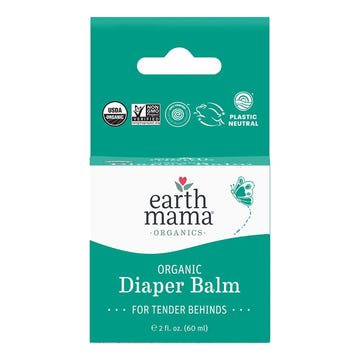
Organic Diaper Balm - Large Capacity for Parents
$13.99