


When it comes to nipple care during breastfeeding, the goal is to be proactive, not just reactive. It’s a combination of getting a great latch, practicing gentle daily hygiene, and knowing how to soothe any discomfort right away. This mindset is what prevents serious pain and helps you build a beautiful nursing relationship from the start. A comfortable experience is completely within your reach with the right know-how.
Starting Your Breastfeeding Journey with Confidence
Let's be real for a moment—while breastfeeding is natural, it doesn't always come naturally. So many new moms feel some nipple discomfort, especially in those first few days. You are absolutely not alone in this, and there are real, practical solutions. This guide isn't about generic advice; it’s about giving you actionable strategies to take care of yourself while you nourish your baby.

Taking a proactive approach is honestly the secret to a positive and lasting breastfeeding relationship. Think of this guide as your personal toolkit, filled with everything from mastering the latch to soothing soreness and knowing exactly when to call for backup. We’re here to validate what you’re feeling and empower you with the knowledge to make nursing a comfortable and rewarding time for both of you.
Curated by moms, vetted by lactation pros
Everything for the breastfeeding journey
Take $15 off at checkout, applied automatically when you shop through this link.
Shop with BABY15 →Free US shipping over $100. Code applies automatically at checkout.
Why Nipple Care Matters So Much
Proper nipple care is about so much more than just your own comfort—it’s a cornerstone of successful breastfeeding. In fact, nipple pain and injury are among the top reasons moms stop breastfeeding earlier than planned. Studies show this affects a staggering 80% to 90% of breastfeeding women. Most of the time, the culprits are simple but significant issues like a shallow latch or awkward positioning that lead to pain and cracks.
This isn't to scare you, but to empower you. Knowing what’s at stake really highlights why getting a handle on a few key techniques from day one can make all the difference in the world.
Your comfort is not a luxury—it's a necessity for a successful breastfeeding experience. Prioritizing your own well-being allows you to better care for your baby and enjoy this unique bonding time.
Setting Yourself Up for Success
Building a strong foundation for your breastfeeding journey starts long before your baby arrives. It’s about understanding your options and preparing for the realities of postpartum life. This goes beyond just buying nursing bras; it involves learning what to expect and how to respond. As you get started, it's helpful to understand the different ways you can nourish your baby, so you can make the best choice for your family. You can learn more by exploring different feeding choices, including breastfeeding and other methods.
Here are a few things you can do to get ready:
- Learn Before Your Baby Arrives: Watching videos or taking a class on latch mechanics and different feeding positions now can save you a lot of stress later.
- Build Your Support Team: Who are you going to call? Make a list with your partner, a trusted friend, a lactation consultant, or a local support group.
- Create a "Comfort Kit": Get your station ready. Have things like soothing silver cups, a safe nipple balm, and soft nursing pads on hand before you need them.
A little bit of prep work like this helps you face any bumps in the road with confidence instead of panic.
Picks From This Story
Picks related to this guide, ready to ship from Moogco.
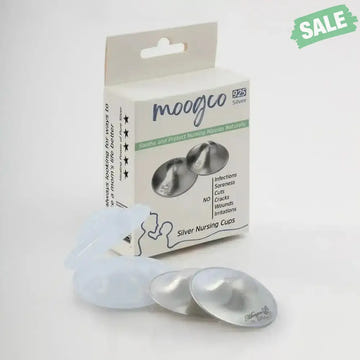
MOOGCO Silver Nursing Cups 925k Silver - Protect Aga...
$34.75

The Original Silver Nursing Cups with Silicone Pads
$62.90
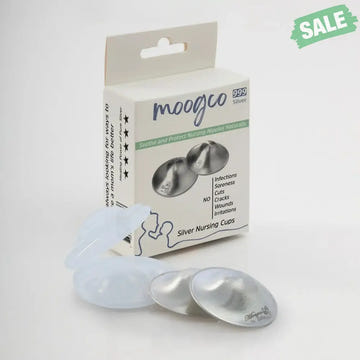
MOOGCO Silver Nursing Cups 999k Silver
$49.90
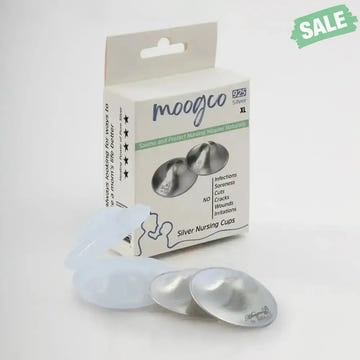
MOOGCO Silver Nursing Cups 925k Silver
$34.75
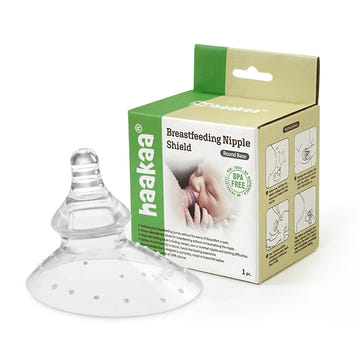
Haakaa Silicone Breastfeeding Nipple Shield Round Sh...
$19.05
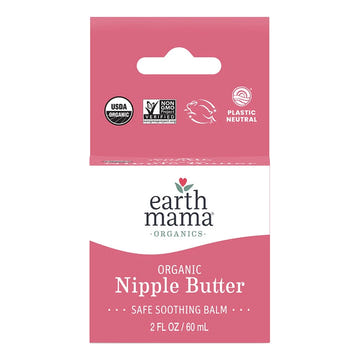
Organic Nipple Butter™ - Double-Sided for Kids
$14.99
Mastering a Pain-Free Latch and Position
Let’s be honest: a comfortable latch is the foundation of a happy breastfeeding experience. It’s hands down the most important thing for preventing nipple pain. While breastfeeding is natural, the latch itself is a skill you and your baby learn together. So, a little patience goes a long way.
When everything is working as it should, you’ll feel a gentle pulling or tugging—not a sharp, toe-curling pain. If you’re wincing or gritting your teeth for more than the first 30 seconds or so, that’s your body’s signal to adjust. The culprit is almost always a shallow latch, which is the fast track to sore, cracked, and even bleeding nipples.
What a Deep Latch Looks and Feels Like
The goal is what’s called a deep latch. Think of it like your baby is taking a huge bite of an apple, not just a tiny nibble. When they open their mouth wide, your nipple can get way back to the soft part of their palate, safely away from the hard, bony roof of their mouth.
So, how do you know you've got it right? Look for these signs:
- A Wide-Open Mouth: You want to see a big, yawning mouth that covers a good portion of your areola, not just the very tip of the nipple.
- Fish Lips: Both of their lips should be flanged out, like a little fish. You’ll probably see more of your areola above their top lip than below their bottom one.
- Chin Down, Nose Free: This is key. Your baby's chin should be pressed right into your breast, which naturally tilts their head back and keeps their nose clear for breathing.
- It Feels Right: After the first few seconds of latching, the sensation should turn into a comfortable tug. No pinching, no burning.
- You Can Hear Swallowing: Listen for soft “kah” sounds. Clicks or smacks usually mean they've lost their seal and are sucking in air instead of milk.
Here’s a little mental shift that helped me immensely: instead of trying to bring your breast to your baby, focus on bringing your baby to your breast. It puts you in control and makes guiding them into that deep latch so much easier.
Finding the Right Nursing Position
There is no one-size-fits-all "best" position. The right hold is simply the one that works for you and your baby in that moment. What feels great one day might not the next, so feel free to experiment.
For instance, if you're recovering from a C-section, you'll want a position that keeps the baby’s weight off your incision. Or if you have a really fast let-down, a more laid-back position can help your baby manage the flow without sputtering.
This infographic breaks down the core elements of nipple care, and you'll notice it all starts with getting that latch just right.

As you can see, mastering the latch is the first step, but it’s followed by soothing and support to create a sustainable routine.
Common Positions and When to Use Them
Let's walk through a few of the go-to positions and why you might choose them.
Cross-Cradle Hold This is a fantastic starting point, especially with a newborn, because it gives you so much control. You support your breast with one hand and your baby’s neck and shoulders with the opposite arm. This gives you a perfect view to help guide their mouth onto the nipple.
Football (or Clutch) Hold A real game-changer for moms who've had a C-section, have larger breasts, or are nursing twins. You tuck your baby under your arm, holding them like a football. Their body rests on your forearm, and you can use pillows to prop them up to the perfect height.
Side-Lying Position This one is a lifesaver for those middle-of-the-night feeds or when you're just plain exhausted. You and your baby lie on your sides, tummy to tummy. It’s incredibly relaxing, but just be sure to create a safe sleep space by moving any loose blankets or pillows away from the baby.
Troubleshooting Common Latching Challenges
Even with the best advice, you can still hit a few bumps in the road. Some babies have a tiny mouth or a tongue-tie that can make a deep latch tricky. Other times, a shallow latch is simply because your baby is sleepy or fussy.
If you feel that tell-tale pinch, don’t just suffer through it. Gently slide your clean pinky finger into the corner of your baby's mouth to break the suction, then reposition and try again. It’s worth the extra effort.
For those facing ongoing struggles, getting some expert advice on understanding and addressing latching difficulties in breastfeeding can offer more targeted solutions.
Remember to give yourself and your baby plenty of grace. You’re both learning, and with a little practice, you'll find your rhythm and get that comfortable latch that makes all the difference.
Your Daily Routine for Healthy Nipples
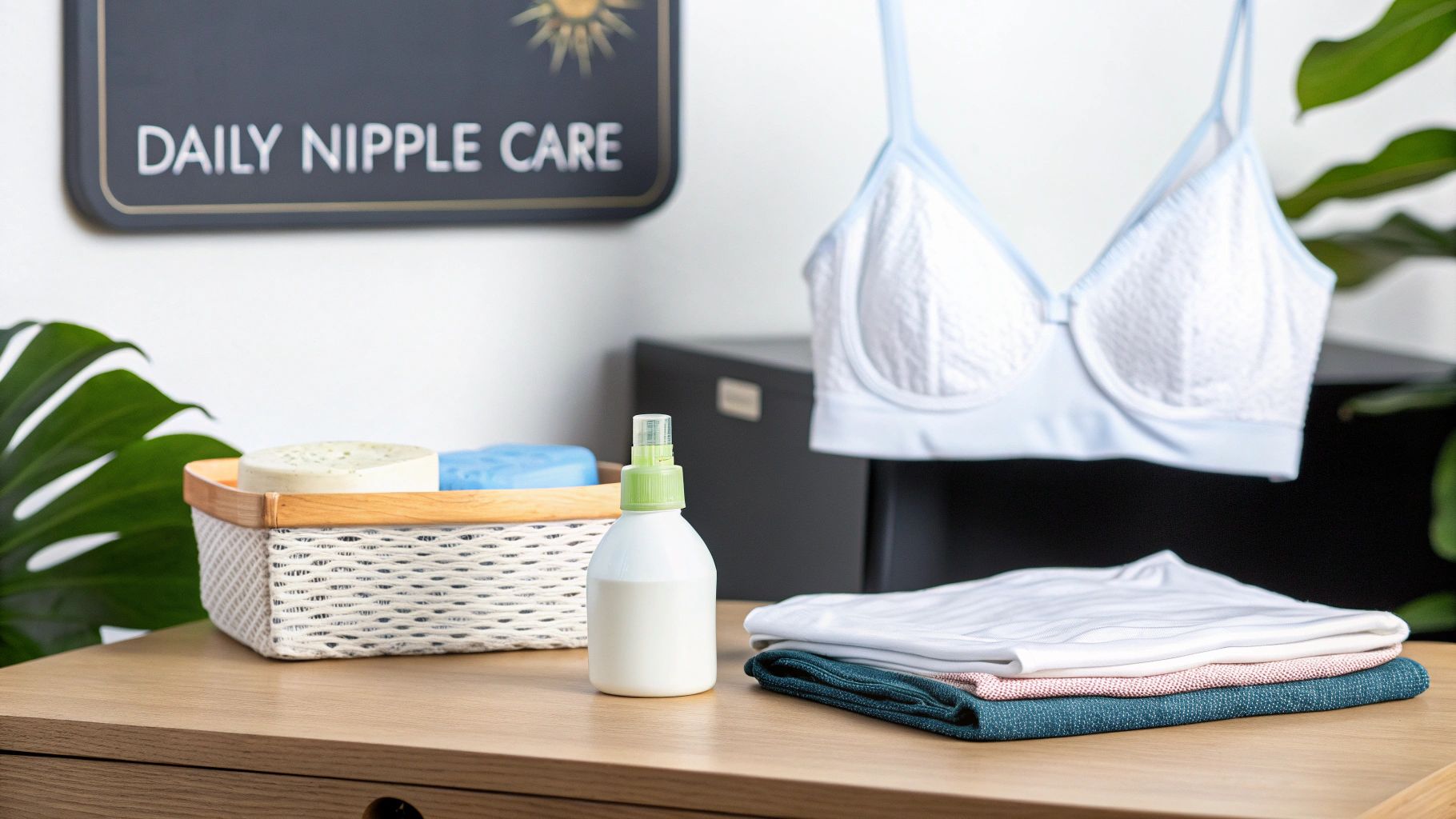
Taking care of your nipples while breastfeeding doesn't have to be a complicated chore. It's really about creating a few simple, consistent habits that protect your skin and stop soreness before it even has a chance to start. Think of it as building a gentle rhythm of care that quickly becomes second nature.
First things first, let's bust a common myth: you absolutely do not need to wash your nipples with soap before or after nursing. Your body is pretty amazing—it produces natural oils from the Montgomery glands (those little bumps on your areola) that moisturize and protect the skin. Harsh soaps just strip those essential oils away, leaving your skin dry, irritated, and much more likely to crack.
So, what should you do instead? A simple rinse with warm water during your daily shower is all it takes. This gentle approach keeps your skin’s natural protective barrier intact, which is your best defense against irritation. If you're curious to learn more about this incredibly delicate area, diving into the anatomy of the nipple and its sensitivity can be really eye-opening.
Harnessing Natural Healing After Feeds
Believe it or not, one of the best tools for nipple care is something you already have: your own breast milk. After you finish a feeding, gently express a few drops and massage them over your nipple and areola. Breast milk is packed with amazing antibacterial and healing properties that can soothe minor irritation and help repair any tiny cracks.
After applying the milk, let your nipples air-dry for a few minutes whenever you can. Getting some air on the skin helps prevent the kind of moist environment where bacteria or yeast can thrive. This simple, two-step process after each feed is a game-changer for prevention.
Allowing your nipples to air-dry after applying a bit of breast milk leverages your body's own natural healing mechanisms. It’s a simple, free, and incredibly effective strategy to maintain healthy skin.
Keeping Dry and Comfortable Between Feeds
Managing moisture is another huge part of keeping your nipples healthy. Leaking milk can leave your skin damp, which can lead to chafing and skin breakdown. This is where nursing pads are a lifesaver, but it's important to choose the right kind.
- Disposable Pads: These are super convenient, especially when you're out and about. Just try to find brands that don't have a plastic lining, as that can trap moisture and heat against your skin.
- Reusable Pads: Often made from soft, breathable materials like cotton, bamboo, or wool, these are a fantastic option for sensitive skin. They're eco-friendly and will save you money in the long run, but they do need to be washed regularly.
The golden rule? Change your nursing pads the moment they feel damp. Keeping a fresh, dry pad against your skin makes a world of difference.
Caring for Your Breastfeeding Tools
If you're using helpful tools like silver nursing cups to soothe and protect your nipples, keeping them clean is non-negotiable. These cups work by creating a healing little dome of breast milk against your skin, but they need to be cleaned properly to stay safe and effective.
Daily Cleaning for Silver Cups
Here’s a quick and easy cleaning routine to keep your silver cups in great shape:
- Rinse Daily: Give the cups a quick rinse with warm water after use to get rid of any milk residue.
- Skip the Soap: You don’t need soap for daily cleaning—it can leave behind a film.
- Deep Clean as Needed: To give them a more thorough cleaning, just mix a little baking soda with a few drops of water to form a paste. Gently rub the paste on the cups, rinse them well, and let them dry completely before using them again.
Following this simple routine ensures your cups remain a hygienic and effective part of your nipple care toolkit, giving you that much-needed comfort and protection.
More Related Picks
A few more favorites from the same collection.
Bae & Bee Boutique Cherry Shaped Nipple Shield 21mm ...
$14.00
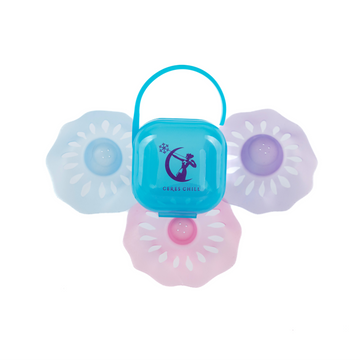
Ceres Chill Shield Maiden Nipple Shields 2pc or 3pc ...
$14.50
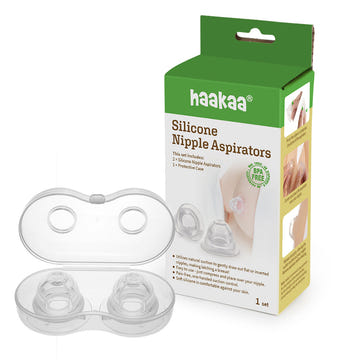
Haakaa Silicone Inverted Nipple Aspirators 2 pk
$17.99
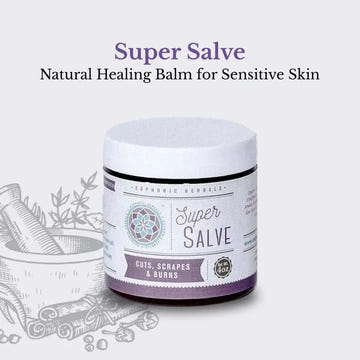
Euphoric Herbals Super Salve Nursing Salve no essent...
$10.00
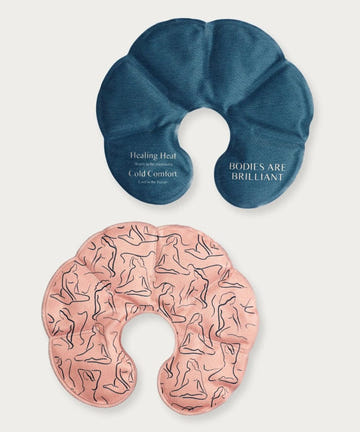
Nyssa Breast Ice and Heat Therapy Packs 8-inch Full-...
$20.00
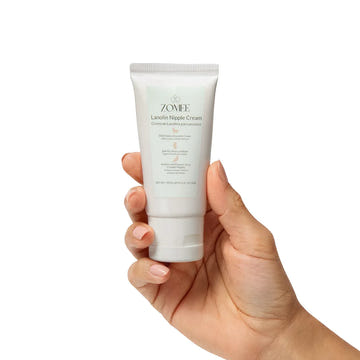
Zomee Breast Pumps Lanolin Nipple Cream
$9.99
How to Soothe and Heal Sore Nipples
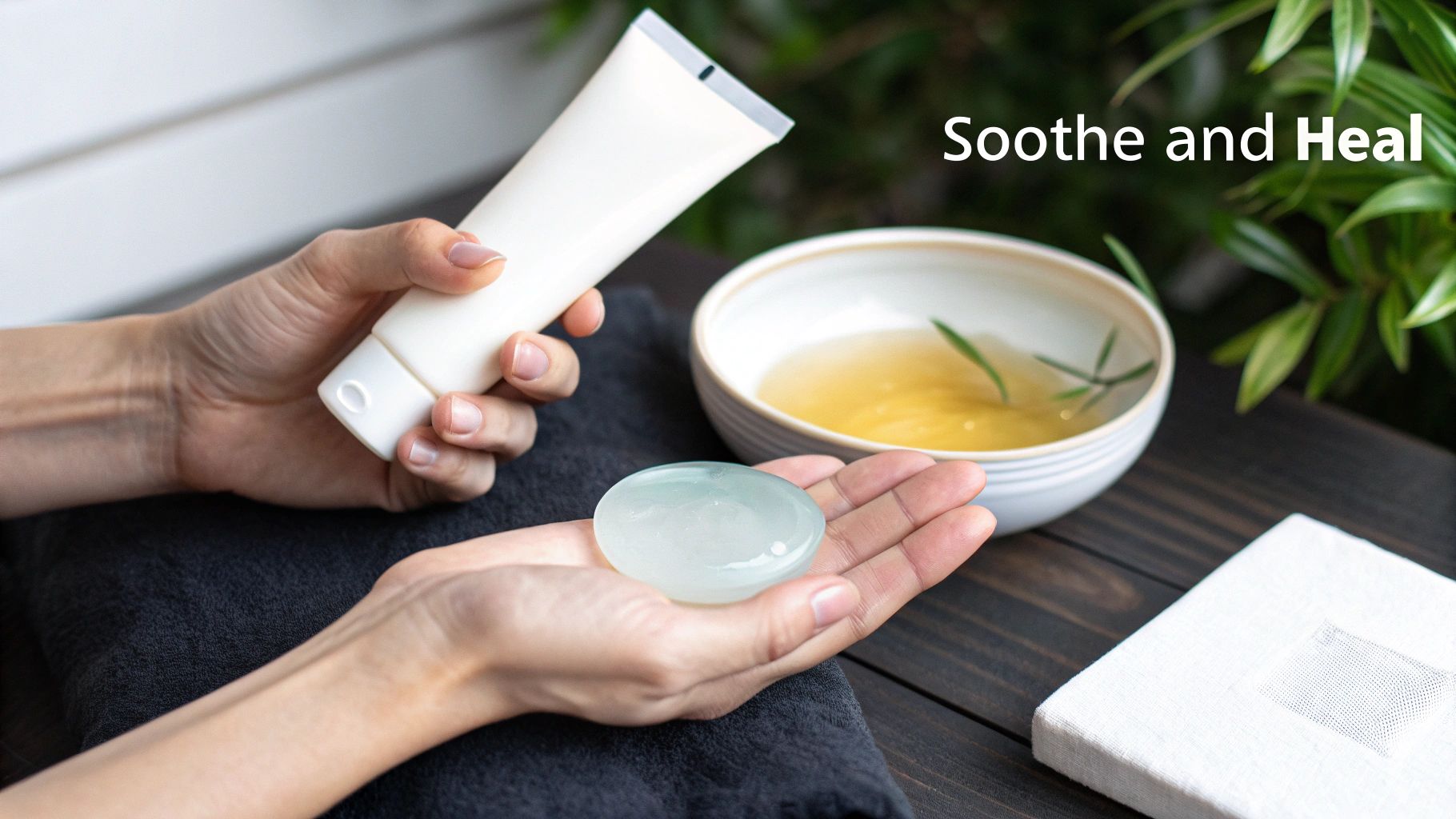
Even when you do everything right, a little soreness can still creep in. If you're dealing with nipple pain, cracks, or even bleeding, the game plan is two-fold: soothe the immediate discomfort and start healing, all while figuring out the root cause (which is almost always the latch). The good news? Your skin is amazing at repairing itself, especially with a bit of help.
This isn’t about just gritting your teeth and pushing through the pain. It's about taking gentle, smart steps to get you back to comfortable nursing. The right remedies can bring instant relief and speed up recovery, making a world of difference from one feed to the next.
Immediate Soothing Strategies
When your nipples are sore, those first few moments after your baby unlatches are critical. Your first instinct might be to cover up right away, but taking a minute for a simple care step can kickstart the healing process and feel incredibly relieving.
One of the most effective and surprisingly simple remedies is a saline soak. Just mix half a teaspoon of salt into a cup of warm water. Once it's dissolved, lean over and let your nipple soak in the solution for about a minute. The saline gently cleanses any cracks and helps reduce inflammation, and it doesn't sting.
Afterward, gently pat the area dry with a fresh, soft cloth, or better yet, just let it air-dry. This small act of kindness to your skin can feel like a mini spa moment for your very hard-working nipples.
Gentle Remedies for Healing
With your nipples clean and dry, the next step is to protect them and encourage moist wound healing—a method proven to help skin repair faster with less scarring. There are several great, baby-safe options to choose from.
- Lanolin-Free Nipple Balms: I always recommend balms with natural ingredients like calendula, olive oil, or shea butter. They're safe for your baby, which means you don’t have to wipe them off before the next feed and risk more irritation.
- Hydrogel Pads: These are a true lifesaver for so many moms. Keep them in the fridge, and they provide instant cooling relief for that burning, raw feeling. They also create the perfect moist environment to help damaged skin heal.
- Silver Nursing Cups: This is a fantastic, chemical-free option. These little cups are made of pure silver and you wear them inside your bra between feedings. They shield your sore nipples from rubbing against fabric and use the healing properties of your own breast milk to create an ideal environment for recovery. You can learn more about their benefits in our guide on the role of silver nursing cups in alleviating nipple pain during breastfeeding.
It’s important to know you're not alone. Postpartum nipple pain is incredibly common and can really affect your breastfeeding journey. Research shows that discomforts like pain, redness, and cracking are frequently reported by new mothers. Things like pre-existing skin sensitivity can raise the risks, and pain from pumping has even been linked to mothers stopping breastfeeding earlier than they planned.
Knowing When It’s More Than Just Soreness
It's crucial to know the difference between normal healing and the first signs of an infection. While some tenderness and minor cracks can be managed at home, certain symptoms are your cue to call your doctor or lactation consultant.
An infection, like thrush (a yeast infection) or a bacterial infection, won't go away on its own and requires medical treatment. Trying to power through it can lead to more severe pain and complications that could put a stop to breastfeeding altogether.
Trust your gut. If the pain feels excruciating, isn't getting better with latch fixes and home care, or you just have a feeling that something is really wrong, please seek professional advice.
Keep an eye out for these specific red flags:
- Intense, stabbing pain that shoots from the nipple deep into your breast, especially if it lingers long after the feed is over.
- Nipples that look shiny, flaky, or have a bright red rash or tiny white spots.
- Cracks that just aren't healing after a few days of diligent care.
- Any pus or yellowish discharge coming from a crack or blister.
- You develop a fever, body aches, or a red, wedge-shaped patch on your breast, which could be a sign of mastitis.
If you spot any of these symptoms, don't wait. Getting a proper diagnosis and the right treatment is the fastest path back to comfort, protecting both your health and your milk supply. Acting quickly can make all the difference.
Knowing When to Ask for Professional Help
While you can manage a lot of nipple soreness at home with a few adjustments, it's just as important to know when to call in a professional. Think of it less like hitting a panic button and more like adding an expert to your team. Reaching out isn’t a sign that you’re doing something wrong; it’s a smart move to protect your health and your breastfeeding journey.
Sometimes, persistent pain is a signal that there’s an underlying issue that goes beyond a simple latch fix. Ignoring these signs can unfortunately lead to bigger problems down the road, like a drop in your milk supply or even an infection. Knowing when to get a second opinion is a huge part of taking care of yourself.
Red Flags That Warrant a Call
Some symptoms are more than just the typical "breaking in" discomfort. If you're experiencing any of the following, it’s time to get in touch with an International Board Certified Lactation Consultant (IBCLC) or your healthcare provider. Don't wait.
- Pain That Just Won't Quit: You’ve tried different positions and worked on the latch, but every feeding is still excruciating. If the pain lasts longer than the first 30-60 seconds of a feed and isn't getting better, that's a major red flag.
- Signs of Infection: Be on the lookout for fever, body aches, or a hot, red, wedge-shaped patch on your breast—these are classic signs of mastitis. Also, watch for nipples that look bright pink and shiny, or have cracks that are oozing or look infected.
- Nipple Damage Isn't Healing: If your cracks or blisters show no signs of improvement after a few days of careful home treatment, something else is likely going on. Once you fix the root cause, healing should start.
- Concerns About Your Baby: Do you suspect your baby might have a tongue-tie or lip-tie that’s preventing a deep latch? An expert needs to take a look.
Getting professional help early on is one of the best things you can do for yourself and your baby. An IBCLC can often spot subtle issues in a single visit that can completely transform your breastfeeding experience from painful to enjoyable.
What to Expect from a Lactation Consultation
A consultation might sound a bit formal, but it's really a supportive, hands-on session. An IBCLC will want to hear your whole story—what you've been experiencing, what you've already tried, and what your goals are. Most importantly, they will watch you feed your baby from start to finish.
This observation is the key. They’ll see how your baby approaches the breast, how they latch on, and what your nipple looks like right after your baby comes off. From there, they can offer real-time, gentle guidance—suggesting tiny tweaks to your position or your baby's head alignment that can make an immediate difference. They are also trained to assess your baby’s mouth for any physical issues, like a tongue-tie.
Nipple pain is a major hurdle for many mothers. The World Health Organization reports that only about 44% of infants are exclusively breastfed for the first six months, and nipple injuries are a significant reason why many stop sooner than they planned. This is exactly why expert support is so critical. A UK-developed pathway for nipple care emphasized just how vital early education and support are for both preventing and managing these issues. You can find more details about this evidence-based nipple care approach here.
Your Breastfeeding Nipple Care Questions, Answered
When you're starting out with breastfeeding, it feels like a million questions pop into your head, often in the middle of the night. What's "normal" pain? How do I use these little silver cups everyone talks about? Getting clear, straightforward answers can make a world of difference.
Let's dive into some of the most common questions I hear from new moms. Think of this as your quick-reference guide to navigate those early hurdles with a bit more confidence.
Is It Normal for My Nipples to Hurt at First?
This is the big one, and the answer isn't a simple yes or no. In those first few weeks, it's pretty common to feel some initial tenderness or even a sharp, stinging sensation for about 30 to 60 seconds when your baby first latches. That initial feeling should fade quickly as they settle in and start drinking.
However, what’s not normal is toe-curling, wince-inducing pain that lasts the entire feed. If you find yourself dreading the next nursing session, or if you see any cracks or bleeding, that’s a clear sign something is off. Almost every time, this points to a shallow latch—your nipple is getting pinched against the hard roof of your baby’s mouth instead of resting comfortably back on their soft palate.
If it hurts, don't just grit your teeth and push through it. Gently break the latch with your pinky finger and try again. A quick session with a lactation consultant can be a game-changer; often, a tiny adjustment is all it takes for immediate relief.
Can I Still Breastfeed with Cracked or Bleeding Nipples?
Absolutely. In fact, it's usually best to keep nursing. Stopping suddenly can open the door to other painful problems like engorgement or mastitis, which will only make things harder.
The trick is to tackle two things at once: fix the root cause (almost always the latch) while you actively help your nipples heal. After each feeding, hand-express a few drops of your own milk, gently rub it onto your nipples, and let them air-dry completely. A good, lanolin-free nipple balm can also create a soothing, protective barrier.
A little pro-tip: Start the feed on your less-sore breast. Your baby’s initial sucking is usually the most powerful, so this gives the more sensitive nipple a gentler start after your milk has let down. If the cracks aren't getting better after a few days or look infected, it's time to call your doctor.
How Do I Use and Clean Silver Nursing Cups?
Silver nursing cups are a fantastic, chemical-free tool for protecting and healing sore nipples. And thankfully, they're incredibly simple to use. After you finish nursing, just express a drop or two of breast milk into each cup and place them directly over your nipples inside your bra. That’s it! The cups act as a shield against friction from your clothing and use the natural healing power of your milk to soothe your skin.
Cleaning them is just as straightforward.
- For daily cleaning: Just give the cups a quick rinse with warm water to wash away any milk residue. No soap needed.
- For a deeper clean: To keep them pristine, mix a little baking soda with a few drops of water to form a paste. Gently rub the paste all over the cups, rinse them well, and dry them completely before using them again.
This simple routine keeps your cups hygienic and ready to go throughout your entire breastfeeding journey.
What Is Nipple Vasospasm and How Do I Deal with It?
Nipple vasospasm is that sharp, burning, or pins-and-needles pain you might feel when the blood vessels in your nipple suddenly tighten up. It's often triggered by a shallow latch compressing the nipple or by a sudden change in temperature (like when your baby unlatches in a cool room). You might even see your nipple turn white, then blue or red, as the blood flow returns.
The number one thing you can do to manage vasospasm is to work on getting a deep, comfortable latch. This prevents the compression that causes the problem in the first place.
Right after a feed, apply dry warmth immediately. Cupping your hand over your nipple or pressing a warm, dry washcloth against it can help the blood vessels relax. Try to avoid letting your nipples air-dry in a chilly room. If the pain is persistent even with these tricks, it's a good idea to chat with your healthcare provider about other options.
At MoogCo, we know that a comfortable breastfeeding experience is everything—for you and your baby. Our Original Silver Nursing Cups are designed to offer natural, effective relief and protection, so you can focus on what truly matters.
Discover how our silver cups can help soothe and heal, making your nursing journey a more positive one. Explore MoogCo Silver Nursing Cups today.
Bring this guide home with $15 off.
Use code BABY15 for $15 off →
Find a lactation consultant near you
An IBCLC (International Board Certified Lactation Consultant) is the specialist for exactly this kind of problem. Many do home visits or video calls, and many accept insurance. These are good places to start:
- USLCA Find an IBCLC: a US directory you can search by zip code, including virtual visits.
- ILCA lactation consultant map: the international association's directory.
- IBCLC public registry: check that a consultant's certification is current.
- La Leche League USA: free local and online support from trained volunteer leaders.
- WIC breastfeeding support: free peer counselors, and often IBCLCs, if you qualify.
Practices we work with
- Pacifica Family Maternity Center: Berkeley, CA
- Nurturing Nectar: Long Beach, CA
- The Lactation RN: San Clemente, CA
- Restored Physique: Tustin, CA
- Lawrence Birth and Wellness: Lawrence, KS
- New England Doula Support: Foxborough, MA
- Queen City Doulas: Charlotte, NC
- Shiry Weinstein, IBCLC: Bergen County, NJ
- Back To Me Physical Therapy: Cedar Knolls (Morristown area), NJ
- Mary Lou Moramarco, IBCLC: Central NJ, NJ
- Moon Sage Mama: Media, PA
- Mooch Lactation Co: Austin, TX
Most US health plans must cover breastfeeding support and counseling. See what Healthcare.gov says, then call your plan and ask which lactation consultants are in network.
Frequently Asked Questions
How Often Should I Actually Be Nursing My Newborn?
In those early weeks, expect to nurse 8 to 12 times in a 24-hour period, sometimes even more during growth spurts. Your baby's stomach is tiny, so they need frequent, small feeds. This frequent nursing also helps establish your milk supply and keeps your nipples from getting overly engorged, which can actually make latching harder and more painful.
Should I Wash My Nipples Before and After Every Feed?
No, you really don't need to. Your body produces natural oils that protect and moisturize your nipples, and over-washing can actually strip those away and cause dryness. A simple daily shower with warm water is plenty. If you've applied a balm or cream, there's no need to wash it off before nursing, just make sure it's a safe, food-grade product.
What's the Deal with Letting Breast Milk Air Dry on My Nipples?
Breast milk is packed with antibacterial and healing properties, so expressing a few drops and gently rubbing them on your nipples after a feed can be incredibly soothing. Let them air dry for a few minutes before covering up. This simple trick can speed up healing and provide a protective barrier, and it's completely free and always on hand.
Can My Baby's Tongue-Tie Really Cause My Nipple Pain?
Absolutely, yes. A tongue-tie restricts how far your baby can extend their tongue, which can prevent them from achieving that deep latch you need. Instead, they end up compressing your nipple against the roof of their mouth, leading to pain, damage, and poor milk transfer. If you suspect a tongue-tie, ask your pediatrician or a lactation consultant to evaluate your baby.
How Long Does It Take for Sore Nipples to Heal?
With the right care and a good latch, you should start to feel some relief within a few days to a week. If you're addressing the root cause, like fixing a shallow latch or treating an infection, healing can happen surprisingly fast. However, if pain persists beyond two weeks or gets worse, it's time to reach out to a lactation consultant or your healthcare provider.
Is It Safe to Use Lanolin-Free Nipple Creams?
Yes, there are many excellent lanolin-free options available, especially for moms who have a wool allergy or prefer plant-based products. Look for balms made with coconut oil, shea butter, or other natural ingredients that are safe for baby to ingest. Always check that the product is specifically labeled as safe for breastfeeding and doesn't require washing off before nursing.
When Should I Be Worried About a Breast Infection?
If you notice a red, warm, or swollen area on your breast, combined with flu-like symptoms such as fever, chills, or body aches, you might be dealing with mastitis. This is a breast infection that needs prompt attention. Don't try to tough it out at home. Contact your doctor right away, as you'll likely need antibiotics, and you can absolutely continue nursing while you're being treated.
Can Pumping Cause Nipple Damage Too?
Yes, it definitely can if your pump flange doesn't fit properly or the suction is set too high. Your nipple should move freely in and out of the tunnel without rubbing the sides. If you're feeling pain, seeing your nipple turn white, or noticing cracks after pumping, it's time to reassess your flange size and dial back the suction level to a comfortable setting.
From Moogco Studio
Printable and personalized nursery essentials. Designed by moms for moms.


About the Editor
Eda Ulger is a co-founder of Moogco Baby, the editor of the Moogco Baby Journal, and a mom of two. She curates and edits our guides so every piece is honest, practical, and genuinely helpful for the early days of motherhood.
Shop This Story
Picks related to this guide, ready to ship from Moogco.
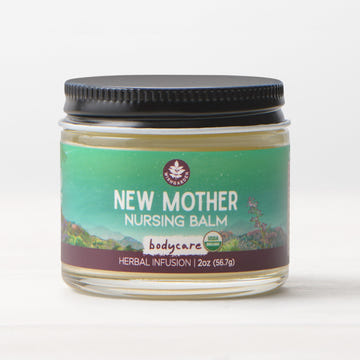
WishGarden Herbs New Mother Nursing Balm USDA Organic
$14.99
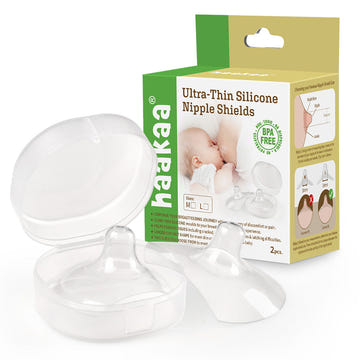
Haakaa Silicone Nipple Shields 2-pack 18 mm
$13.93
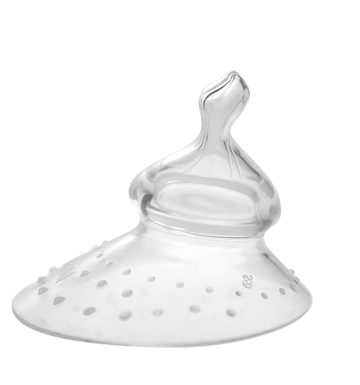
Haakaa Silicone Breastfeeding Nipple Shield 1 PK 28m...
$18.99
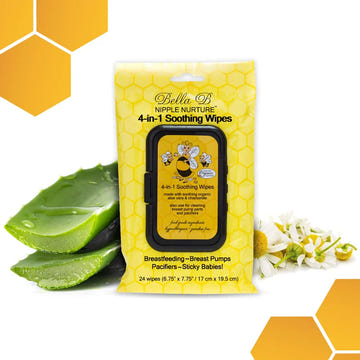
Bella B Nipple Nurture 4-in-1 Soothing Wipes
$5.99

Silver Soothing Nipple Shields
$39.99
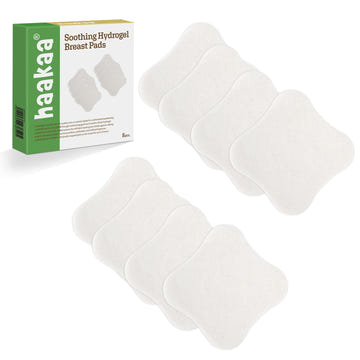
Haakaa Soothing Hydrogel Breast Pads
$9.99
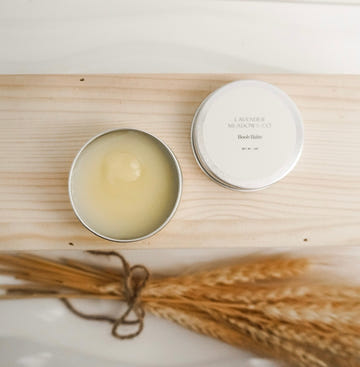
Lavender Meadows Co Boob Balm 1oz breastfeeding nipp...
$12.00

Nēmah Renewing Nipple + Lip Balm calendula multi-use
$24.00
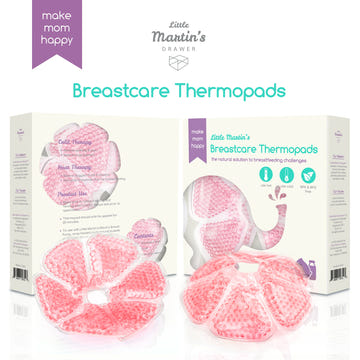
Little Martin's Drawer Breast Care Thermopads Hot Co...
$18.99
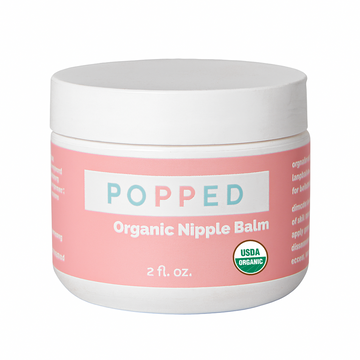
Popped Organic Nipple Balm 2 oz Unscented Lanolin-Free
$12.99