


Introducing solid foods is an exciting milestone in your baby’s journey. As your little one moves from exclusive breastfeeding or formula to trying their first bites, having the right essentials can make mealtime smoother, safer, and more enjoyable for both baby and parent.
From choosing the right utensils to ensuring a mess-free experience, here’s a guide on what to buy when your baby starts eating solids.
1. Baby-Friendly Feeding Sets
Your baby’s first meals will be an adventure—sometimes messy, often adorable! Choosing the right feeding set is essential for a comfortable and stress-free mealtime. Look for:
✔️ Silicone Bowls & Plates – Suction-based to prevent spills.
✔️ Soft-Tipped Spoons – Gentle on baby’s gums.
✔️ Training Cups – Helps transition from bottle or breast to independent drinking.
2. High Chair or Booster Seat
A safe and supportive high chair or booster seat will make feeding time easier. Look for:
🪑 Adjustable height – So your baby can sit comfortably.
🛡️ Easy-to-clean surfaces – Because mealtime WILL get messy.
🛏 Foldable options – Great for small spaces or travel.
Check High Chairs here
3. Silicone Bibs & Waterproof Mats
Mealtime can turn into a messy masterpiece! Protect your baby’s clothes and your floors with:
👶 Silicone Bibs with Catchers – Prevent food from falling on laps.
🧼 Waterproof Feeding Mats – Easy to clean and perfect for under the high chair.
4. Baby Food Prep & Storage
If you plan to make homemade baby food, having the right tools is key. Consider:
🥕 Baby Food Makers – Steam, blend, and puree in one device.
❄️ Silicone Freezer Trays – Perfect for storing pre-made baby food.
🥄 Portable Snack Containers – Great for on-the-go meals.
5. Organic Baby Food & Snacks
Even if you opt for store-bought baby food, choosing organic, non-GMO options ensures a healthier start. Look for:
🥣 Single-ingredient purees – Like apples, carrots, and sweet potatoes.
🍌 Soft, easy-to-eat snacks – Perfect for tiny hands.
🚼 Teething biscuits – Help soothe gums while introducing new textures.
The Role of Moogco Silver Nursing Cups
Even as you introduce solids, breastfeeding remains an important part of your baby’s nutrition. Some moms continue nursing alongside solid foods, which can sometimes lead to nipple discomfort.
✨ Moogco Silver Nursing Cups provide natural relief by harnessing silver’s antibacterial properties, promoting soothing and healing during breastfeeding.
Why Shop at Moogco Baby?
Moogco Baby offers a range of safe, baby-friendly feeding essentials, from silicone bowls to bibs, making mealtime easier and stress-free. Whether you’re stocking up on first-feeding supplies or looking for nursing comfort solutions, Moogco Baby has it all in one place.
🎁 Find everything you need here: Moogco Baby Feeding Essentials
Starting solids is a new adventure for your baby—make it fun, safe, and easy with the right tools. Happy feeding! 🍎🥕💕
Bring this guide home with $15 off.
Use code READER15 for $15 off →
Featured pick from Moogco
4-in-1 Convertible Baby High Chair with Removable Double Tray
$47.99 $122.00
Shop this pick → Frequently Asked Questions
When should I start introducing solid foods to my baby?
Most babies are ready for solid foods around 6 months of age, when they can sit up with support, show interest in food, and have good head control. Look for signs like reaching for your food or opening their mouth when a spoon approaches. Always consult your pediatrician before starting solids to ensure your baby is developmentally ready.

What are the best first foods to give my baby?
Single-ingredient purees like sweet potato, avocado, banana, or iron-fortified infant cereal are excellent first foods. These are easy to digest and allow you to watch for any allergic reactions. Introduce one new food at a time and wait 3 to 5 days before trying another to monitor for sensitivities.
Bottles, bowls, and baby-led picks
Mealtime, simplified
Take $15 off at checkout, applied automatically when you shop through this link.
Shop with READER15 →Free US shipping over $100. Code applies automatically at checkout.
How do I know if my baby is having an allergic reaction to a new food?
Watch for signs like hives, rash, vomiting, diarrhea, or difficulty breathing after introducing a new food. Mild reactions like a little redness around the mouth are common and not usually serious. If you notice severe symptoms or swelling, contact your pediatrician immediately or seek emergency care.
Should I make my own baby food or buy it from the store?
Both options are perfectly fine! Homemade baby food allows you to control ingredients and often costs less, while store-bought varieties offer convenience and safety testing. If buying premade, choose organic, single-ingredient purees without added sugar or salt. Mix and match based on your lifestyle and preferences.
How often should I feed my baby solids in the beginning?
Start with one meal per day, offering just a teaspoon or two of food. As your baby gets comfortable with eating, gradually increase to two or three meals daily over the next few months. Breast milk or formula should still be the primary source of nutrition during the first year.
What type of spoon is safest for my baby's first feedings?
Soft-tipped silicone or rubber spoons are ideal because they're gentle on your baby's sensitive gums and emerging teeth. Avoid metal spoons, which can be hard and uncomfortable. Look for spoons with shallow bowls and easy-grip handles that make self-feeding attempts easier as your baby grows.
Can I continue breastfeeding after my baby starts eating solids?
Absolutely! Breastfeeding and solid foods complement each other beautifully during the first year and beyond. Breast milk remains a vital source of nutrition, antibodies, and comfort even as your baby explores new tastes and textures. Many moms nurse well into toddlerhood while offering a varied diet of solid foods.
How do I prevent choking when my baby starts solids?
Always supervise your baby during meals and ensure they're sitting upright in a high chair. Start with smooth purees, then move to mashed and soft finger foods as they develop chewing skills. Avoid hard, round, or sticky foods like whole grapes, nuts, popcorn, and chunks of meat until your child is older and can chew well.
From Moogco Studio
Printable and personalized nursery essentials. Designed by moms for moms.


About the Editor
Eda Ulger is the editor at Moogco Baby and a mom of two. She curates and edits our guides so every piece is honest, practical, and genuinely helpful for the early days of motherhood.
Shop This Story
Picks related to this guide, ready to ship from Moogco.
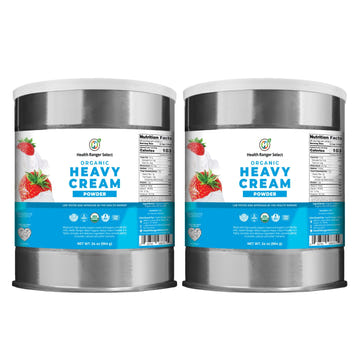
Organic Heavy Cream Powder (34oz, #10 Can) (2-Pack)
$159.95
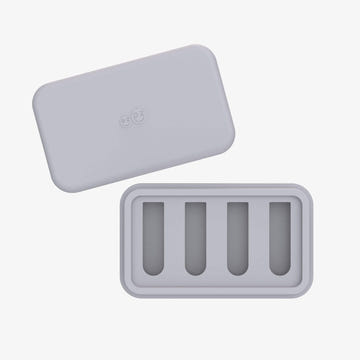
Ice Tray for the Baby-Led™ Gumline Feeder
$9.99
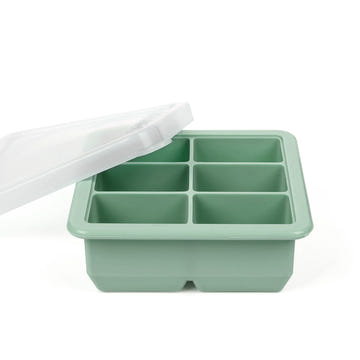
Haakaa Baby Food and Breast Milk Freezer Tray
$17.43
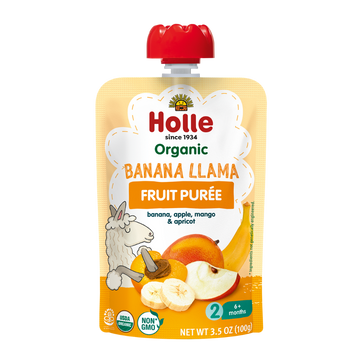
Holle Organic Banana Llama - Fruit Purée Pouches
$39.99
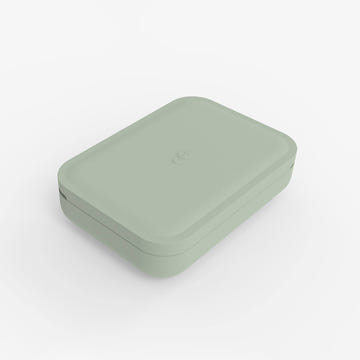
Baby-Led Weaning Travel Box
$19.99
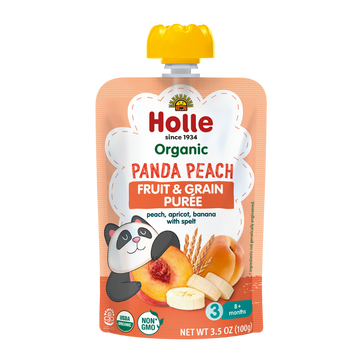
Holle Organic Panda Peach - Fruit & Grain Purée Pouches
$39.99
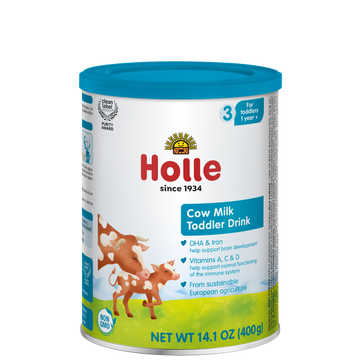
Holle Cow Milk Toddler Drink | Stage 3 (14 oz)
$29.99
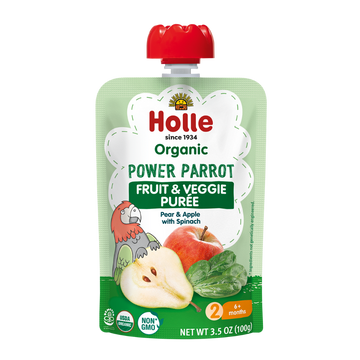
Holle Organic Power Parrot - Fruit & Veggie Purée Po...
$39.99
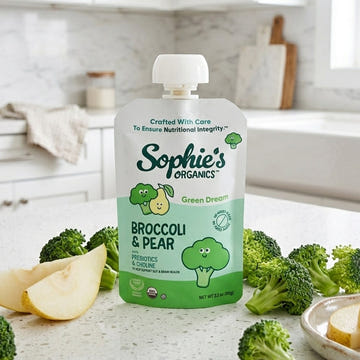
Green Dream Organic Pouches (6 pack)
$24.99
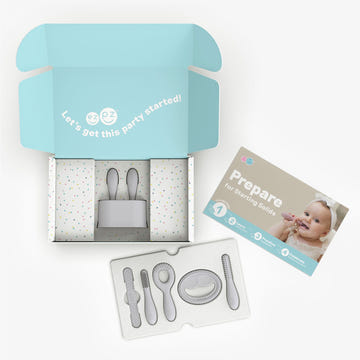
Kit 1 - Prepare for Starting Solids
$50.00