


When you start thinking about the best baby furniture, it's easy to get lost in a sea of options. But really, it boils down to finding pieces that are safe, practical for your daily life, and match the cozy vibe you’re dreaming of. Most parents find their "must-haves" are a solid convertible crib, a good dresser that can double as a changing station, and a super comfy glider for all those late-night snuggles.
Let's Build Your Dream Nursery, Together
Welcome to one of the most heartwarming parts of getting ready for your little one! Picking out furniture for the nursery is a special milestone. It can also feel a bit daunting with so many choices to make, but don't worry. Think of this guide as a chat with a friend who's been there, ready to walk you through it all.

We're going to break down the essentials—from the crib to the changing table to that perfect nursing chair—into simple, easy-to-digest pieces. The goal here is to swap that feeling of overwhelm for the confidence you need to create a nursery that's safe, functional, and genuinely beautiful. This is your roadmap to building a space where you and your baby will share so many firsts.
Free US shipping over $100
Real essentials, picked by real moms
Take 25% off at checkout, applied automatically when you shop through this link.
Shop with READER25 →Free US shipping over $100. Code applies automatically at checkout.
From Feeling Stressed to Feeling Blessed
Creating this special room is about so much more than just picking out cute furniture. It's about designing a space that supports you, too, especially during those challenging first few months. A dedicated, comfortable corner for feeding, for example, can be an absolute game-changer.
We heard from one mom, Sarah, who was just about ready to stop breastfeeding because of the pain and soreness. Just the thought of the next feeding filled her with dread. She decided to create a little sanctuary for herself with a supportive glider and, on a friend's recommendation, tried Moogco Silver Nursing Cups. The natural silver brought instant relief and helped her heal, turning a painful chore back into precious bonding time.
This whole process is about building a sanctuary. It’s a space where both you and your baby can truly relax and thrive, surrounded by things that bring you comfort and peace of mind.
For a bird's-eye view of everything you might need, our complete checklist of baby nursery must-haves is a great place to start. It’ll help you feel organized as we dive into the details of choosing each perfect piece for your baby’s new room.
Picks From This Story
Picks related to this guide, ready to ship from Moogco.
Swaddelini Grey Swaddle Sleep Sack 3D Knit Seamless ...
$54.95

Swaddelini Lavender Swaddle Sleep Sack 3D knit light...
$54.95

Swaddelini Pink Swaddle Sleep Sack 3D Knit Seamless
$54.95
Swaddelini Bamboo Blend Beige Swaddle Sleep Sack 3D-...
$69.95

Swaddelini Blue Swaddle Sleep Sack 3D Knit Seamless
$54.95
Wendy Anne Organic Cotton Futon Pad Rectangle Custom...
$69.00
Decoding Safety Standards and Materials
It’s so easy to get swept up in the fun of choosing adorable nursery themes and color schemes. I get it! But before you start matching swatches, let's talk about the single most important thing: safety. Creating a secure, worry-free space for your baby to sleep, play, and grow is the real foundation of a perfect nursery.
What Do Those Safety Labels Actually Mean?
When you start shopping, you’ll see a bunch of acronyms like JPMA and GREENGUARD Gold. It can feel a bit like alphabet soup, but think of them as your friendly neighborhood safety experts giving a product their stamp of approval.
- JPMA (Juvenile Products Manufacturers Association): Seeing this seal means the furniture has been independently tested to meet or exceed the highest safety standards. It’s a quick way to know the piece is built to be sturdy, safe, and reliable for your little one.
- GREENGUARD Gold: This one is all about air quality. GREENGUARD Gold certification means a product has been rigorously tested for over 10,000 chemicals and volatile organic compounds (VOCs). Since babies are so sensitive, this certification gives you peace of mind that you're creating a truly healthy environment, free from harmful off-gassing.
Choosing furniture with these certifications is one of the best moves you can make. If you're passionate about creating a completely healthy space, you'll also love our guide to the best organic baby products for more ideas.
The focus on safety isn't just a trend; it's a huge shift in the industry. The nursery furniture market is expected to hit USD 10.9 billion by 2025, driven largely by parents like you who prioritize infant sleep health and demand stricter safety standards.
This infographic does a great job of breaking down the nursery into its core zones—sleep, changing, and comfort—showing how each piece of furniture plays a vital role.
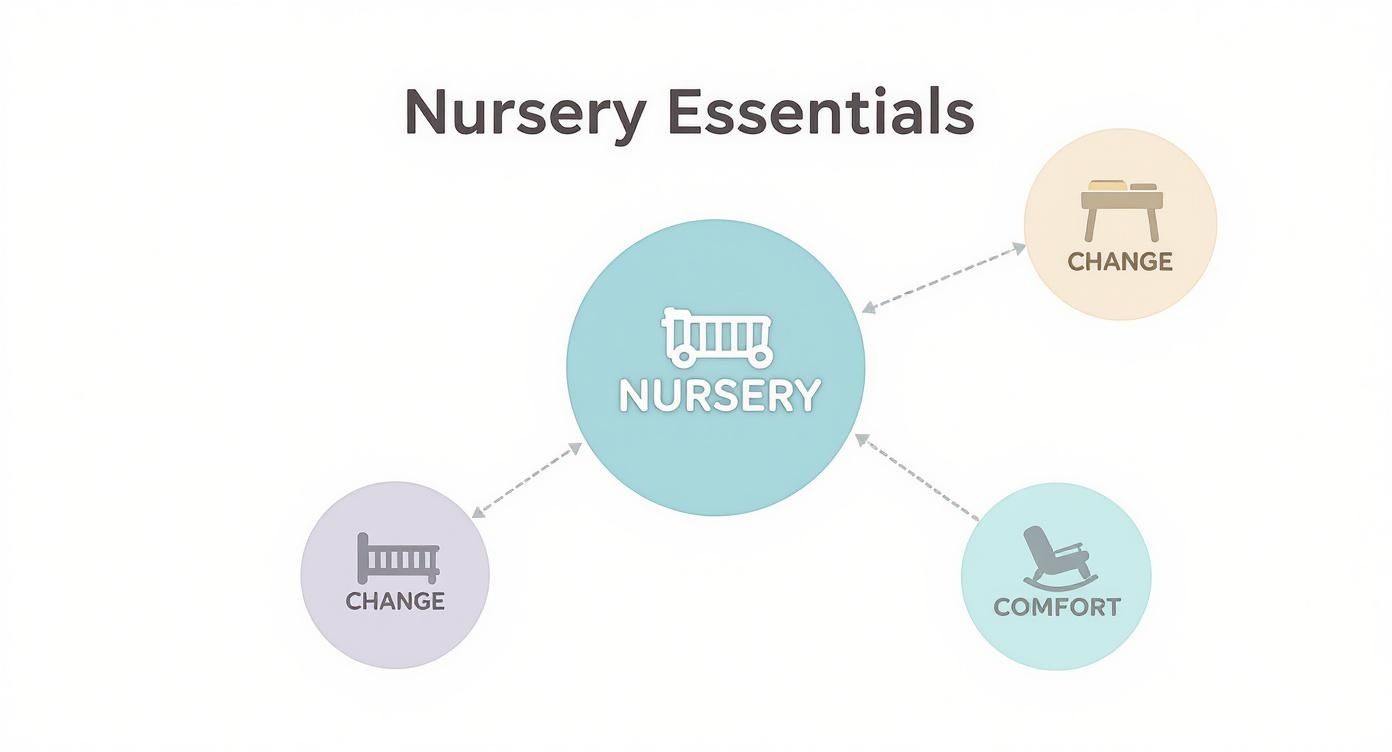
As you can see, every item is there to support one of your baby’s fundamental needs, which is why choosing the right ones is so important.
A Guide to Nursery Furniture Materials
The material your furniture is made from affects everything from its sturdiness and safety to its overall cost. Let's break down the most common options to help you find the perfect fit for your family.
Baby Furniture Material Comparison
| Material | Pros | Cons | Best For |
|---|---|---|---|
| Solid Wood | Extremely durable, long-lasting, stable, can be refinished. | Heavier, more expensive upfront, can show scratches. | Families looking for a "forever furniture" investment piece. |
| Engineered Wood (MDF) | Budget-friendly, smooth surface for painted finishes, lightweight. | Less durable, can be damaged by water, may contain VOCs. | Parents wanting a specific color or style at a lower price point. |
| Metal | Modern aesthetic, very durable, easy to clean. | Can feel cold, fewer traditional style options. | Nurseries with a contemporary or industrial design theme. |
| Natural Fibers (Rattan, Wicker) | Lightweight, adds texture and a bohemian vibe. | Can be harder to clean, may not be as sturdy as wood. | Accent pieces like bassinets or decorative storage baskets. |
No matter what material you lean toward, always check that any paints or finishes are certified non-toxic and lead-free.
When you're in the store, don't be shy about doing a quick inspection. Run your hand over the surfaces to feel for splinters. Give the furniture a gentle shake—it shouldn’t wobble at all. These little checks can make a big difference.
A truly safe nursery is one where every piece of furniture has been chosen with care, inspected for quality, and certified to be free of harmful chemicals. This attention to detail is what transforms a room into a genuine safe haven for your baby.
How to Choose the Perfect Crib and Mattress
The crib is the absolute heart of the nursery. It’s where your little one will spend so many hours dreaming and growing, which easily makes it one of the most important—and emotional—purchases you'll make. Finding the right one is all about striking that perfect balance between safety, your personal style, and how it will serve your family down the road.
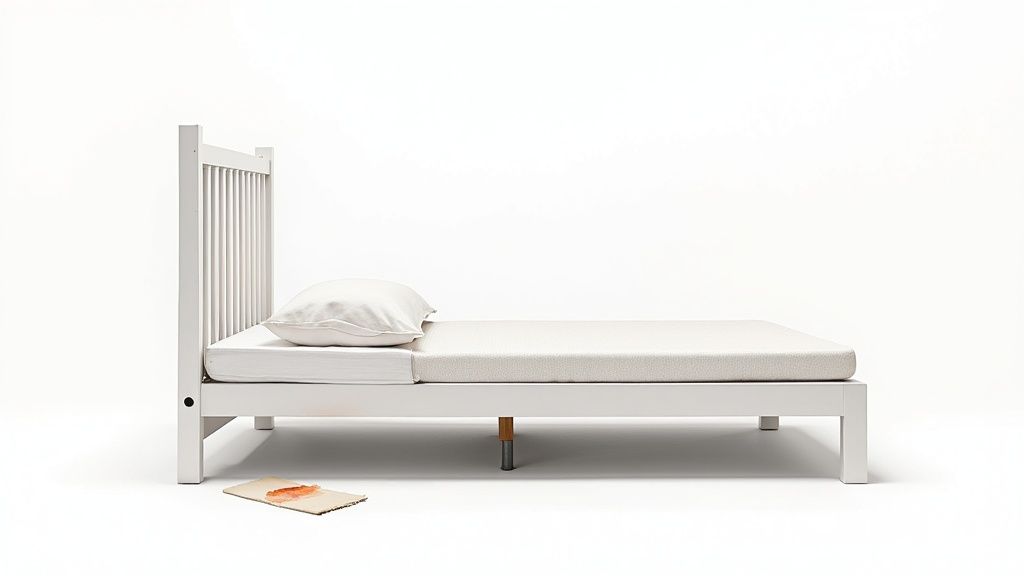
This isn’t just a small purchase, either. The global baby furniture market was recently valued at around USD 38.6 billion, and it's on the rise. Cribs alone make up a huge chunk of that—about 32.5% of the market share. What’s driving this? Parents are looking for smart, multi-functional pieces that can grow with their child.
Finding the Right Crib Style for Your Family
Cribs aren't one-size-fits-all. They generally come in three main flavors, and the best one for you really depends on your space, budget, and long-term plans. Let's break down what that actually means for you.
- Standard Cribs: This is your classic, no-fuss option. It’s built to do one job perfectly: provide a safe sleep spot from the day you bring your baby home until they’re ready for a big-kid bed.
- Mini Cribs: Living in a smaller apartment or want to keep the baby in your room for the first few months? A mini crib is a brilliant solution. It has all the safety of a full-size crib but in a much more compact package.
- Convertible Cribs: Think of this as the ultimate long-term investment. These clever designs transform from a crib into a toddler bed, then a daybed, and sometimes even a full-size bed. One purchase can literally last from infancy through the teen years.
Convertible cribs are incredibly popular for a reason—they offer amazing value. The upfront cost might be a bit higher, but you save yourself the money and hassle of buying new beds every few years. Hot tip: if you go this route, purchase the conversion kits at the same time you buy the crib. You'll thank yourself later if the model gets discontinued.
The Foundation of Safe Sleep: The Mattress
Okay, so you've picked a crib. Now for its essential partner: the mattress. This is not a place to skimp. A high-quality mattress is absolutely critical for your baby's safety and comfort.
There are two non-negotiable rules for a crib mattress: it must be firm, and it must fit snugly. You shouldn’t be able to fit more than two fingers between the mattress and the crib frame. This tight fit is crucial for preventing any dangerous gaps where a baby could get trapped.
A firm, snug-fitting mattress is the golden rule of a safe sleep environment. It supports your baby's developing body and provides vital protection when you're not in the room.
When you start shopping, you'll find two main types of mattresses:
- Foam Mattresses: These are generally lighter (which is great for changing sheets!) and often more affordable. Just make sure you choose a high-density foam that feels firm and bounces back when you press on it.
- Innerspring Mattresses: Built more like a traditional adult mattress, these are heavier and very durable. They use a network of steel coils for support. As a rule of thumb, more coils and thicker steel mean a firmer, longer-lasting mattress.
A great mattress is a cornerstone of good sleep hygiene. For more ideas on setting up the perfect snoozing space, take a look at our guide to the best baby sleep products that real parents swear by.
Essential Crib Features to Look For
Beyond the basic style and mattress, a couple of other features make a world of difference in a crib’s safety and day-to-day usability. First and foremost, make sure any crib you consider has fixed sides. Drop-side cribs were banned years ago for serious safety reasons, so you should only see them in second-hand markets—which is why buying a new crib is always the safest bet.
Another feature that you will absolutely love is an adjustable mattress height. When you have a tiny newborn, the higher setting saves your back during those countless gentle lay-downs. Then, as your baby gets bigger and starts to pull up, you can simply lower the mattress to keep them safely contained. It’s a simple, brilliant feature that makes the crib work for you through every stage.
More Related Picks
A few more favorites from the same collection.
Swaddelini Orange Swaddle Sleep Sack 3D Knit Seamless
$54.95
Organic Cotton Futon Mattress Topper Pad - Custom Si...
$69.00
Kids Picnic Table and Bench Set with Cushions and He...
$105.99
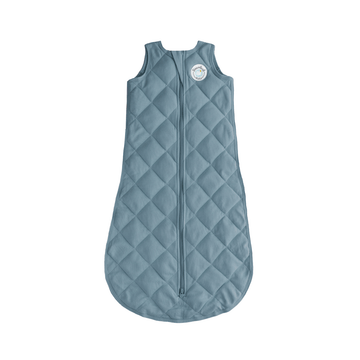
Dreamland Baby Dream Weighted Sleep Sack 1.0 TOG 68-...
$109.00
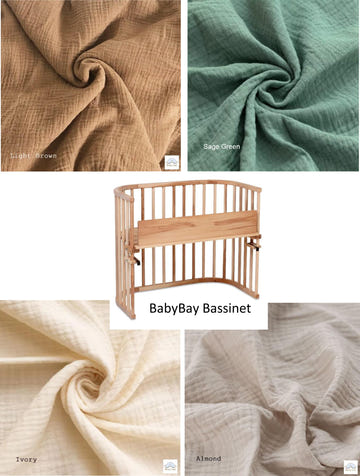
Wendy Anne Bedside Bassinet Fitted Sheet Organic Cot...
$36.00
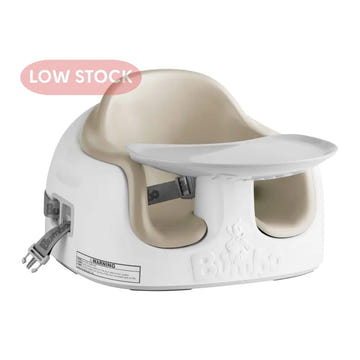
Bumbo 3-in-1 Multi Seat w/Adjustable Height, Tray In...
$69.99
Designing Your Diaper Changing Station
Let's be real—you're about to become a diaper-changing expert. You'll be spending a lot of time at this one spot, so creating a station that’s efficient, safe, and comfortable isn't a luxury; it's a sanity-saver. The goal is to set up a functional little command center that makes the whole process feel smooth, even when you're fumbling through it at 3 a.m.
The first big decision is choosing your foundation. Most parents land on one of two popular setups, and your choice will likely come down to your available space, long-term plans, and budget.
Changing Table vs. Dresser: The Great Debate
A dedicated changing table is built just for this job. They usually have open shelves, which is great for grabbing diapers and wipes in a flash, and their height is specifically designed to save your back from hunching over. They’re often lightweight and can be a fantastic, affordable option.
On the other hand, putting a changing pad on top of a sturdy dresser is a brilliant long-term play. This piece of furniture will serve you for years, easily transitioning from a changing station to a place for your kid's clothes well into their school years. It's a clever way to save both space and money down the road.
Choosing a dresser combo is a fantastic strategy for longevity. You invest in a quality piece of furniture that adapts as your child grows, making it a sustainable and practical choice for any nursery.
If you're still weighing the pros and cons, our detailed guide on how to choose the right changing table for your nursery can help you lock in the perfect decision.
Key Features of a Great Changing Station
No matter which route you go, a few features are non-negotiable for safety and convenience. Think of this as your essential checklist for creating the perfect diaper-duty hub.
- Safety First: Look for a changing surface with raised sides or rails to help keep a wiggly baby secure. If you're using a dresser, an anti-tip kit anchored to the wall is an absolute must-have.
- Comfortable Height: The surface should be at a comfortable height for you—usually around waist level. This will save your back from all the leaning you’ll be doing multiple times a day.
- Smart Organization: Everything you need should be within arm's reach. Use baskets, drawer dividers, or even a small rolling cart to keep diapers, wipes, creams, and a spare change of clothes organized and ready to go.
Getting the fit right is crucial, so it’s worth checking out a guide on baby changing table dimensions to make sure your choice works perfectly in your space.
Dresser Details That Matter
If you do opt for a dresser, a few extra details can make a huge difference in its functionality and safety over time. Make sure the drawers glide smoothly and have built-in stops to prevent them from being pulled all the way out by a curious toddler. Investing in a solid, well-constructed piece means you’ll have furniture that truly lasts for years to come.
Creating a Cozy Corner for Feeding and Cuddles
This little corner of the nursery? This is where the real magic happens. It’s the spot for those hushed 2 a.m. feedings, sleepy morning snuggles, and countless hours just soaking it all in. Setting up a comfortable and supportive feeding station is truly one of the most loving things you can do—for both you and your baby.
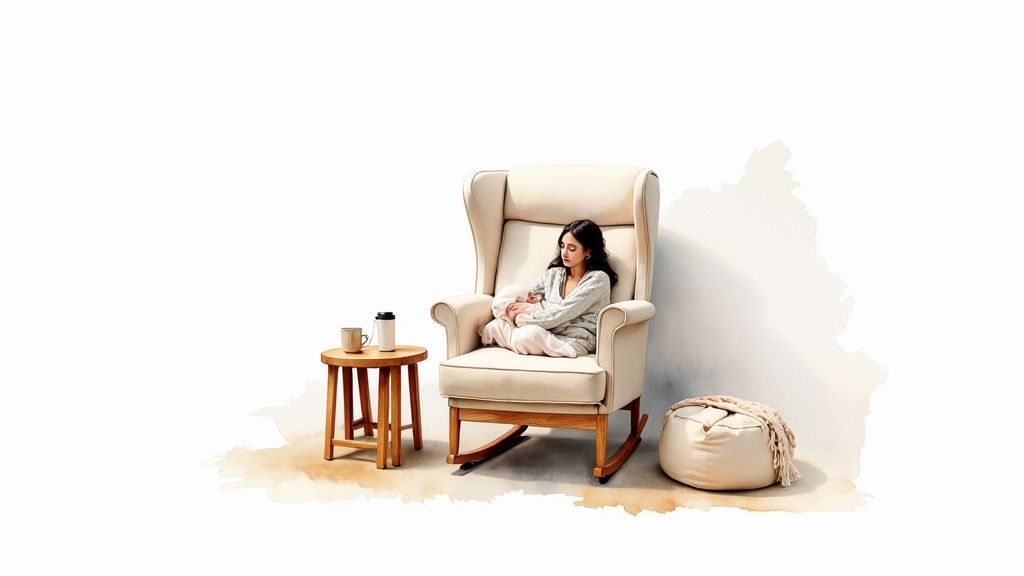
This focus on creating spaces that are both functional and comforting is a huge reason why the kids' furniture market is growing so fast. It's actually projected to grow from USD 36.9 billion in 2025 to USD 55.1 billion by 2035. This boom is fueled by parents just like you who are looking for safe, multifunctional pieces that will grow with their family.
Choosing Your Comfort Companion
The heart of your feeding corner is, of course, the chair. But this isn't just any old piece of furniture; it's going to be your command center for comfort for months, maybe even years, to come. You've basically got three main options, and each one has its own special feel.
- Gliders: These chairs move on a fixed track, giving you a smooth, gentle back-and-forth motion. That consistent glide is unbelievably soothing for a fussy baby (and let's be honest, for a tired parent, too!).
- Rockers: The classic choice. Rockers move in a more traditional arc. There's a reason they've been around forever—many parents swear by that familiar, deeper rocking motion.
- Recliners: If you're looking for the ultimate in comfort, a nursery recliner is your best friend. Being able to lean back and put your feet up is a total game-changer during those long cluster-feeding sessions or when you just need to rest with a sleeping baby on your chest.
Trying to decide can feel a bit overwhelming. To help you sort it out, we put together a guide that explores if you really need to buy a rocking chair for the nursery, breaking down the pros and cons of each style.
Features That Truly Matter
Beyond how it moves, a few key features are what separate a good chair from a truly great one. When you're trying them out in a store, really pay attention to the armrest height. You'll be holding your baby for long stretches, and properly supported arms will save your shoulders and back from a world of strain.
Next up, the fabric. Life with a baby means spit-up and spills are inevitable, so a durable, easy-to-clean fabric isn't just a nice-to-have, it's a must. Performance fabrics that resist stains and water are a fantastic investment. And finally, give it a good wiggle. Make sure the chair itself feels sturdy and well-built; a solid frame will give you safe, reliable comfort for years.
A Mom’s Success Story: From Pain to Precious Moments
For so many new moms, this cozy corner becomes a true sanctuary. That was the case for Jessica, a first-time mom who was really struggling with the pain and cracking that can come with early breastfeeding. She was heartbroken and on the verge of giving up, feeling like she was failing before she even really started.
Determined to give it one last shot, she focused on creating the perfect nursing nook. She found a supportive glider and set up a little side table with everything she might need. Then, a friend recommended she try Moogco Silver Nursing Cups.
"I was skeptical, but the relief was almost immediate. The silver cups were incredibly soothing and helped me heal when nothing else worked. They saved my breastfeeding journey, turning what was a painful ordeal into the most precious bonding time with my daughter in our quiet little corner." - Jessica, New Mom
Jessica’s success story is a powerful reminder of how the right support—both from comfortable baby furniture and from healing tools like the silver cups—can change everything. Her feeding corner, which was once a place of anxiety, became her favorite spot in the whole house. It became a place where she could finally relax and cherish every single quiet moment with her baby.
Planning Your Nursery Layout and Budget
https://www.youtube.com/embed/vArTMl0ANJs
Alright, we’ve covered all the key pieces of baby furniture. Now for the really fun part—pulling it all together to create a space that’s as practical as it is beautiful. This is where your vision starts to become a reality, and with a little planning, you can map out your nursery and your budget without any of the stress.
Creating a nursery isn't just about filling a room with cute things; it's about designing a space that actually works for you and your baby. A smart layout makes those 3 a.m. feedings a little smoother, and a clear budget means you can get everything you need without feeling overwhelmed. Let’s dive in.
Mapping Out Your Nursery Zones
Even if you’re working with a tiny room, thinking in "zones" is a game-changer. It’s a simple strategy: dedicate specific areas of the room to the main activities you'll be doing—sleeping, changing, and feeding. This little trick keeps everything you need right where you need it, which is a lifesaver when you've got a fussy baby in your arms.
For example, the sleep zone is centered around the crib, which is best placed away from windows and doors to keep drafts and light from disturbing your little one. The changing zone is your command center, with the dresser or changing table and all your diaper supplies organized and ready to go. And finally, the feeding zone is that comfy corner with your glider or rocker, a small side table for your water bottle, and maybe some soft lighting for those late-night sessions.
Thinking in zones transforms your nursery from a collection of furniture into a smart, intuitive space. It’s a simple concept that makes a huge difference in day-to-day flow, especially during those hectic early days.
Smart Budgeting for Your Nursery
Let’s be real: setting up a nursery can get expensive, but it absolutely doesn't have to break the bank. Having a realistic budget is your best friend here, helping you figure out where to splurge and where you can get creative to save.
If you’re going to invest anywhere, make it the crib and mattress. These are the non-negotiables for safety and durability. After that, you can find some great ways to save. A sturdy dresser that can pull double duty as a changing station is a fantastic long-term value. And if you're feeling crafty or want a truly unique piece, you can learn how to upcycle existing furniture to give it a whole new life.
When to Buy and What to Ask For
Timing can make a world of difference when you’re ordering furniture. To avoid that last-minute scramble, I always recommend starting your shopping during the second trimester. Some furniture can have delivery lead times of 8-12 weeks or even more, so placing your order around the 20-week mark is a pretty safe bet. That leaves plenty of wiggle room for delivery, assembly, and airing out the room before your baby’s grand arrival.
A baby registry is another amazing tool for staying organized and letting friends and family know what you could really use. It's the perfect way to keep track of everything in one place, from the big-ticket furniture to the smaller must-haves.
Here's a simple checklist to get you started on building your registry.
The Ultimate Nursery Furniture Registry Checklist
This checklist breaks down the nursery essentials from the nice-to-haves, making it easy to prioritize what you truly need for your baby registry.
| Category | Essential Items | Nice-to-Have Items |
|---|---|---|
| Sleeping | Crib, firm mattress, waterproof mattress protector. | Bassinet, mobile, blackout curtains. |
| Changing | Dresser with changing pad, anti-tip kit, diaper pail. | Wipe warmer, dedicated changing table. |
| Seating & Comfort | Glider or rocker, small side table. | Ottoman or footstool, decorative pillows. |
| Storage & Decor | Bookshelf, toy bin, rug. | Wall art, themed decor, personalized items. |
Remember, this is just a guide! Feel free to add, subtract, and adjust based on your family’s needs and the space you have. Happy planning
Got a few last-minute questions buzzing around in your head? It’s completely normal. Picking out furniture for your new baby is a huge deal, and it's smart to iron out all the details before you pull the trigger.
Let's walk through some of the most common questions we hear from parents-to-be, just to give you that extra bit of confidence.
When’s the Best Time to Buy Baby Furniture?
If you can, try to start your shopping adventure during the second trimester. We've found the sweet spot for ordering the big stuff—like the crib and dresser—is right around the 20-24 week mark.
Why so early? Some pieces can take 8-12 weeks (or sometimes even longer!) to arrive. Ordering then gives you a nice, comfortable buffer to get everything delivered and assembled without that last-minute scramble.
Honestly, planning ahead is your secret weapon here. Giving yourself plenty of time for shipping and setup turns a potential panic into a genuinely fun part of the nesting process.
Are Convertible Cribs Really Worth It?
For most families, the answer is a big yes. A convertible crib is a true long-haul piece. It starts as a cozy crib, then morphs into a toddler bed, a daybed, and sometimes even a full-size bed for a teenager.
The initial price tag might be a little higher than a standard crib, but you'll save a lot of money and hassle down the road.
Here's a pro tip we always share: if you go with a convertible crib, buy the conversion kits at the same time. Trust us on this. It saves you the major headache of discovering the model was discontinued right when you need to make the switch to a toddler bed.
What’s the Single Most Important Safety Feature for a Dresser?
Hands down, it's the anti-tip kit. Little ones are natural-born explorers, and it's not a matter of if but when they'll try to climb on open drawers. A heavy dresser can easily topple over, which is a serious hazard.
Make absolutely sure the dresser comes with a wall anchor kit, and follow the instructions to install it securely. Another great feature to look for is drawers with safety stops—they prevent your toddler from pulling a drawer all the way out onto themselves.
Here at Moogco Baby, our goal is to be right there with you on this incredible journey, from finding that perfect crib to getting you some much-needed postpartum relief. We've already done the hard work of vetting the best gear, so you can shop with peace of mind.
Discover trusted baby essentials at Moogco Baby.
Bring this guide home with 25% off.
Use code READER25 for 25% off →
Featured pick from Moogco
MOOGCO Silver Nursing Cups 999k Silver - BPA-Free for Babies & Toddlers
$46.90 $52.90
Shop this pick → Frequently Asked Questions
How do I know if a crib mattress fits properly?
A proper fit means you can't squeeze more than two fingers between the mattress edge and the crib frame. If there's a gap larger than that, your baby could potentially get stuck, which is a serious safety hazard. Always test the fit before your baby uses the crib, and remember that a snug mattress is one of the most important safety features.
Can I use hand-me-down baby furniture safely?
Hand-me-downs can be wonderful, but you need to be selective. Cribs manufactured before 2011 don't meet current safety standards and should never be used. For other furniture, check for recalls, make sure all hardware is present and tight, and verify there are no splinters, cracks, or peeling paint. When in doubt, safety always comes first.
How much space do I actually need for nursery furniture?
At minimum, plan for about 50 to 70 square feet to comfortably fit a crib, dresser, and glider with walking space. You want at least 24 inches of clearance around the crib for safe access during those middle-of-the-night moments. If your space is tight, consider a mini crib or a dresser that doubles as a changing table to maximize functionality without overcrowding.
What's the difference between a bassinet and a crib?
A bassinet is smaller and designed for newborns up to about 3 or 4 months, or until they can roll over. Cribs are larger, sturdier, and will safely hold your baby from birth through toddlerhood. Many families start with a bassinet in their bedroom for easy nighttime access, then transition to a crib in the nursery when baby outgrows it or starts sleeping longer stretches.
Do I really need a changing table, or can I use the dresser?
You absolutely don't need a dedicated changing table. A sturdy dresser with a securely attached changing pad on top works beautifully and saves both space and money. Just make sure the dresser is the right height for you to avoid back strain, and always use a safety strap. Many dressers are designed with this dual purpose in mind, giving you smart storage and a safe changing spot in one piece.
What makes a glider better than a regular rocking chair?
Gliders move on a smooth, fixed track that's quieter and less likely to pinch little fingers or toes than traditional rockers. The motion is gentler and easier to control with one hand, which is a lifesaver when you're holding a sleeping baby. Many gliders also come with locking mechanisms and better lumbar support, making those long nursing or bottle-feeding sessions much more comfortable for your back and arms.
Should I buy all my nursery furniture from the same collection?
Not at all! While matching sets look cohesive, mixing and matching gives you more flexibility with budget, style, and function. Focus on finding individual pieces that meet your safety and practical needs first. You can always tie different styles together with coordinating paint colors, textiles, or decor. The most important thing is that each piece works well for your family, not that everything matches perfectly.
How can I tell if nursery furniture will off-gas harmful chemicals?
Look for GREENGUARD Gold certification, which guarantees the product has been tested for thousands of VOCs and other harmful chemicals. You can also choose solid wood furniture with water-based, non-toxic finishes. If furniture does have a strong chemical smell when it arrives, let it air out in a garage or well-ventilated room for a few days before bringing it into the nursery. Your nose is often your first clue that something needs more time to off-gas.
From Moogco Studio
Printable and personalized nursery essentials. Designed by moms for moms.


About the Editor
Eda Ulger is the editor at Moogco Baby and a mom of two. She curates and edits our guides so every piece is honest, practical, and genuinely helpful for the early days of motherhood.
Shop This Story
Picks related to this guide, ready to ship from Moogco.
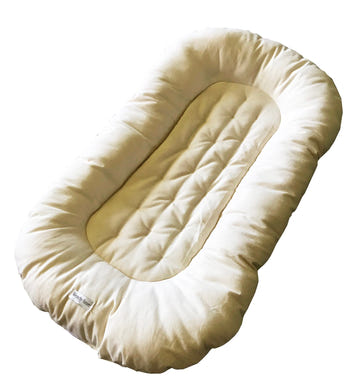
Wendy Anne Lounger Nest Organic Cotton Futon Oval Bo...
$129.00
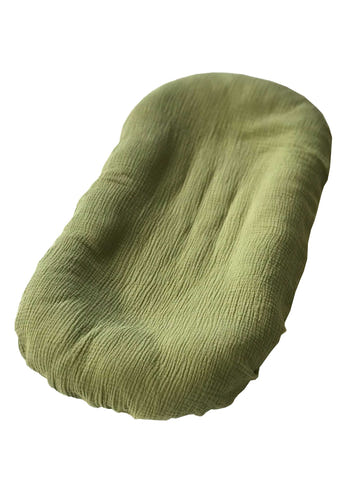
Wendy Anne Infant Lounger Slip Cover Organic Cotton ...
$59.00

Sell My Stuff Elephant Plush Baby Sleep Pillow 30 35...
$40.00
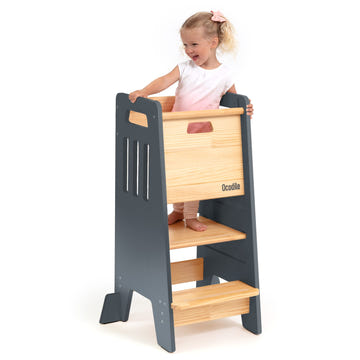
Standing Toddler Tower with Sliding Safety Door
$129.99
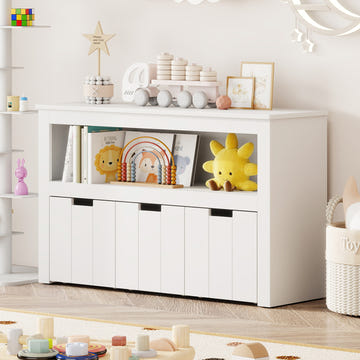
Kid Toy Storage Cabinet 3 Drawer Chest with Wheels L...
$109.99
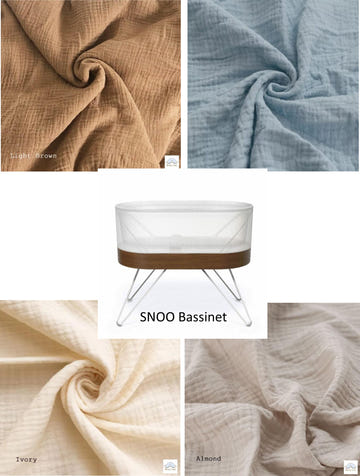
Wendy Anne Cradle Bassinet Fitted Sheet Organic Cott...
$32.00
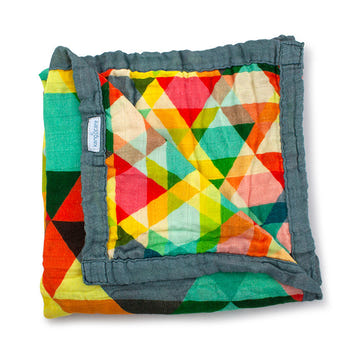
Kanga Care Bamboo Muslin Blanket Baby Finn Reversibl...
$39.99
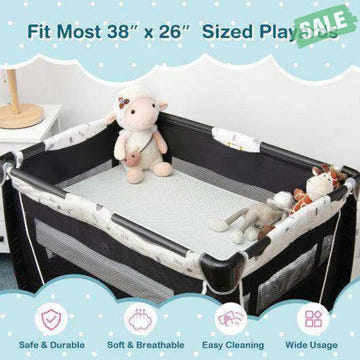
38 x 26 Inch Dual Sided Pack and Play Baby Mattress ...
$99.99
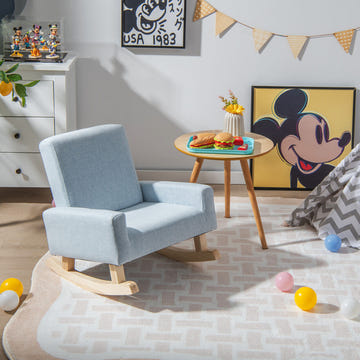
Kids Rocking Chair with Solid Wood Legs
$72.99
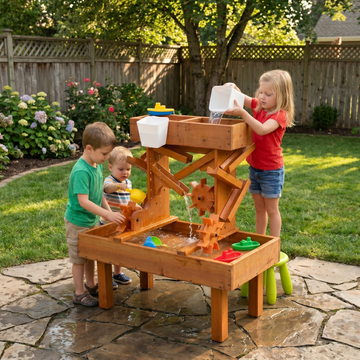
Avenlur Wooden Outdoor Water Table for Toddlers
$229.00