


Your baby’s first steps are an exciting milestone, but they also mark the beginning of a new chapter filled with exploration and adventure. As your little one becomes more mobile, their needs change, and so do yours as a parent. Here’s a guide to the unexpected items you’ll need to ensure your home and outings are safe, fun, and stress-free for your new walker.
1. Babyproofing Essentials
Walking babies are naturally curious, which means babyproofing becomes a priority:
- Corner Protectors and Edge Guards: Keep sharp edges on tables and furniture safe from tiny bumps.
- Safety Gates: Use gates to block staircases and areas that aren’t baby-friendly.
- Cabinet and Drawer Locks: Prevent little hands from getting into dangerous spaces.
- Non-Slip Rugs or Mats: Ensure floors are safe to navigate, especially in areas with hard surfaces.
2. Sturdy Walking Shoes
Now that your baby is walking, it’s time to invest in their first pair of proper shoes:
- Soft-Soled Shoes: Perfect for indoor use as they allow natural foot movement.
- Hard-Soled Shoes: For outdoor adventures, choose shoes with good grip and ankle support.
3. Cleaning Supplies for Messy Adventures
As your baby explores, spills and messes become a regular part of life:
- Wipeable High Chair Cover: Great for post-mealtime cleanups.
- Washable Play Mats: Ideal for arts, crafts, and other messy activities.
- Portable Wipes Container: For cleaning sticky hands and faces on the go.
4. Storage Solutions
Walking babies love toys, and their collection grows fast:
- Toy Bins with Labels: Make tidying up easier and teach your child early organization skills.
- Shoe Racks or Baskets: Keep their growing shoe collection organized and easy to access.
5. On-the-Go Gear
Outings with a walking baby require new considerations:
- Lightweight Stroller: Perfect for when little legs tire out.
- Child Leash or Harness: Great for crowded areas where safety is a concern.
- Backpack Diaper Bag: Allows you to stay hands-free while carrying essentials.
6. Encouraging Exploration
Support your child’s development with items that encourage movement and learning:
- Push Toys or Walkers: Help them build confidence and coordination.
- Climbing Structures: Soft climbing toys are perfect for indoor adventures.
- Books About Walking: Introduce your baby to stories that celebrate their big milestone.
The Role of Moogco Silver Nursing Cups
Walking brings a whole new level of activity for you and your baby, and staying comfortable as a mom is crucial during this busy phase. Moogco Silver Nursing Cups are here to support you by providing natural relief for sore nipples, which can persist during extended breastfeeding. These eco-friendly, chemical-free cups help you stay focused on your little one’s milestones without discomfort.
Why Shop at Moogco Baby?
Simplify your shopping experience by visiting Moogco Baby, where you’ll find everything you need for your growing child. From Moogco Silver Nursing Cups to babyproofing gear, sturdy shoes, and more, Moogco Baby is your one-stop shop for high-quality, parent-approved products.
Final Thoughts
As your baby starts walking, the world becomes a bigger, more exciting place for them—and a busier one for you. By preparing with these unexpected essentials, you can ensure their journey is safe, comfortable, and full of joy. Don’t forget to celebrate this incredible milestone with a shopping spree at Moogco Baby!

Featured pick from Moogco
French Terry Racerback Nursing & Sleep Bra | Beige
$39.90
Shop this pick → Bring this guide home with 20% off.
Use code MOM20 for 20% off →Frequently Asked Questions
At what age do most babies start walking independently?
Most babies take their first independent steps between 9 and 15 months, with the average being around 12 months. Every child develops at their own pace, so some may walk earlier or later and still be perfectly healthy. If your baby isn't walking by 18 months, it's a good idea to check in with your pediatrician.

Should my baby wear shoes indoors when learning to walk?
Barefoot walking is actually best for indoor practice, as it helps your baby develop balance, coordination, and foot strength. If you need footwear for protection or warmth, choose soft-soled shoes that mimic barefoot movement. Save hard-soled shoes for outdoor adventures where your baby needs extra protection and grip.
Free US shipping over $100
Real essentials, picked by real moms
Take 20% off at checkout, applied automatically when you shop through this link.
Shop with MOM20 →Free US shipping over $100. Code applies automatically at checkout.
How do I know if my baby's first walking shoes fit properly?
Look for about a thumb's width of space between your baby's longest toe and the end of the shoe. The shoe should be snug around the heel without slipping, and wide enough that toes aren't squeezed together. Since baby feet grow quickly, check the fit every few weeks and replace shoes as needed.
Are child leashes or harnesses safe for walking toddlers?
Yes, child safety harnesses can be a practical tool in crowded or dangerous areas like parking lots, airports, or busy streets. They give your new walker some independence to explore while keeping them safely tethered to you. Choose a comfortable harness style and use it as a safety backup, not a replacement for supervision.
What babyproofing changes should I make once my baby starts walking?
Walking opens up new dangers, so secure furniture to walls to prevent tip-overs, install safety gates at stairs, and add corner guards to sharp edges. Move cleaning supplies and medications to high cabinets, cover electrical outlets, and add non-slip pads under rugs. Get down to your baby's eye level to spot hazards you might miss from above.
How can I encourage my baby to walk more confidently?
Create safe spaces for practice with soft surfaces, and use push toys or sturdy furniture for support as they build confidence. Praise every attempt, even wobbly ones, and avoid hovering too much as it can make them anxious. Keep the environment clutter-free and give them plenty of opportunities to practice throughout the day.
Do I still need a stroller once my baby is walking well?
Absolutely! Even confident walkers have limited endurance and will tire quickly on longer outings. A lightweight, easy-to-fold stroller is perfect for when little legs need a break during errands, walks, or travel. It also provides a safe spot for naps and keeps your child secure in busy environments.
What types of toys help support walking development?
Push toys with sturdy bases help babies practice balance and build leg strength as they walk. Ride-on toys encourage coordination, while soft climbing structures develop gross motor skills safely indoors. Choose toys that are stable, age-appropriate, and encourage movement rather than passive play.
From Moogco Studio
Printable and personalized nursery essentials. Designed by moms for moms.


About the Editor
Eda Ulger is a co-founder of Moogco Baby, the editor of the Moogco Baby Journal, and a mom of two. She curates and edits our guides so every piece is honest, practical, and genuinely helpful for the early days of motherhood.
Shop This Story
Picks related to this guide, ready to ship from Moogco.
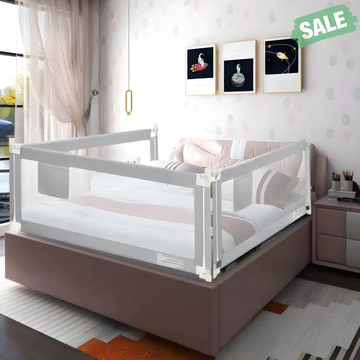
76.8 Inch Baby Bed Rail with Double Safety Child Lo...
$52.49
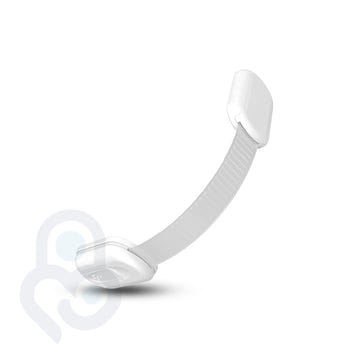
Baby Proof Me Adjustable Safety Strap Lock 3M Adhesi...
$9.95
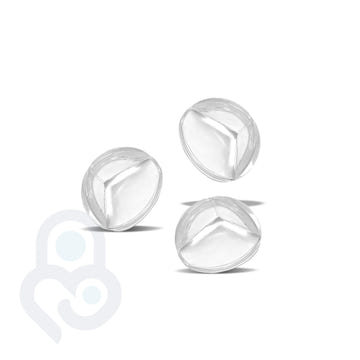
Baby Proof Me Clear Table & Counter Corner Protector...
$9.95
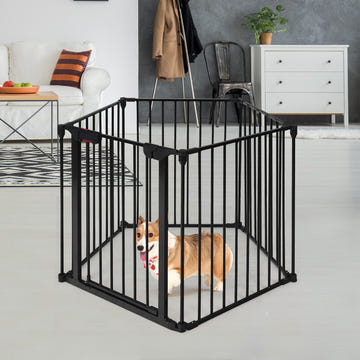
115 Inch Length 5 Panel Adjustable Wide Fireplace Fence
$99.99
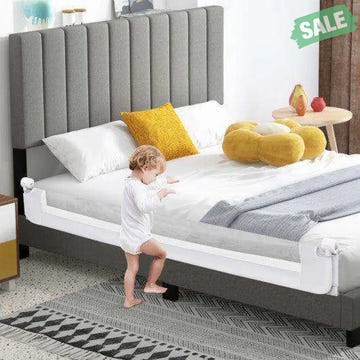
71-Inch Foldable Bed Rail Swing Down Baby Bed Guard ...
$45.14
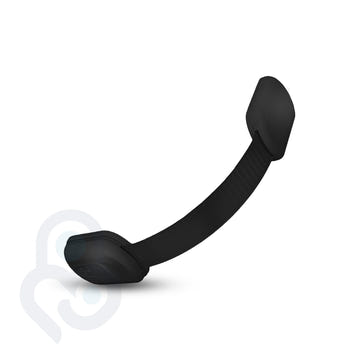
Baby Proof Me Adjustable Black Safety Strap Lock for...
$9.95
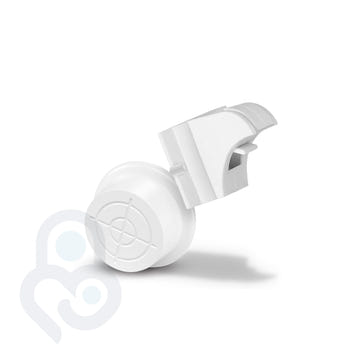
Baby Proof Me Magnetic Safety Lock Kit 12 Locks 3 Keys
$19.95
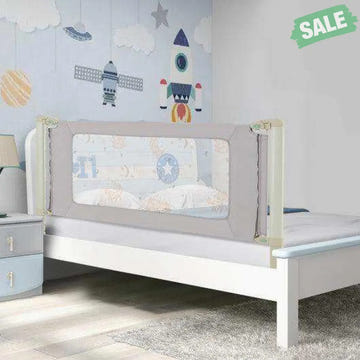
Vertical Lifting Bed Rail for Toddlers with Double L...
$37.79
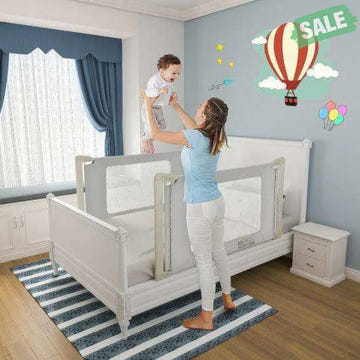
Bed Rail Guard for Toddlers Kid with Adjustable Heig...
$41.99
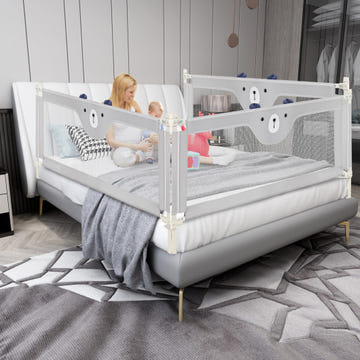
Vertical Lifting Baby Bedrail Guard with Double Safe...
$48.29