


Tantrums are one of the most common (and challenging) parts of toddlerhood. While they can be intense, they’re also a normal part of your child’s emotional development. Learning how to manage tantrums with compassion and consistency helps build emotional intelligence—and a more peaceful home.
Dr. Maya Bennett, Child Psychologist: “A tantrum is not misbehavior. It’s a cry for help from a toddler whose brain is still learning to process big feelings.”
Why Do Toddlers Have Tantrums?
✔️ Their verbal skills can’t always express what they feel
✔️ They’re learning independence and testing boundaries
✔️ They feel frustrated, tired, overstimulated, or hungry
✔️ Their brain is still developing impulse control (especially under age 4)

Tantrums often peak between 18 months and 3 years and become less frequent with time and emotional maturity.
Free US shipping over $100
Real essentials, picked by real moms
Take 25% off at checkout, applied automatically when you shop through this link.
Shop with READER25 →Free US shipping over $100. Code applies automatically at checkout.
What a Tantrum Looks Like
✔️ Crying, screaming, kicking, or throwing
✔️ Refusing to follow instructions or suddenly melting down
✔️ Emotional flooding with no obvious trigger
💡 Tantrums are not manipulative—they’re dysregulated responses from an overwhelmed nervous system.
Picks From This Story
Picks related to this guide, ready to ship from Moogco.
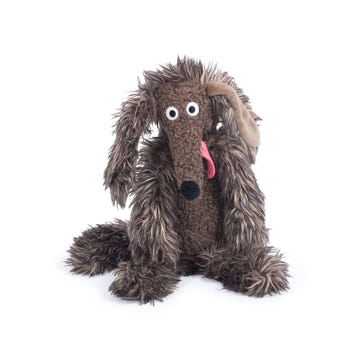
Speedy Monkey Dumpster The Dog medium brown H 14,17 ...
$39.99

Sell My Stuff Elephant Plush Baby Sleep Pillow 30 35...
$40.00
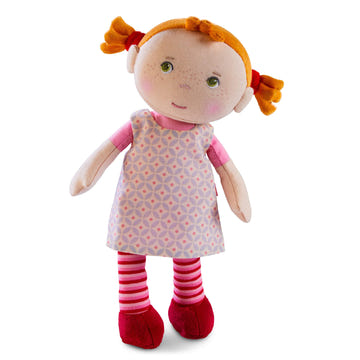
HABA Snug Up Doll Roya 10 inch soft plush doll
$19.99
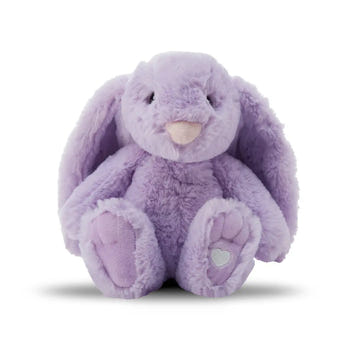
Xander Bunny — Lavender Stuffed Bunny | Weighted Cal...
$45.00
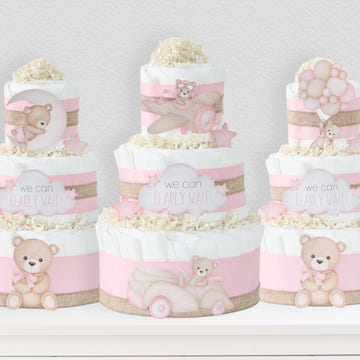
Baby Blossom Company Teddy Bear Diaper Cake Pink Sho...
$85.00
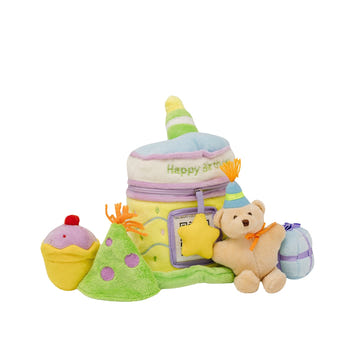
Genius Babies Toys Baby's 1st Birthday Plush Cake Pl...
$19.99
What to Do During a Tantrum
1. Stay Calm
✔️ Take a deep breath. Your calm sets the tone.
✔️ Speak slowly and keep your voice low.
2. Keep Your Toddler Safe
✔️ Gently move them to a safe space if needed
✔️ Remove objects that could cause harm
3. Validate Feelings Without Giving In
✔️ “You’re feeling really upset right now. I’m here.”
✔️ Acknowledge the emotion without giving the desired outcome
4. Use Fewer Words
✔️ During peak emotion, less is more. Save teaching moments for later.
Dr. Elisa Raymond, Pediatric Development Specialist: “Connection before correction. Tantrums aren’t teachable moments—they’re opportunities to co-regulate.”
What to Do After a Tantrum
✔️ Offer a hug or gentle reassurance when your child calms down
✔️ Use simple words to help them label what happened (“You were sad because the toy broke”)
✔️ Praise calming behaviors: “You took a deep breath. That helped!”
Preventing Tantrums (When Possible)
✔️ Offer choices to give a sense of control
✔️ Stick to predictable routines and transitions
✔️ Keep snacks, naps, and quiet time consistent
✔️ Prepare them for changes with simple warnings (“In 5 minutes, we’ll leave the park”)
More Related Picks
A few more favorites from the same collection.
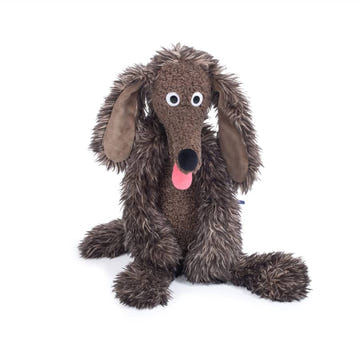
Dumpster The Dog Plush (large) - Stuffed Toy - Mouli...
$59.99
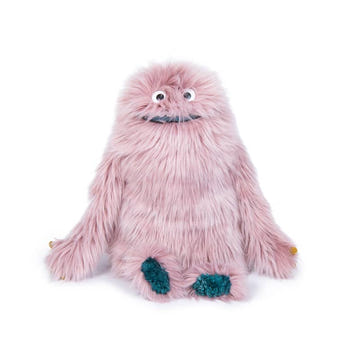
Boubou The Schmouk - Stuffed Toy - Moulin Roty
$119.99

Saranoni Stuffed Animal Rocker Bear Puppy Elephant A...
$159.00
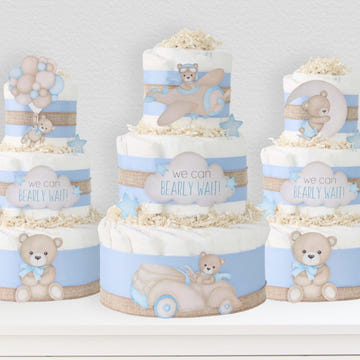
Baby Blossom Company Teddy Bear Diaper Cake Collecti...
$85.00

Wolf "Ecole des loisirs"
$49.99
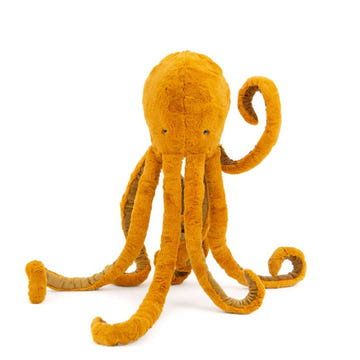
Speedy Monkey Octopus Plush Large Blue H: 27,17 Stuf...
$89.99
The Role of Moogco Silver Nursing Cups
If you’re parenting through tantrums while still nursing, comfort feeds can offer closeness—but may come with nipple discomfort. Moogco Silver Nursing Cups soothe soreness naturally, helping you stay physically and emotionally supported.
📌 Find relief here: Moogco Silver Nursing Cups on Amazon
Final Thoughts: Your Calm Is Powerful
You can’t prevent every tantrum—but you can respond in ways that foster trust, resilience, and emotional growth. Be patient, stay grounded, and remember: your presence is the most powerful tool of all.
🛒 Explore toddler-friendly comfort tools and parenting resources at Moogco Baby.
Bring this guide home with 25% off.
Use code READER25 for 25% off →
Featured pick from Moogco
The Original Silver Nursing Cups with Silicone Pads
$62.90 $74.90
Shop this pick → Frequently Asked Questions
At what age do tantrums usually stop?
Most children experience fewer tantrums after age 3 or 4, as their language skills and emotional regulation improve. However, every child develops at their own pace. Consistent routines and gentle guidance during the toddler years help build the skills they need to manage big feelings more independently.
Should I ignore my toddler during a tantrum?
It's better to stay present and calm rather than completely ignore your child. Ignoring can feel isolating when they're already overwhelmed. Instead, offer your calm presence nearby, validate their feelings, and keep them safe without giving in to demands.
How long should I let a tantrum last before intervening?
There's no set time limit. Focus on keeping your child safe and staying calm yourself. If the tantrum escalates or your child seems unable to self-soothe after several minutes, gently offer comfort or a distraction. Trust your instincts and prioritize safety and connection.
What's the difference between a tantrum and a meltdown?
Tantrums often have a goal, like wanting a toy or resisting bedtime, and may stop if the child gets what they want. Meltdowns are more involuntary, often caused by sensory overload or exhaustion, and the child has less control. Both need calm, patient responses.
Can hunger or tiredness really trigger a tantrum?
Absolutely. Low blood sugar and fatigue lower a toddler's ability to regulate emotions and handle frustration. Keeping snacks handy, honoring nap times, and watching for early signs of hunger or tiredness can help prevent many tantrums before they start.
Is time out effective for tantrums?
Time outs work better for deliberate misbehavior than for tantrums, which are emotional overwhelm. A better approach is a calm down space where your child can regulate with your support nearby. This teaches self-soothing without shame or isolation.
What if my toddler has tantrums in public?
Public tantrums are stressful but very common. Stay calm, move to a quieter or safer spot if possible, and focus on your child rather than onlookers. Respond with the same patience you would at home. Remember, other parents understand more than you think.
How do I know if my child's tantrums are a bigger concern?
If tantrums happen multiple times a day, last longer than 15 minutes regularly, involve self-harm or aggression toward others, or continue intensely past age 4, talk to your pediatrician. They can help rule out underlying sensory, developmental, or emotional needs.
From Moogco Studio
Printable and personalized nursery essentials. Designed by moms for moms.


About the Editor
Eda Ulger is the editor at Moogco Baby and a mom of two. She curates and edits our guides so every piece is honest, practical, and genuinely helpful for the early days of motherhood.
Shop This Story
Picks related to this guide, ready to ship from Moogco.
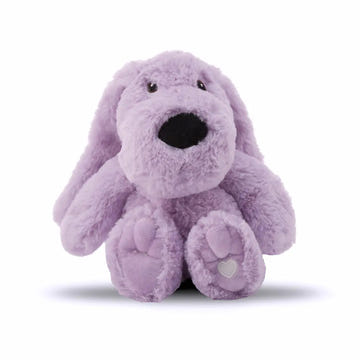
Lavender Life Company Xander Dog Lavender Comfort St...
$45.00
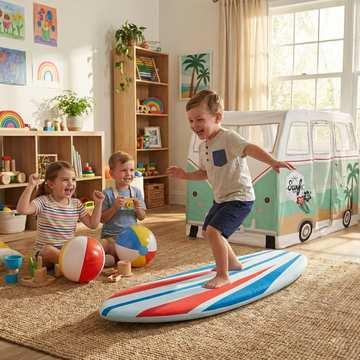
Surf Board Plush Toy
$69.00
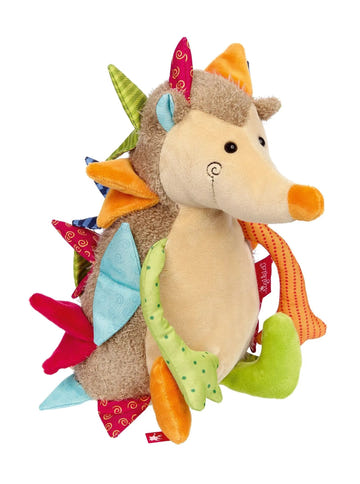
Patchwork Hedgehog Plush Toy
$39.95
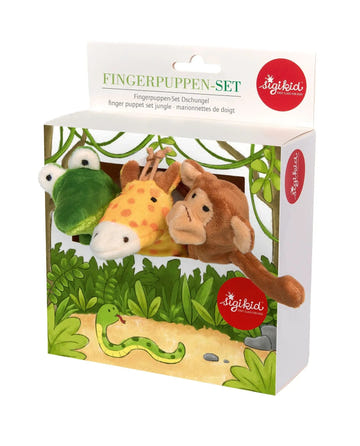
Finger Puppet Set: Jungle
$37.95
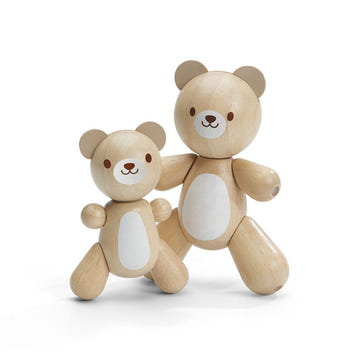
PlanToys Bear and Little Bear Plush Set Movable Limbs
$26.99
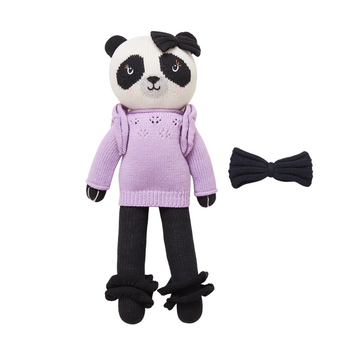
Red and Olive Co Lavender Panda Match Me Set doll 20...
$78.00
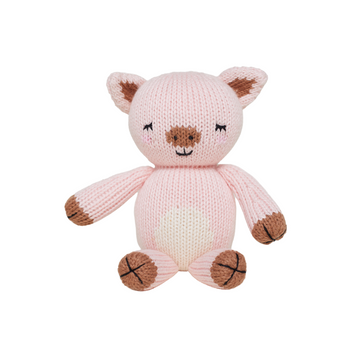
Red and Olive Co Baby Pig 7" Handcrafted Plush Pigle...
$36.00
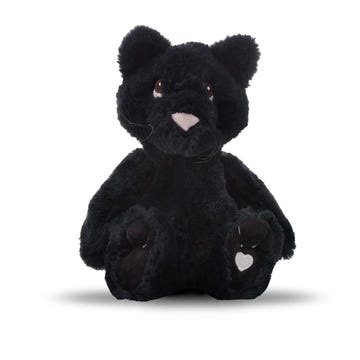
Lavender Life Company Xander Cat Lavender Comfort St...
$45.00
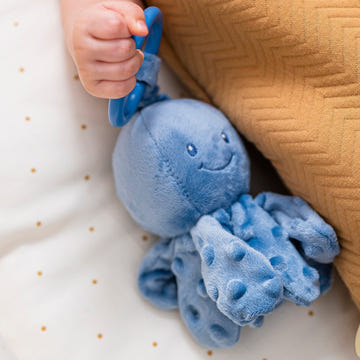
Nattou Vibrating Cuddly Lapidou
$9.95
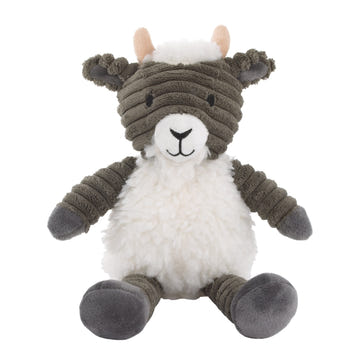
Billy the Goat Grey and White Super Soft Plush Stuff...
$14.99