


The toddler years are a magical time of rapid growth, boundless energy, and... notoriously challenging sleep patterns. If you're navigating the nightly maze of bedtime battles, endless wake-ups, and the elusive quest for a full night's rest, you're not alone. The transition from baby to toddler brings new developmental leaps, opinions, and a stubborn desire for independence that can turn sleep into a nightly negotiation. Many new parents find this stage particularly draining, especially when juggling other challenges like breastfeeding. One mom shared how Moogco Silver Nursing Cups were a lifesaver, allowing her to heal sore nipples and continue her nursing journey comfortably, which she credits for giving her the resilience to tackle sleep challenges next. She said, "Using those silverettes saved our breastfeeding relationship, which gave me the confidence to handle bedtime."
But here's the good news: a peaceful night's sleep for your entire family is not a distant dream. This guide is designed to be your compass, exploring various toddler sleep training methods to help you find the right fit. We will explore eight distinct approaches, moving beyond generic advice to give you a clear, practical roadmap for each one. From structured techniques like the Ferber Method to gentle, connection-focused philosophies, we'll break down the how-tos, pros, cons, and ideal temperaments for each strategy.
It's also important to consider your toddler's developmental stage. For example, understanding the readiness signs for transitioning from crib to bed is crucial before embarking on any sleep training journey, as this major change can significantly impact their routine. Our goal is to empower you with the knowledge to choose a method that aligns with your family's unique values and your toddler's specific needs, turning exhaustion into empowerment and bedtime battles into bonding moments.
1. Ferber Method (Graduated Extinction)
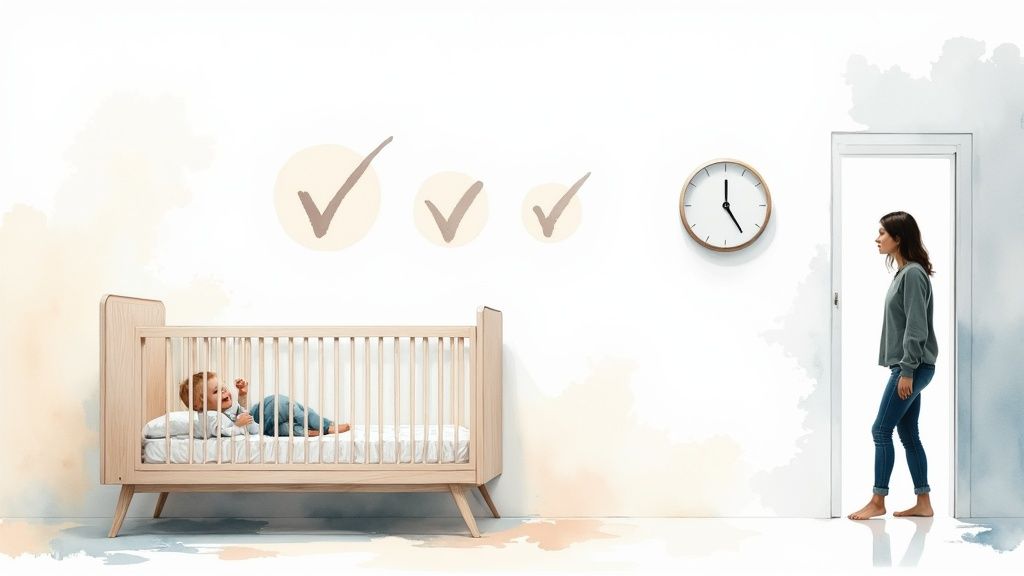
Often one of the first techniques parents hear about, the Ferber Method is one of the most well-known toddler sleep training methods. Developed by pediatric sleep specialist Dr. Richard Ferber, this approach, also called "graduated extinction," aims to teach your toddler how to fall asleep independently. The core idea is to put your child to bed while they are drowsy but still awake and then leave the room.

Safe sleep, sweeter nights
Better baby sleep starts here
Take 25% off at checkout, applied automatically when you shop through this link.
Shop with READER25 →Free US shipping over $100. Code applies automatically at checkout.
You then return to check on them at progressively longer, timed intervals. These check-ins are brief and reassuring, meant to show your toddler you’re still there without creating a new sleep crutch like rocking or feeding them back to sleep. Many parents who use this method see significant improvement in just a few nights to a week. While this method is famous, there are many gentle alternatives, and you can learn more about other popular sleep training approaches here.
How It Works: A Step-by-Step Guide
- Solid Routine: Start with a predictable and calming bedtime routine. Think bath, pajamas, a quiet story, and a final cuddle in their room. Consistency is key here.
- Drowsy But Awake: Place your toddler in their crib or bed while they are sleepy but not yet asleep. Say goodnight and leave the room.
- Start the Clock: If they cry, wait a predetermined amount of time before your first check-in. Dr. Ferber suggests starting with 3 minutes on the first night.
- Brief Check-in: Go back into the room for just a minute or two. Offer quiet, verbal reassurance like, "I love you, it's time to sleep now," and a gentle pat. Do not pick them up.
- Increase the Intervals: Leave again and extend the waiting time before the next check-in (e.g., 5 minutes). Continue increasing the intervals (e.g., 10 minutes) until your toddler falls asleep. Each night, you'll start with a slightly longer initial interval than the night before.
Is This Method Right for Your Family?
The Ferber Method is often effective for toddlers who are generally healthy and have a temperament that responds to structure. It requires a high level of parental consistency and the ability to listen to your child cry for short periods. It’s crucial that all caregivers are on the same page and committed to the plan. This method builds a foundation of self-soothing that can be invaluable as your child grows.
2. Extinction Method (Cry It Out)
The Extinction method, more commonly known as "Cry It Out" (CIO), is one of the most direct and debated toddler sleep training methods. This approach involves putting your toddler to bed after their routine, leaving the room, and not returning until the next morning, regardless of crying. The underlying principle is that by not responding to the crying, the behavior will eventually be "extinguished" as the child learns to fall asleep without any external help.
This method is based on the idea that parental interventions can sometimes reinforce the very behaviors they are trying to stop. While it can be emotionally challenging for parents, those who commit to it often report very rapid results, sometimes seeing improvement in just one or two nights. It is considered a more direct alternative to graduated methods like Ferber.
How It Works: A Step-by-Step Guide
- Unwavering Routine: Perform your established, soothing bedtime routine every single night. A predictable sequence of bath, pajamas, stories, and snuggles signals to your toddler that sleep is coming.
- Drowsy and Independent: Place your toddler in their crib or bed when they are drowsy but still awake. Give them a final "I love you" and "goodnight," then confidently leave the room.
- Commit to Non-Intervention: This is the core of the method. Once you leave, you do not go back in to check on them, no matter how much they cry, unless you have a genuine concern for their safety.
- Consistency is Absolute: For this method to work, it must be applied consistently for naps and bedtime. Any deviation can confuse your toddler and prolong the process.
- Morning Greeting: Return to your toddler's room at your designated wake-up time in the morning. Greet them with love and warmth to start the new day on a positive note.
Is This Method Right for Your Family?
The Extinction method requires a very high level of commitment and emotional fortitude from parents. It's crucial that both caregivers are 100% on board and can support each other through the process, as listening to your child cry can be incredibly difficult. This approach is often chosen by parents who have tried gentler methods without success and need a more definitive solution. It works best for toddlers who are healthy, in a safe sleep environment, and whose basic needs have been fully met before bedtime. Using a white noise machine in the parents' room can help muffle the sounds, reducing parental anxiety.
3. Pick-Up/Put-Down Method
If you're looking for a hands-on approach that offers plenty of comfort, the Pick-Up/Put-Down method might be the right fit. Popularized by Tracy Hogg in "The Baby Whisperer," this technique is designed for parents who want to stay present and reassuring while still encouraging independent sleep. The core principle is simple: you comfort your toddler by picking them up when they're upset but put them back down in their crib or bed as soon as they begin to calm down, while they are still awake.

This method is a very gentle process that reinforces your presence without creating sleep associations like rocking or feeding to sleep. It can be a lengthy process, sometimes involving dozens of pick-ups in a single night initially, but it avoids leaving your toddler to cry alone. Many parents appreciate this middle-ground approach, and you can explore more details on gentle strategies for better rest here.
How It Works: A Step-by-Step Guide
- Consistent Bedtime Routine: Just like other methods, begin with a soothing and predictable bedtime routine to signal that it's time to wind down.
- Drowsy But Awake: Place your fully-fed and comfortable toddler into their bed while they are sleepy but conscious. Say your goodnights and step back.
- Pick Up for Comfort: If your toddler starts to cry, go to them and pick them up. Offer calm reassurance with your voice and touch.
- Put Down When Calm: As soon as they stop crying and begin to calm (not when they are asleep!), immediately place them back in their bed. If they start crying again, repeat the process.
- Be Patient and Persistent: Continue this cycle until your toddler falls asleep in their own bed. It requires significant patience, but the goal is for them to learn that their bed is a safe place for sleep.
Is This Method Right for Your Family?
This toddler sleep training method is often a great choice for younger toddlers or those who struggle with separation anxiety. It requires a huge amount of patience and physical stamina from caregivers. You must remain calm and almost robotic in your actions to avoid overstimulating or frustrating your child. For parents who are committed to a no-cry or minimal-cry approach and have the time to invest, it can be a highly effective and attachment-focused solution.
Picks From This Story
Picks related to this guide, ready to ship from Moogco.

Swaddelini Grey Swaddle Sleep Sack 3D Knit Seamless ...
$54.95

Swaddelini Lavender Swaddle Sleep Sack 3D knit light...
$54.95

Swaddelini Pink Swaddle Sleep Sack 3D Knit Seamless
$54.95

Swaddelini Blue Swaddle Sleep Sack 3D Knit Seamless
$54.95

Swaddelini Orange Swaddle Sleep Sack 3D Knit Seamless
$54.95

Dreamland Baby Dream Weighted Sleep Sack 1.0 TOG 68-...
$109.00
4. Chair Method (Camping Out)
For parents looking for a gentle, gradual approach among toddler sleep training methods, the Chair Method offers a reassuring presence. Popularized by sleep experts like Dr. Jodi Mindell, this technique, often called "camping out," allows you to support your toddler as they learn to fall asleep independently, but from a distance. The core idea is to stay in the room with your child until they fall asleep, but gradually move your chair farther away each night until you are out of the room completely.

This method bridges the gap between co-sleeping and independent sleep, making it ideal for toddlers who experience separation anxiety. It provides the comfort of your presence without the hands-on soothing that can become a sleep crutch. The process is slow and steady, which can be a comfort to both parent and child, though it requires significant patience. Consistency is the foundation of this method, just as it is with establishing a strong breastfeeding routine with the help of supportive tools like Moogco Silver Nursing Cups, which help many moms comfortably reach their feeding goals.
How It Works: A Step-by-Step Guide
- Consistent Routine: As with other methods, begin with your solid, calming bedtime routine to signal that sleep is coming.
- Sit Beside the Bed: After your routine, place a chair right next to your toddler’s crib or bed. Sit down as you say your final goodnight.
- Offer Minimal Interaction: Your role is to be a quiet, reassuring presence. If your toddler gets upset, you can offer brief, soothing phrases but avoid picking them up or engaging in conversation. The goal is to be boring.
- Wait Until They Sleep: Remain in the chair until your toddler is fully asleep, then quietly leave the room.
- Move the Chair: Every few nights, once your toddler is comfortable with the current placement, move the chair a little farther away from their bed. First to the middle of the room, then to the doorway, and finally, out into the hallway.
Is This Method Right for Your Family?
The Chair Method is an excellent choice for families who are not comfortable with letting their toddler cry for extended periods. It works well for toddlers who are transitioning to their own room or who have a strong need for parental reassurance. Success requires a parent who can commit to sitting quietly in a dark room for potentially long stretches and has the patience for a process that can take a few weeks. This gentle technique empowers your toddler by showing them they are safe and capable of falling asleep on their own, with you as their quiet supporter.
5. Gentlest Method (No-Cry Sleep Solution)
For parents who feel that crying-it-out methods are not the right fit for their family, the No-Cry Sleep Solution offers a gentle, connection-focused alternative. Popularized by author Elizabeth Pantley and embraced by attachment parenting advocates, this approach prioritizes responding to your toddler's emotional needs while gradually encouraging independent sleep. The core idea is to make subtle, patient changes to your toddler's sleep habits and environment without leaving them to feel distressed.
This method uses a combination of environmental adjustments, routine consistency, and gradual fading of parental presence to help your toddler learn to sleep with minimal tears. It's a longer process, often taking several weeks or even months, but it focuses on building a secure and trusting foundation. For parents committed to a tear-free approach, there are many ways to implement these gentle sleep training methods. You can learn more about other gentle sleep training strategies here.
How It Works: A Step-by-Step Guide
- Become a Sleep Detective: Start by keeping a detailed sleep log for a week. Note down nap times, bedtime, night wakings, and what helps your toddler fall back asleep. This helps you identify patterns you can gently shift.
- Optimize the Environment: Ensure the sleep space is perfect. Use blackout curtains to block light, a sound machine to muffle disruptive noises, and keep the room at a comfortable, cool temperature.
- Create Gentle Associations: Introduce positive sleep cues that don't rely solely on you. This could be a special lovey (for toddlers over one), a specific lullaby, or a calming scent.
- The Gentle Removal Plan: If your toddler relies on nursing or rocking to sleep, the goal is to gently break that association. For example, if nursing, allow them to nurse until drowsy, then gently unlatch them before they are fully asleep, placing them in their crib. If they fuss, you can repeat the process, gradually reducing the nursing time each night.
- Be Patient and Consistent: Make only one small change at a time and stick with it for several days before evaluating its effectiveness. Progress is slow but steady.
Is This Method Right for Your Family?
The No-Cry approach is ideal for families who prioritize a strong emotional connection and are uncomfortable with letting their toddler cry. It requires immense patience, consistency, and a willingness to commit to a long-term strategy rather than a quick fix. Because it’s so responsive, it works well for sensitive toddlers who may become overly distressed by more rigid methods. This is one of the toddler sleep training methods that deeply respects the parent-child bond while working toward the goal of independent sleep.
6. Scheduled Waking Method
This toddler sleep training method might sound counterintuitive: you wake a sleeping child on purpose. The Scheduled Waking Method, popularized by pediatric sleep experts like Dr. Marc Weissbluth, is a proactive approach designed to break the cycle of predictable, habit-based night wakings. The core idea is to gently wake your toddler before they would normally wake up on their own, comfort them back to sleep, and reset their internal clock.
This technique is especially effective for toddlers who wake up like clockwork at the same times every night out of sheer habit, rather than hunger or discomfort. By taking control of the waking, you help your child connect their sleep cycles without the crying and frustration that often comes with a spontaneous wakeup. Over several nights, you gradually extend the time between these scheduled wakings until they are sleeping through those periods on their own.
How It Works: A Step-by-Step Guide
- Track the Pattern: For a few nights, keep a log of when your toddler wakes up. You're looking for a predictable pattern, for example, waking every night around 11:30 PM and 2:00 AM.
- Set Your Alarm: Plan to gently rouse your child about 15-30 minutes before their usual spontaneous waking time. If they always wake at 11:30 PM, set your alarm for 11:00 PM.
- The Gentle Wake-Up: Go into their room and rouse them just enough that they stir or open their eyes for a moment. You don't want a fully awake toddler. A gentle touch or a soft whisper is often enough.
- Settle and Soothe: Immediately soothe them back to sleep with your preferred method, like a gentle pat or quiet shushing. The goal is for them to fall back asleep quickly and calmly.
- Gradually Extend: After three or four successful nights, start pushing the scheduled waking time later by 15-30 minutes. You’ll continue this process until you've pushed the waking past their usual problem time and they are sleeping through it entirely.
Is This Method Right for Your Family?
The Scheduled Waking Method is a great choice for parents dealing with a toddler whose night wakings are highly predictable and seem to be habit-driven, especially after a sleep regression. It requires precision and diligence from parents but is a very gentle, low-cry approach. It's a fantastic way to handle various sleep challenges, which you can learn more about while navigating toddler sleep transitions. This method helps your child learn to connect sleep cycles smoothly, building a foundation for more restorative, consolidated night sleep.
7. Bedtime Routine and Sleep Hygiene Method
Sometimes the best toddler sleep training methods aren't about managing tears, but about building a strong foundation for sleep. The Bedtime Routine and Sleep Hygiene Method focuses on creating a predictable pre-sleep schedule and an optimal environment that naturally signals to your toddler’s brain and body that it’s time to wind down. This approach, championed by experts like Dr. Mark Weissbluth and the American Academy of Pediatrics, can be used on its own or as a crucial first step for other training techniques.
The core idea is that many sleep issues stem from inconsistent routines or a stimulating environment. By addressing these root causes, you can often prevent sleep problems before they start or gently resolve existing ones. This method is less about "training" and more about creating powerful, positive sleep associations that your child can rely on night after night. You can learn more about the science of healthy sleep habits to understand why this foundation is so vital.
How It Works: A Step-by-Step Guide
- Craft a Consistent Routine: Create a sequence of 3-4 calming activities to do in the same order every night. A popular example is a warm bath, putting on pajamas, reading a favorite book, and a final cuddle with a lullaby.
- Stick to a Schedule: Start the routine at the same time each evening, even on weekends. This helps regulate your toddler’s internal body clock, making it easier for them to feel sleepy at the right time.
- Optimize the Environment: Turn the bedroom into a sleep sanctuary. This means making it cool (around 65-70°F), dark (using blackout curtains), and quiet (a white noise machine can help muffle household sounds).
- Power Down Screens: Eliminate all screens, including tablets and TVs, for at least 1-2 hours before bedtime. The blue light emitted can interfere with melatonin production, the hormone that controls sleep.
- Focus on Connection: End the routine with a loving and secure moment, like a hug or a quiet song. This fills their "attention cup" and helps them feel safe as they drift off.
Is This Method Right for Your Family?
This approach is perfect for every family. It is a universal, gentle method that can be started at any age and serves as the bedrock for healthy sleep. A cornerstone of many successful sleep training approaches involves establishing excellent sleep hygiene. Delve deeper into essential sleep hygiene tips for a healthy sleep environment that can significantly aid your toddler's journey to independent sleep.
While it may not solve severe sleep challenges on its own, implementing a solid routine is often the missing piece of the puzzle for many families struggling with bedtime battles.
More Related Picks
A few more favorites from the same collection.

8 Sheep Organics Juniors Bedtime Lotion deep sea mag...
$23.00

Sell My Stuff Elephant Plush Baby Sleep Pillow 30 35...
$40.00

Xander Bunny — Lavender Stuffed Bunny | Weighted Cal...
$45.00

Dreamland Baby Dream Weighted Transition Swaddle arm...
$109.00

Little Martin's Drawer 100% Organic Cotton Sleep Sac...
$38.00

Full-Size Montessori Floor Bed Strong Slatted Frame
$259.99
8. Responsive Sleep Training (Graduated Support Reduction)
If cry-it-out methods feel too harsh and no-cry methods feel too slow, Responsive Sleep Training might be the perfect middle ground for your family. This approach, also known as Graduated Support Reduction, focuses on systematically and gently reducing the amount of support you provide your toddler to fall asleep. It honors their need for comfort while empowering them to build independent sleep skills at a pace that feels right for both of you.
The goal is to move from high levels of intervention (like holding or rocking) to lower levels (like verbal reassurance) over several weeks. This gradual reduction allows your toddler to adapt without feeling abandoned, making it one of the most attachment-focused toddler sleep training methods available. It's about being responsive to your child's needs while still holding a clear, loving boundary around sleep.
How It Works: A Step-by-Step Guide
- Establish a Baseline: Start by identifying your current sleep association. Do you rock your toddler completely to sleep? Hold them? For the first week, continue doing this consistently to establish a predictable starting point.
- Week 1-2: Reduce Physical Contact: If you normally rock your child to sleep, transition to rocking them only until they are drowsy, then place them in their crib. You can keep a comforting hand on their back until they drift off.
- Week 3: Hand-Holding Only: Once your toddler is comfortable with the previous step, reduce your support further. Sit by their crib or bed and offer only a reassuring hand to hold or a gentle pat. Avoid picking them up.
- Week 4: Verbal Reassurance: The next step is to move your chair further from the crib and offer only verbal comfort. Use calm, repetitive phrases like, "I'm here, it's sleepy time."
- Final Step: Independence: Eventually, you will be able to complete the bedtime routine, say goodnight, and leave the room while your toddler falls asleep confidently on their own. Each step should only be taken when your child has mastered the previous one.
Is This Method Right for Your Family?
Responsive Sleep Training is ideal for parents who want a method that balances their child's emotional needs with the goal of independent sleep. It works wonderfully for toddlers aged 18 months and older who have strong attachment needs. This method requires significant patience and consistency, as the process is much slower than extinction-based techniques. You must be prepared to observe your child’s cues and sometimes take a step back if they are distressed before moving forward again. It’s a collaborative journey that strengthens your bond while building healthy, lifelong sleep habits.
8-Method Toddler Sleep Training Comparison
| Method | Implementation Complexity 🔄 | Speed / Efficiency ⚡ | Expected Results / Impact 📊 | Ideal Use Cases 💡 | Key Advantages ⭐ |
|---|---|---|---|---|---|
| Ferber Method (Graduated Extinction) | Moderate — scheduled, progressively longer check-ins; requires nightly consistency | Relatively quick — often 3–7 nights | High probability of independent sleep; initial crying common | Parents wanting a structured, time-limited plan (6m–3y) | Research-backed, clear framework; predictable timeline ⭐ |
| Extinction Method (Cry It Out) | Low procedural complexity but high emotional demand; single-rule implementation | Fastest — often 2–5 nights | Rapid results if consistent; intense initial crying and stress | Parents prepared for non-response approach and strong consistency | Simplest to apply; fastest path to independent sleep ⭐ |
| Pick-Up/Put-Down Method | High — hands-on, repetitive interventions each night | Slow — weeks to months | Gradual improvements; risk of slower progress or dependency | Sensitive or anxious toddlers; caregivers prioritizing reassurance | Gentle, maintains close parent-child connection; soothing focused ⭐ |
| Chair Method (Camping Out) | Moderate — nightly presence with systematic distancing | Slow to moderate — typically 1–3 weeks | Steady progress with reduced crying; relies on gradual habituation | Children with separation anxiety; parents who want presence without picking up | Gentle transition, predictable progression, less distress than extinction ⭐ |
| Gentlest Method (No-Cry Sleep Solution) | High — many environmental changes and parent-led adjustments | Slowest — often 2–4 months | Subtle, sustainable improvements; minimal child distress | Families prioritizing attachment and low-stress methods; all ages | No crying, addresses root causes, long-term habit building ⭐ |
| Scheduled Waking Method | Moderate — planned nighttime wakings and careful tracking | Relatively quick — ~1–2 weeks | Reduces spontaneous wakings and breaks habitual patterns | Habitual night-wakers or regressions where wakings are patterned | Allows parental control of night pattern; less emotionally intense ⭐ |
| Bedtime Routine & Sleep Hygiene Method | Low–Moderate — consistent routines and environmental optimization | Slow alone — ~2–4 weeks; best combined with other methods | Foundational improvements across sleep metrics; supports other methods | Universal — prevention and baseline for any training approach | Non-confrontational, broad family benefits, improves overall sleep quality ⭐ |
| Responsive Sleep Training (Graduated Support Reduction) | Moderate–High — staged reduction of parental support; requires sensitivity | Moderate — typically 3–8 weeks | Balanced gains with maintained attachment; progress varies by child | Families wanting a middle-ground approach (12m–3y) | Customizable, responsive, balances independence and connection ⭐ |
Your Next Step Towards Restful Nights
Navigating the world of toddler sleep training methods can feel like you’re trying to read a map in the dark. After exploring everything from the structured Ferber Method to the gentle, parent-present Chair Method, one thing is crystal clear: there is no one-size-fits-all solution. Your journey to restful nights is deeply personal, guided by your toddler’s unique temperament, your family’s values, and what feels right in your heart.
The goal isn't just about achieving a silent night; it's about teaching your child a valuable life skill in a way that feels supportive and secure. Whether you choose a gradual approach like Fading or a routine-focused strategy like optimizing sleep hygiene, the most critical ingredients for success are consistency, patience, and compassion. Your toddler is learning and adapting, and so are you. This process is a partnership, not a battle.
Key Takeaways for Your Sleep Training Journey
As you move forward, keep these core principles at the forefront of your mind. They are the universal truths that underpin all successful toddler sleep training methods.
- Trust Your Parental Instincts: You know your child better than anyone. If a particular method feels wrong or is causing excessive distress for you or your toddler, it is perfectly okay to pause, reassess, and try a different approach.
- Consistency is Your Superpower: Toddlers thrive on predictability. Once you choose a method, commit to it for at least a week or two before deciding it isn't working. Mixed signals can confuse your child and prolong the process.
- Prepare for Progress and Regressions: Sleep training is rarely a straight line to success. There will be great nights and tough nights. Teething, illness, or developmental leaps can all cause temporary setbacks. Stay the course and return to your consistent routine.
- Prioritize Your Own Well-being: This journey can be emotionally and physically draining. For nursing mothers, the changes in feeding schedules and potential stress can be particularly challenging. Protecting your comfort and your breastfeeding relationship is essential.
Many mothers find that as sleep routines shift, so does the frequency and duration of nursing, which can lead to discomfort. This is where supportive tools become invaluable. One mom, Sarah, shared her story with us about this exact challenge:
"When we started sleep training, the changes in nursing frequency were so painful. I thought I’d have to stop breastfeeding. My Moogco Silver Nursing Cups provided instant relief and helped me heal, allowing me to continue nursing my son through the transition and beyond."
Her experience highlights how crucial it is to care for yourself during this time. Products like Moogco Silver Nursing Cups, also known as silverette or silverettes, are designed to soothe and protect, ensuring your comfort isn't sacrificed. You can find them here: Moogco Silver Nursing Cups. By creating a calm, supportive environment for your little one, you're also reminding yourself that your needs matter, too.
You are now equipped with a comprehensive toolkit of toddler sleep training methods and strategies. The path forward is about choosing a starting point, communicating with your partner, and stepping forward with confidence. Remember, the ultimate reward is a well-rested child and a more peaceful, rejuvenated you. Your journey to better sleep starts now.
As you establish new, calming routines for your little one, ensure your own comfort is part of the plan. Explore the full range of supportive, parent-focused products at Moogco Baby, designed to make your parenting journey smoother and more comfortable. Discover thoughtfully crafted essentials to help you thrive at Moogco Baby.
Bring this guide home with 25% off.
Use code READER25 for 25% off →
Frequently Asked Questions
What age is best to start sleep training my toddler?
Most experts recommend beginning formal sleep training between 4 and 6 months, but toddler-specific sleep training typically works well between 18 months and 3 years. At this stage, your little one has the developmental capacity to learn self-soothing skills while still being young enough to adapt to new routines. Always consider your child's individual temperament and readiness, and consult your pediatrician if you have concerns about timing.
How long does toddler sleep training usually take to work?
The timeline varies significantly based on the method you choose and your toddler's temperament. More structured approaches like Ferber or Extinction often show results in 3 to 7 nights, while gentler methods like Pick-Up/Put-Down may take 2 to 4 weeks. Consistency is absolutely crucial regardless of your chosen approach. Remember that regressions can happen during developmental leaps or illness, but staying consistent will help you get back on track quickly.
Can I sleep train if my toddler is still in a crib versus a toddler bed?
Yes, you can sleep train in either setup, though many experts recommend keeping your toddler in a crib as long as possible for safety and containment. A crib provides clear boundaries that help reinforce sleep training, while a toddler bed offers more freedom that can initially complicate the process. If your toddler is climbing out of the crib or has outgrown it, transitioning to a bed first and allowing a week or two to adjust before starting sleep training can set you up for better success.
What should I do if my toddler vomits or gets very upset during sleep training?
If your toddler vomits or becomes extremely distressed, always go in immediately to comfort them and ensure their safety. Calmly clean them up, change their bedding and pajamas if needed, offer a few sips of water, and then restart your sleep training routine from the beginning. This is not considered giving in, it's meeting a genuine need. If vomiting happens repeatedly during sleep training, pause the process and consult your pediatrician to rule out underlying medical issues or consider a gentler approach.
Should both parents use the exact same sleep training approach?
Absolutely, consistency between caregivers is one of the most critical factors for sleep training success. Before you begin, both parents need to agree on the chosen method, the specific steps, and how you'll handle different scenarios. Mixed messages confuse toddlers and can significantly prolong the process or cause it to fail entirely. Sit down together, discuss your comfort levels with each approach, and create a written plan you both commit to following every single night.
Is it okay to nurse or bottle-feed my toddler right before bed during sleep training?
Feeding before bed is perfectly fine and often part of a healthy bedtime routine, but timing matters for sleep training success. Aim to finish the feeding 20 to 30 minutes before you place your toddler in bed, allowing time for a few more calm activities like brushing teeth or reading books. This separation helps ensure they don't develop a feed-to-sleep association, which is one of the most common obstacles to independent sleep. Your toddler should go into their bed drowsy but awake, not drowsy from feeding.
What if my toddler shares a room with a sibling during sleep training?
Room-sharing can complicate sleep training, but it's definitely possible with some extra planning. Consider temporarily moving the sibling to another space if available for the first week or two of training, or use white noise machines to minimize disruptions. If separation isn't possible, prepare the sibling in advance and consider starting on a weekend when you can handle potential rough nights. Some families find that siblings adapt quickly and even sleep through the crying after a night or two.
How do I handle daylight saving time or travel disruptions after successful sleep training?
Time changes and travel can temporarily disrupt even well-established sleep patterns, but your foundation will help you bounce back quickly. For daylight saving, gradually shift bedtime by 10 to 15 minutes over several days leading up to the change. During travel, maintain your bedtime routine as closely as possible and bring familiar comfort items like their sleep sack or lovey. Once you return home, get back to your normal schedule immediately and use your original sleep training techniques if needed for a night or two to reinforce boundaries.
From Moogco Studio
Printable and personalized nursery essentials. Designed by moms for moms.


About the Editor
Eda Ulger is the editor at Moogco Baby and a mom of two. She curates and edits our guides so every piece is honest, practical, and genuinely helpful for the early days of motherhood.
Shop This Story
Picks related to this guide, ready to ship from Moogco.

Canopy Nursery Humidifier 2.0 mold-inhibiting dishwa...
$159.00

Burt's Bees Baby Beekeeper Wearable Blanket
$24.95

100% Organic Cotton 1.0 Tog Sleeping Bag with Legs S...
$30.00
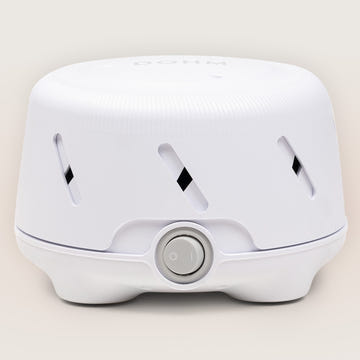
Dohm Uno
$36.99
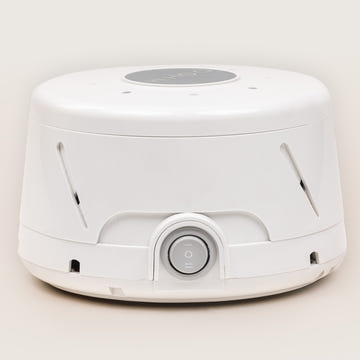
Dohm Classic
$49.99

Healthy Horizons Miracle Blanket one-size swaddle 10...
$32.95

Twin Montessori-Inspired Floor Bed with Guardrails
$199.99

WildBird Dove CloudBlend Sleep Sack TOG 1 Blue grey
$44.00

Hubble Connected Hubble Dream+ Comfort Cloud Sleep S...
$124.99

Shnuggle Air Lite Bedside Bassinet | Infant Crib | H...
$295.00