


Feeding a toddler can feel like a juggling act—balancing nutrition, preferences, and mealtime moods. But those small bites build the foundation for lifelong healthy eating. With patience and structure, you can help your toddler enjoy a variety of foods and develop a positive relationship with mealtimes.
Dr. Amina Rhodes, Pediatric Nutritionist: “What toddlers eat matters—but how we feed them shapes their attitude toward food for years to come.”
Toddler Nutritional Needs (Ages 1–3)
✔️ Calories: Around 1,000–1,400 per day depending on activity level
✔️ Macronutrients: Balanced mix of carbohydrates, healthy fats, and protein
✔️ Iron, calcium, and vitamin D are especially important for growth and bone health

What a Balanced Toddler Plate Looks Like
-
Fruits & Veggies: Aim for color and variety—fresh, frozen, or lightly cooked
Free US shipping over $100Real essentials, picked by real moms
Take 25% off at checkout, applied automatically when you shop through this link.
Shop with READER25 →Free US shipping over $100. Code applies automatically at checkout.
-
Whole Grains: Oats, whole wheat bread, quinoa, brown rice
-
Protein: Eggs, beans, poultry, fish, tofu, or nut butters
-
Healthy Fats: Avocado, olive oil, nut butters, full-fat dairy
💡 Serve small portions on toddler-sized plates. Offer seconds if they’re still hungry.
Picks From This Story
Picks related to this guide, ready to ship from Moogco.
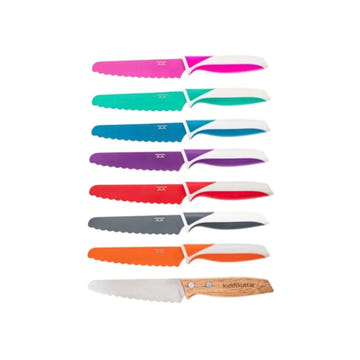
KiddiKutter Training Knife for Children 3+ (More col...
$18.99
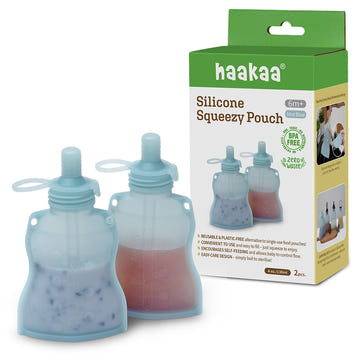
Haakaa Silicone Yummy Pouch 4.5 oz
$13.56
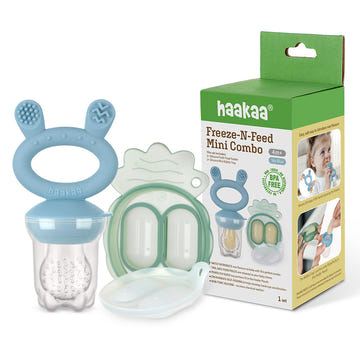
Haakaa Freeze-N-Feed Mini Combo Fresh Food Feeder Set
$19.90
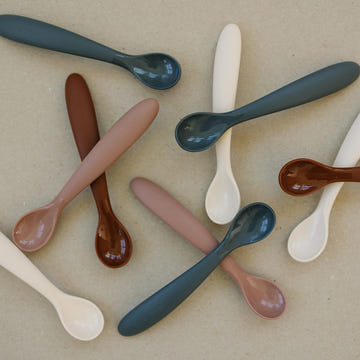
Mebie Baby Silicone Spoon Sets BPA Free Soft Dishwas...
$5.00
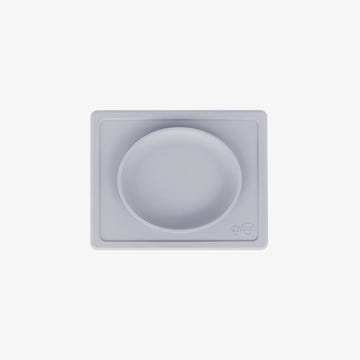
ezpz Tiny Plate open plate for self-feeding and uten...
$18.99
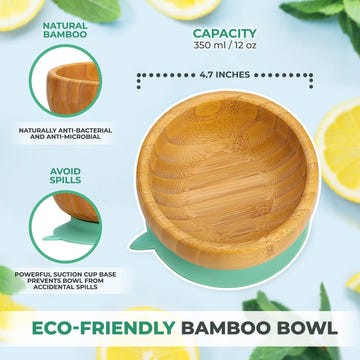
The Teething Egg Bamboo Bowl with Suction Base Natur...
$17.95
Creating a Positive Mealtime Routine
✔️ Eat together when possible—toddlers learn by watching you
✔️ Avoid distractions like screens during meals
✔️ Use consistent meal and snack times to regulate appetite
Dr. Elena Chu, Pediatrician: “Toddlers thrive on structure. Predictable mealtimes support digestion, mood, and better sleep.”
Dealing with Picky Eating
✔️ Keep offering new foods—even if they’re rejected at first
✔️ Avoid pressure or bribes to clean the plate
✔️ Pair familiar favorites with one new food at a time
✔️ Make food fun: use shape cutters or build colorful plates
Smart Snacking Tips
✔️ Offer whole foods like fruit slices, cheese, yogurt, or nut butter on toast
✔️ Limit ultra-processed snacks with added sugar or salt
✔️ Keep snacks small and balanced—think of them as mini meals
More Related Picks
A few more favorites from the same collection.
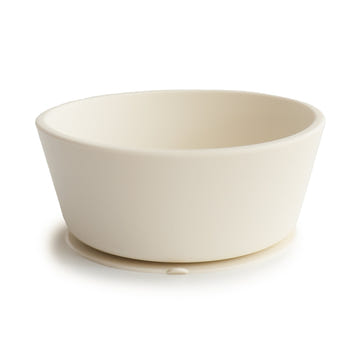
Mushie Silicone Suction Bowl for Babies Learning to ...
$14.99
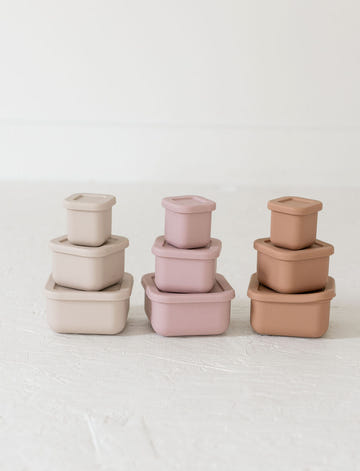
ShopMyLittleSongbird Silicone Bento Box Set of 3 wit...
$15.99
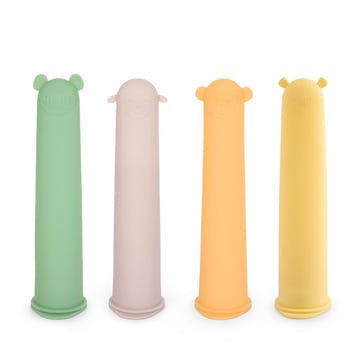
Haakaa Silicone Ice Pop Mold 1 pk 3.5 oz
$9.45
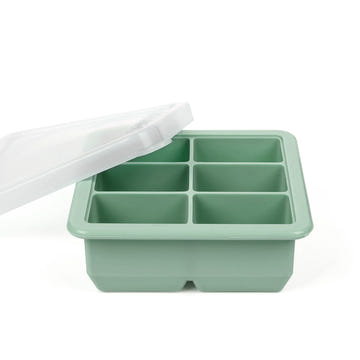
Haakaa Baby Freezer Tray Silicone 4 6 9 Compartment ...
$17.43
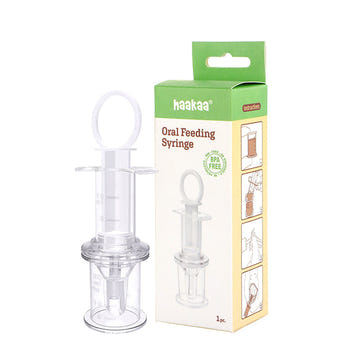
Haakaa Oral Feeding Syringe 10ml 1 pk soft silicone ...
$8.99

Mushie Silicone Feeding Spoons Soft Flexible Tip Lig...
$12.99
Hydration Guidelines
✔️ Water is the best drink—offer it often throughout the day
✔️ Limit milk to 16–24 oz per day
✔️ Avoid sugary drinks like juice or soda
The Role of Moogco Silver Nursing Cups
If you're still breastfeeding during toddlerhood, you may be navigating weaning or comfort feeds. Moogco Silver Nursing Cups help soothe and protect nipples naturally, supporting your journey with comfort.
📌 Try them here: Moogco Silver Nursing Cups on Amazon
Final Thoughts: Focus on Progress, Not Perfection
Nutrition is a journey, not a battle. Your calm consistency, creative offerings, and encouragement can turn picky days into progress over time.
🛒 Explore toddler mealtime tools and support products at Moogco Baby.
Bring this guide home with 25% off.
Use code READER25 for 25% off →
Frequently Asked Questions
How many times a day should my toddler eat?
Most toddlers do well with three meals and two to three small snacks per day. This regular rhythm helps maintain steady energy and prevents extreme hunger that can lead to meltdowns. Keep meal and snack times fairly consistent to help regulate appetite and mood.
Is it normal for my toddler to refuse vegetables?
Yes, vegetable refusal is incredibly common in toddlerhood. Keep offering a variety of veggies without pressure, and remember it can take 10 to 15 exposures before a child accepts a new food. Try different preparations like roasted, raw with dip, or blended into smoothies to find what works.
Should I give my toddler vitamins or supplements?
Many toddlers get adequate nutrition from food alone, but some may benefit from vitamin D or iron supplementation depending on diet and sun exposure. Talk to your pediatrician about your child's specific needs before starting any supplements. A varied, balanced diet is always the best foundation.
What should I do if my toddler only wants one food?
Food jags, where toddlers fixate on one food for days or weeks, are developmentally normal. Continue offering other foods alongside the preferred item without forcing. Most jags pass naturally, and variety will return as your toddler grows and tastes evolve.
How much milk should my toddler drink each day?
Toddlers aged 1 to 3 should have 16 to 24 ounces of whole or reduced-fat milk daily. Too much milk can displace solid foods and lead to iron deficiency. If your child drinks more, gradually reduce portions and offer water between meals instead.
Can I still breastfeed my toddler at mealtimes?
Absolutely. Many families continue breastfeeding into toddlerhood for comfort and nutrition. To ensure solid food intake, try nursing after meals rather than before, so your toddler arrives at the table hungry. This balance supports both continued breastfeeding and healthy eating habits.
What are some easy high-iron foods for toddlers?
Great high-iron options include fortified cereals, beans, lentils, eggs, lean meats, and dark leafy greens like spinach. Pair iron-rich foods with vitamin C sources like orange slices or bell peppers to boost absorption. Iron supports brain development and energy during these crucial growth years.
How do I handle mealtime tantrums?
Stay calm and set gentle boundaries. Offer the meal without negotiating, and if your toddler refuses or melts down, calmly end the meal and wait until the next scheduled snack or mealtime. Avoid turning food into a power struggle, and trust that hunger will guide your child back to the table.
From Moogco Studio
Printable and personalized nursery essentials. Designed by moms for moms.


About the Editor
Eda Ulger is a co-founder of Moogco Baby, the editor of the Moogco Baby Journal, and a mom of two. She curates and edits our guides so every piece is honest, practical, and genuinely helpful for the early days of motherhood.
Shop This Story
Picks related to this guide, ready to ship from Moogco.
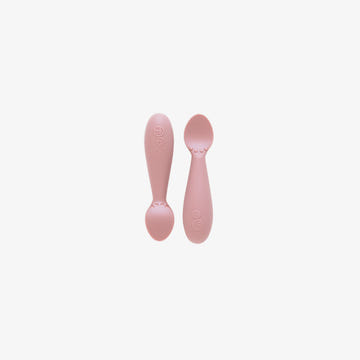
ezpz Baby-Led Tiny Spoons infant self-feeding spoons
$15.99

Set of 3 Utensils
$20.95
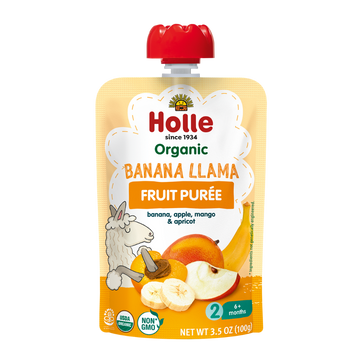
Holle Organic Banana Llama Fruit Purée Pouch Banana ...
$39.99
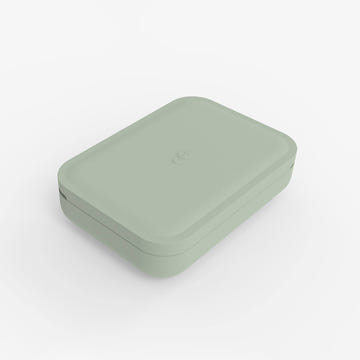
ezpz Baby-Led Weaning Travel Box all-in-one feeding ...
$19.99
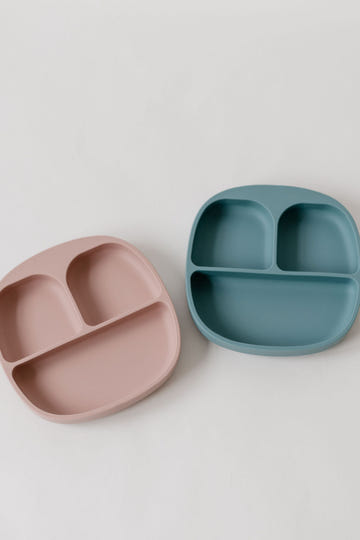
ShopMyLittleSongbird Silicone Plates with Suction 7 ...
$15.99
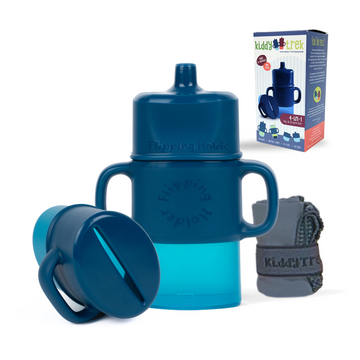
Flipping Holder KiddyTrek 4-in-1 Sip & Snack Set travel
$20.00
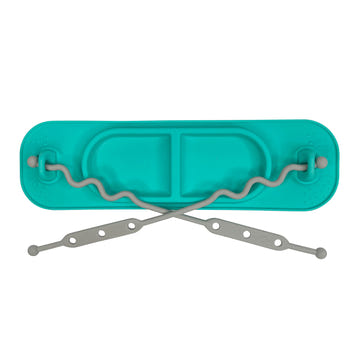
Busy Baby Mini Mat with Toy Straps compact placemat ...
$20.00
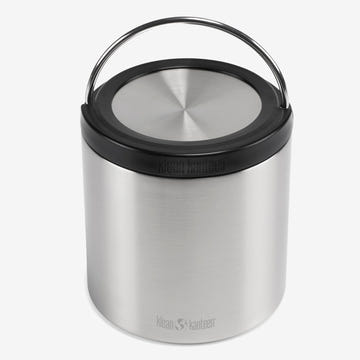
Klean Kanteen 32oz TKCanister Insulated Food Caniste...
$41.95
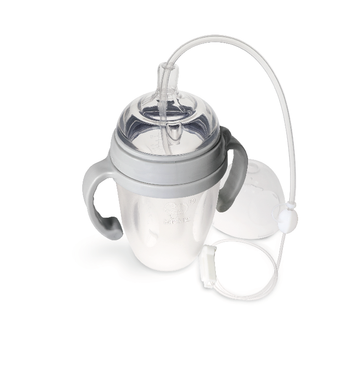
Haakaa Supplemental Feeding Combo 250ml Bottle with ...
$32.99
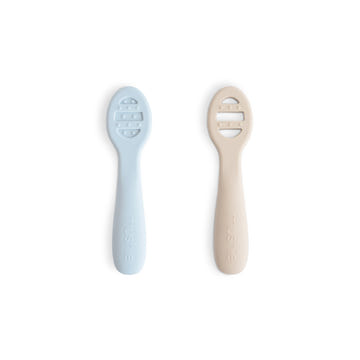
Mushie First Feeding Baby Spoons Stage 1 Solid Stage...
$14.99