


As your baby grows, you may find yourself wondering when and how to reduce or stop nighttime feedings. Nighttime weaning is a natural step for many families and can help everyone get more consolidated sleep. This guide offers supportive strategies to help you and your baby transition smoothly.
Dr. Anya Patel, Pediatrician: "Nighttime weaning isn't about cutting comfort—it's about gradually helping your baby rely on sleep rather than feeding to return to rest."
When to Start Nighttime Weaning
Many babies are ready to begin night weaning between 6 to 12 months, depending on their growth, development, and feeding patterns.

Signs your baby may be ready:
✔️ Eating enough during the day
✔️ Waking out of habit, not hunger
✔️ Pediatrician confirms healthy growth
✔️ More frequent night wakings despite adequate daytime intake
Curated by moms, vetted by lactation pros
Everything for the breastfeeding journey
Take $15 off at checkout, applied automatically when you shop through this link.
Shop with MAMA15 →Free US shipping over $100. Code applies automatically at checkout.
Picks From This Story
Picks related to this guide, ready to ship from Moogco.

Swaddelini Grey Swaddle Sleep Sack 3D Knit Seamless ...
$54.95

Swaddelini Lavender Swaddle Sleep Sack 3D knit light...
$54.95

Swaddelini Pink Swaddle Sleep Sack 3D Knit Seamless
$54.95

Swaddelini Blue Swaddle Sleep Sack 3D Knit Seamless
$54.95

Dreamland Baby Dream Weighted Sleep Sack 1.0 TOG 68-...
$109.00

Swaddelini Orange Swaddle Sleep Sack 3D Knit Seamless
$54.95
Gentle Night Weaning Methods
1. Gradual Reduction
✔️ Slowly decrease the amount of milk or formula offered during night feeds
✔️ For breastfeeding, shorten nursing sessions over time
2. Dream Feed Shift
✔️ Offer a final feed just before you go to bed
✔️ Helps stretch your baby's longest sleep block
3. Spacing Intervals
✔️ Increase time between night feeds by delaying each feeding gradually
✔️ Use soothing techniques instead of feeding right away (e.g., rocking, patting, singing)
💡 Tip: Keep a feeding and sleep log to track patterns and progress.
Handling Protests and Wake-Ups
✔️ Be consistent with your response—babies thrive on predictability
✔️ Offer comfort without feeding, like rubbing their back or offering a pacifier
✔️ Stay calm and reassuring—even when it’s tough
Dr. Leah Torres, Family Physician: “Consistency is more comforting to babies than constant change. Gentle weaning builds trust.”
More Related Picks
A few more favorites from the same collection.

8 Sheep Organics Juniors Bedtime Lotion deep sea mag...
$23.00

Sell My Stuff Elephant Plush Baby Sleep Pillow 30 35...
$40.00

Xander Bunny — Lavender Stuffed Bunny | Weighted Cal...
$45.00

Dreamland Baby Dream Weighted Transition Swaddle arm...
$109.00

Burt's Bees Baby Beekeeper Wearable Blanket
$24.95

Little Martin's Drawer 100% Organic Cotton Sleep Sac...
$38.00
Adjusting Daytime Feeding and Sleep
✔️ Ensure your baby gets enough calories during the day
✔️ Offer more solid foods if age-appropriate
✔️ Maintain good nap routines to avoid overtiredness, which can worsen night waking
The Role of Moogco Silver Nursing Cups
Night weaning often comes with more daytime nursing. If you're breastfeeding, Moogco Silver Nursing Cups help soothe and protect sore nipples with antibacterial support.
📌 Try them here: Moogco Silver Nursing Cups on Amazon
Final Thoughts: Progress, Not Perfection
Nighttime weaning doesn’t happen overnight. Be patient with yourself and your baby. With compassion, consistency, and a gentle plan, better nights are within reach.
🛒 Discover weaning-friendly products and sleep support at Moogco Baby.
Bring this guide home with $15 off.
Use code MAMA15 for $15 off →
Featured pick from Moogco
MOOGCO Silver Nursing Cups 999k Silver - BPA-Free for Babies & Toddlers
$46.90 $52.90
Shop this pick → Frequently Asked Questions
Can I start nighttime weaning if my baby is teething?
It's usually best to wait until after a teething episode passes to begin night weaning. Teething discomfort can cause genuine wake-ups that need comfort and pain relief, not behavioral change. Once your baby feels better, you can resume your gentle weaning plan with better success and less frustration for everyone.
Will nighttime weaning affect my milk supply if I'm still breastfeeding during the day?
Your body will naturally adjust milk production to match the new feeding schedule over a week or two. As long as you continue nursing regularly during the day and respond to fullness if needed at night, your supply will adapt. Many moms find their breasts feel fuller in the morning initially, then balance out as the new routine settles.
What if my partner wants to night wean but I'm not ready?
Both parents need to feel ready and aligned before starting night weaning, as consistency is key to success. Take time to discuss your concerns, timeline, and comfort level together. There's no rush, and waiting until you're both on the same page will make the process smoother and less stressful for your whole family.
How long does gentle nighttime weaning usually take?
Most families see meaningful progress within one to three weeks, though every baby is different. Gradual methods take longer than abrupt changes but tend to be easier emotionally for both parent and baby. Keep track of small wins like longer sleep stretches or easier settling, even if full night weaning takes a bit more time.
Should I stop nighttime feeds completely or just reduce them first?
Gradual reduction is almost always gentler and more sustainable than stopping cold turkey. Start by shortening feeds or spacing them further apart, then eliminate one at a time. This approach gives your baby time to adjust, helps prevent engorgement if you're breastfeeding, and reduces protest crying compared to abrupt weaning.
What if my baby is genuinely hungry at night and not just waking from habit?
If your baby is under six months, growing rapidly, or not eating well during the day, nighttime hunger may be real. Work with your pediatrician to ensure daytime intake is adequate and assess whether your baby is ready developmentally. You can also try offering a dream feed before bed to tank them up without fully waking them.
Can I night wean and still room share with my baby?
Absolutely, and room sharing is actually recommended for safe sleep through at least six months. Some babies resettle more easily when they sense a parent nearby. If your presence seems to increase wake-ups, consider moving your baby's crib or bassinet slightly farther from your bed, or have your partner handle some soothing sessions.
Is it normal for my baby to wake more often when I first start night weaning?
Yes, an initial increase in wake-ups or protest is very common and doesn't mean the plan isn't working. Your baby is adjusting to a new routine and may test boundaries before accepting the change. Stay consistent with your comforting approach, and most babies settle into the new pattern within several nights to a week.
From Moogco Studio
Printable and personalized nursery essentials. Designed by moms for moms.


About the Editor
Eda Ulger is a co-founder of Moogco Baby, the editor of the Moogco Baby Journal, and a mom of two. She curates and edits our guides so every piece is honest, practical, and genuinely helpful for the early days of motherhood.
Shop This Story
Picks related to this guide, ready to ship from Moogco.

Dohm Classic
$49.99

Full-Size Montessori Floor Bed Strong Slatted Frame
$259.99

Canopy Nursery Humidifier 2.0 mold-inhibiting dishwa...
$159.00

100% Organic Cotton 1.0 Tog Sleeping Bag with Legs S...
$30.00
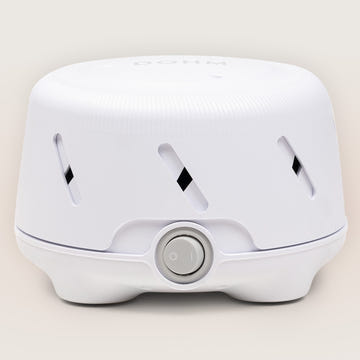
Dohm Uno
$36.99

Rocking Stand for Standard Baby Moses Basket
$184.00

Healthy Horizons Miracle Blanket one-size swaddle 10...
$32.95

Dreamland Baby Weighted Toddler Blanket 36x48 4 lb M...
$109.00

Twin Montessori-Inspired Floor Bed with Guardrails
$229.99

WildBird Dove CloudBlend Sleep Sack TOG 1 Blue grey
$44.00