



Toddlers thrive on consistency. A predictable routine helps them feel secure, reduces meltdowns, and creates space for learning and connection. With thoughtful structure, your days can flow more smoothly for both you and your little one.
Dr. Isabel Chen, Pediatric Psychologist: “Routines give toddlers a sense of control in a big, unpredictable world. They don’t limit creativity—they create a foundation for it.”
Why Routines Matter for Toddlers
✔️ Builds trust and emotional security
✔️ Reduces anxiety and tantrums
✔️ Encourages healthy habits like regular sleep and meals
✔️ Helps toddlers transition between activities more easily

Picks From This Story
Picks related to this guide, ready to ship from Moogco.

Swaddelini Grey Swaddle Sleep Sack 3D Knit Seamless ...
$54.95

Swaddelini Lavender Swaddle Sleep Sack 3D knit light...
$54.95

Swaddelini Pink Swaddle Sleep Sack 3D Knit Seamless
$54.95

Swaddelini Blue Swaddle Sleep Sack 3D Knit Seamless
$54.95

Swaddelini Orange Swaddle Sleep Sack 3D Knit Seamless
$54.95

Dreamland Baby Dream Weighted Sleep Sack 1.0 TOG 68-...
$109.00
Core Parts of a Toddler Daily Routine
1. Morning Routine
✔️ Wake up at the same time daily
✔️ Brush teeth, get dressed, and have breakfast together
✔️ Add a simple “good morning” ritual like opening curtains or singing a song
Free US shipping over $100
Real essentials, picked by real moms
Take 20% off at checkout, applied automatically when you shop through this link.
Shop with BABY20 →Free US shipping over $100. Code applies automatically at checkout.
2. Activity Blocks
✔️ Alternate between active play (outdoor time, dancing) and quiet play (books, puzzles)
✔️ Include time for creative activities like coloring or building
3. Mealtime and Snacks
✔️ Serve meals at consistent times
✔️ Offer healthy snacks mid-morning and mid-afternoon to prevent hunger-related meltdowns
4. Nap and Rest Time
✔️ Create a calm pre-nap routine with a story or lullaby
✔️ Even if they resist napping, quiet time helps them recharge
5. Evening Routine
✔️ Dinner, bath, and screen-free wind-down
✔️ End the day with a bedtime story and cuddle before lights out
Tips for Making Routines Work
✔️ Use visual charts or simple drawings toddlers can recognize
✔️ Offer limited choices to give a sense of control (“Do you want the red pajamas or blue ones?”)
✔️ Stay flexible—life happens, and routines should adapt
Dr. Marcus Flores, Child Development Specialist: “A routine isn’t about strict schedules—it’s about creating rhythm and predictability for a toddler’s day.”
More Related Picks
A few more favorites from the same collection.

8 Sheep Organics Juniors Bedtime Lotion deep sea mag...
$23.00

Sell My Stuff Elephant Plush Baby Sleep Pillow 30 35...
$40.00

Xander Bunny — Lavender Stuffed Bunny | Weighted Cal...
$45.00
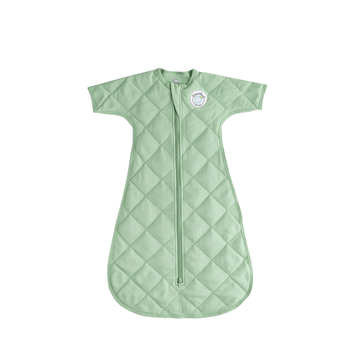
Dreamland Baby Dream Weighted Transition Swaddle arm...
$109.00

Little Martin's Drawer 100% Organic Cotton Sleep Sac...
$38.00

Full-Size Montessori Floor Bed Strong Slatted Frame
$259.99
When to Adjust the Routine
✔️ Growth spurts, nap transitions, or starting daycare may require tweaks
✔️ Watch for signs of overtiredness or boredom and shift as needed
The Role of Moogco Silver Nursing Cups
If breastfeeding is part of your daily routine, it’s important to take care of yourself too. Moogco Silver Nursing Cups provide natural antibacterial relief to keep you comfortable while supporting your toddler’s needs.
📌 Try them here: Moogco Silver Nursing Cups on Amazon
Final Thoughts: Little Rhythms, Big Benefits
A well-designed routine isn’t rigid—it’s a flexible guide that empowers your toddler to navigate their day with confidence and ease. With patience and consistency, you’re building habits that support growth and harmony.
🛒 Explore parenting tools and toddler essentials at Moogco Baby.
Bring this guide home with 20% off.
Use code BABY20 for 20% off →
Featured pick from Moogco
MOOGCO Silver Nursing Cups 925k Silver - Protect Against Sore Breasts And Nipple Irritation
$45.90 $49.90
Shop this pick → Frequently Asked Questions
What age should I start a daily routine with my toddler?
You can start establishing gentle routines as early as infancy, but toddlers between 12 and 18 months really begin to benefit from predictable schedules. At this age, they start understanding patterns and anticipating what comes next. Even simple routines like consistent meal and bedtime help build security and reduce resistance.
How long does it take for a toddler to adjust to a new routine?
Most toddlers need about one to two weeks to fully adjust to a new routine, though some may adapt faster. Consistency is key during this transition period. You may see some pushback at first, but stick with it and offer lots of positive reinforcement when they follow the routine successfully.
What if my toddler refuses to follow the routine?
Resistance is completely normal and doesn't mean the routine isn't working. Offer choices within the structure, use visual cues like picture charts, and keep transitions playful with songs or countdowns. Sometimes adjusting timing by 15 to 30 minutes can make all the difference in cooperation.
Should weekends follow the same routine as weekdays?
Keeping core elements consistent, especially wake time, meals, and bedtime, helps maintain your toddler's internal clock and prevents Monday meltdowns. That said, weekends can be more relaxed with special activities or outings. Aim for a balance between structure and flexibility to keep everyone happy.
How do I create a visual routine chart my toddler will understand?
Use simple pictures or photos showing each part of the day: waking up, breakfast, play, nap, bath, and bedtime. Laminate the chart and place it at your toddler's eye level. Let them help move a marker or sticker to show what's happening now, which gives them a sense of control and helps them anticipate what's next.
What should I do if daycare has a different routine than home?
Toddlers are surprisingly adaptable and can learn that different places have different expectations. Focus on keeping morning and bedtime routines consistent at home, as these bookend the day. Communicate with your daycare provider about nap and meal times so you can align as much as possible on weekends.
How much flexibility should I build into a toddler routine?
Aim for structure with breathing room. Keep anchor points like wake time, meals, nap, and bedtime fairly consistent, but allow 30 to 60 minutes of flexibility for spontaneous play or outings. Rigidity can backfire, life happens, and teaching toddlers to adapt within a framework builds resilience.
Can routines help with toddler sleep regression?
Absolutely. A consistent bedtime routine signals to your toddler's brain that sleep is coming, which can ease transitions during regressions caused by developmental leaps or changes. Stick to calming activities like a warm bath, story time, and dimmed lights to reinforce sleep cues even when everything feels unpredictable.
From Moogco Studio
Printable and personalized nursery essentials. Designed by moms for moms.


About the Editor
Eda Ulger is the editor at Moogco Baby and a mom of two. She curates and edits our guides so every piece is honest, practical, and genuinely helpful for the early days of motherhood.
Shop This Story
Picks related to this guide, ready to ship from Moogco.
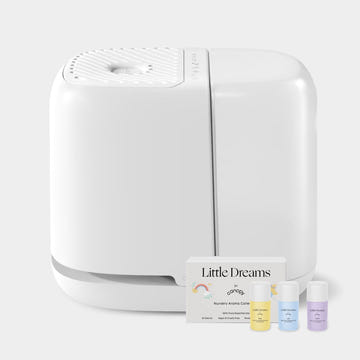
Canopy Nursery Humidifier 2.0 mold-inhibiting dishwa...
$159.00

Burt's Bees Baby Beekeeper Wearable Blanket
$24.95

100% Organic Cotton 1.0 Tog Sleeping Bag with Legs S...
$30.00
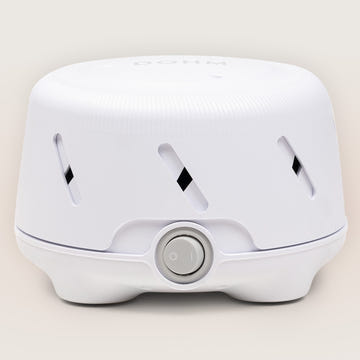
Dohm Uno
$36.99

Dohm Classic
$49.99

Healthy Horizons Miracle Blanket one-size swaddle 10...
$32.95

Twin Montessori-Inspired Floor Bed with Guardrails
$199.99

WildBird Dove CloudBlend Sleep Sack TOG 1 Blue grey
$44.00

Hubble Connected Hubble Dream+ Comfort Cloud Sleep S...
$124.99

Shnuggle Air Lite Bedside Bassinet | Infant Crib | H...
$295.00